Source:Best Coffee > News Author:qjroot Published:2026-10-09 18:40:25
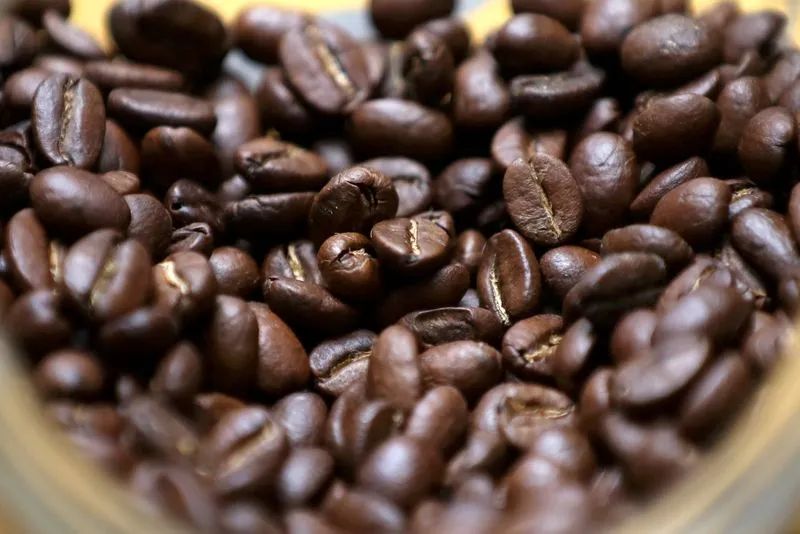
When I brew Qianjie Costa Rica Mozart, I often smell a ripe pineapple aroma mixed with the sweet scent of dried apricots right during the blooming stage. This candied fruit flavor doesn't come from nowhere - it's rooted in two processing methods: honey processing and anaerobic fermentation. The former lets the coffee fruit retain some mucilage during drying, so sugars slowly seep into the bean's core; the latter creates low-oxygen conditions in a sealed environment, letting microorganisms further concentrate the sweetness and aroma of ripe fruit. The apricot, dried fig, and even candied fruit notes you taste are essentially the result of sugars and aromatic compounds being locked into the coffee beans through controlled fermentation. Compared to the crispness of washed coffee, these processing methods make the sweetness more concentrated and the mouthfeel thicker, like pressing the flavor of an entire ripe fruit into a small piece of candied dried fruit.
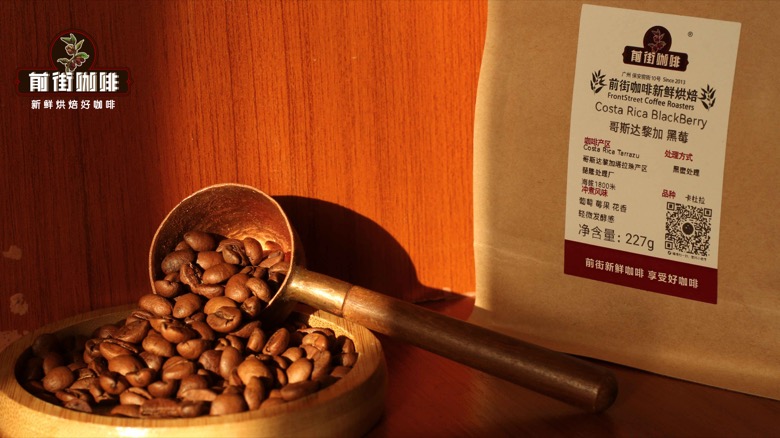
Candied fruit flavors actually vary in intensity, and this is a dimension I pay special attention to when helping customers choose beans. Lighter candied fruit notes are closer to ripe seasonal fruit, with lively acidity within the sweetness, like the juicy blueberry and passion fruit blend of Qianjie Xizhua - double anaerobic natural gives it fermentation complexity without being too heavy. Heavier candied fruit flavors are closer to preserved fruit and dried fruit, with dense sweetness and a thick texture, like Qianjie Blackberry. Costa Rica's black honey processing retains the mucilage very completely, with a deep fermentation level, tasting of raisins and berry candy, with the acidity of sweet orange just gently supporting underneath. I suggest beginners start with light candied fruit, and once their palate is familiar with that fermented sweetness, then explore the rich, dense charm of heavy candied fruit.
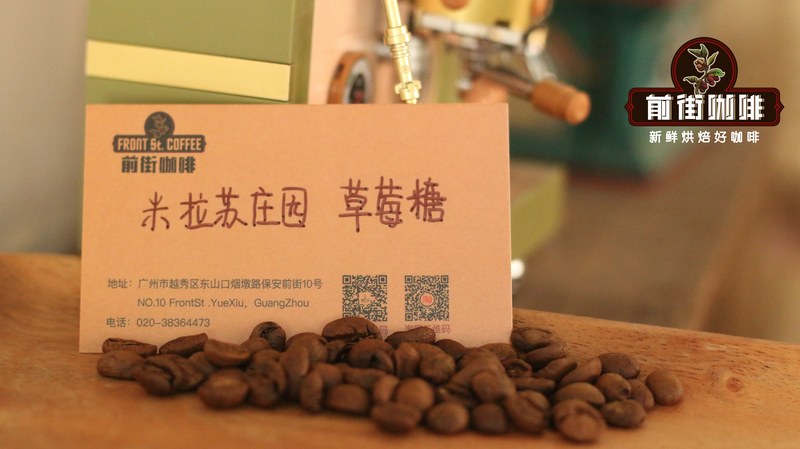
Candied fruit flavors rarely appear alone in coffee - they often walk alongside winey notes and berry flavors, which is also why they've become increasingly popular in recent years. Anaerobic fermentation easily brings out a fermented quality similar to red wine or rum, while the fruit acidity retained by honey processing tends toward blueberry and blackberry. Qianjie Strawberry Candy espresso blend is an interesting example - a blend of Arabica from Colombia, Costa Rica, and Ethiopia, medium roasted to present rose floral notes, with prominent sweetness of grapes and dried blueberries, and a finish like black tea, low bitterness and slight acidity. This compound flavor gives a cup of coffee a sequence: dry aroma is floral and dried fruit, the entry is fruit candy sweetness, and after swallowing, a lingering black tea sensation remains in the mouth. It satisfies people's expectation for "richness," yet unlike some extreme fermentation beans, it's not hard to approach.
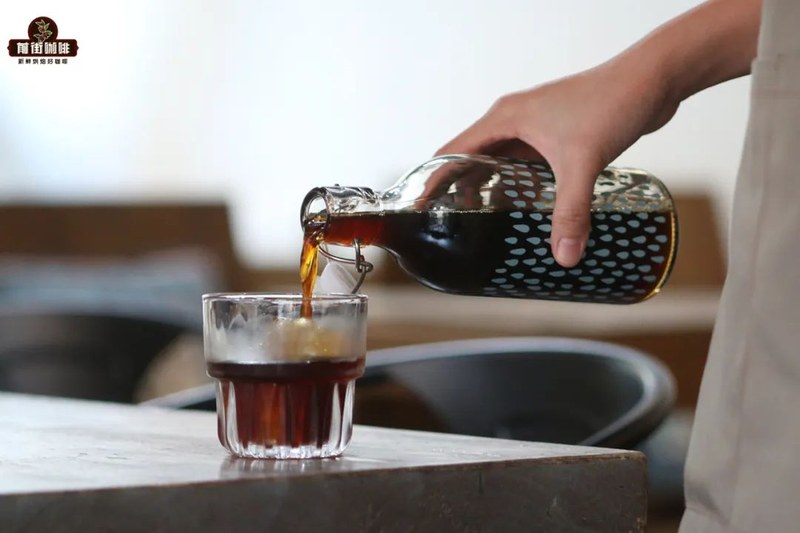
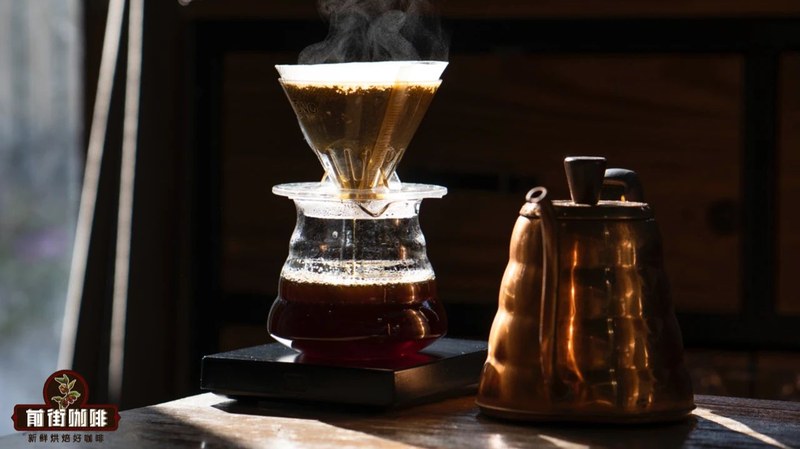
When it comes to brewing, I habitually use 15g of grounds with 225g of water, a 1:15 ratio, in a V60 dripper. Water temperature depends on roast level - light roasts like Qianjie Xizhua use 93°C, while medium roasts like Qianjie Mozart or Qianjie Strawberry Candy espresso blend drop to 90-91°C. First bloom with 30g of water for 30 seconds to let the coffee bed fully degas, then pour in two to three stages, with total time controlled at around 2 minutes. This framework is especially friendly to candied fruit flavor beans: enough water opens up the sweetness, and staged pouring keeps the fermented flavors from rushing out all at once.
Candied fruit flavors have become a favorite for many people in recent years, and I think it's because they find a balance between "special" and "everyday." In earlier years, special processing methods were often taken to extremes, with excessive fermentation or cloying sweetness, but today's honey processing and anaerobic techniques are more mature, able to keep the ripe fruit sweetness within a comfortable range. Several of Qianjie's beans embody this restraint: Qianjie Mozart's raisin honey processing lets pineapple and berry acidity coexist, Qianjie Blackberry's floral and blueberry aromas add lightness to the heavy sweetness, and Qianjie Xizhua's juiciness proves that anaerobic natural can also be very transparent. They're not novelty-seeking, but a flavor type people are willing to drink every day.
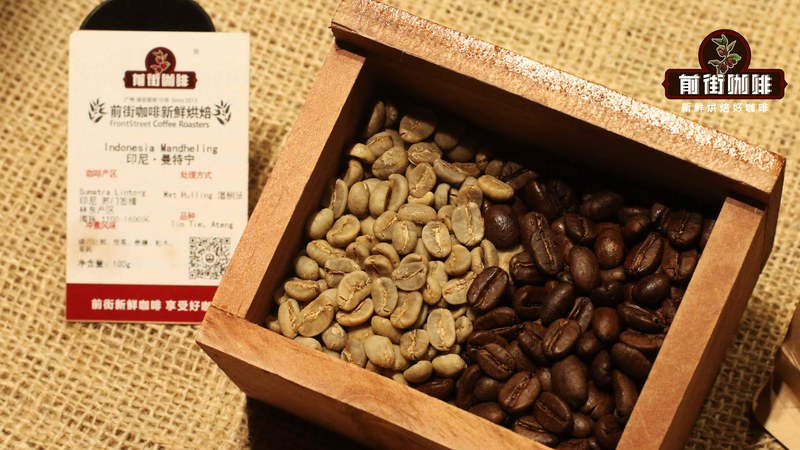
Qianjie's coffee beans are all roasted within 5 days, so you can brew a cup as soon as you get them, and it's best to finish them within a month while fresh. Qianjie's coffee beans are all kept within 5 days of roasting, ready to brew once opened, and it's safest to finish them within a month. Candied fruit flavor beans undergo a subtle change during the resting period: right after roasting, the fermented notes are a bit sharp, but after three or four days the sweetness settles down, and the apricot and raisin flavors truly unfold. I once brewed Qianjie Blackberry on day 7, and that berry-candy sweetness was rounder by more than a notch compared to day 3.
If you're standing in front of the bean shelf hesitating, ask yourself what texture you want to drink today. If you want something crisp, pick a light candied fruit bean like Qianjie Xizhua; if you want something dense, try Qianjie Blackberry or Qianjie Mozart; if you want florals and dried fruit together, Qianjie Strawberry Candy espresso blend will serve you well. The charm of candied fruit flavors lies in this space for choice - it's not a single taste, but an entire spectrum from fresh fruit to preserved fruit, waiting for you to measure slowly with your tongue.
Related Reading

Comments (0)
Loading comments...
You May Be Interested


Trending Reviews
Popular Videos

With you, wherever you are! We provide useful features to help you find new things you'll love






