Source:Best Coffee > News Author:qjroot Published:2024-11-25 11:58:06
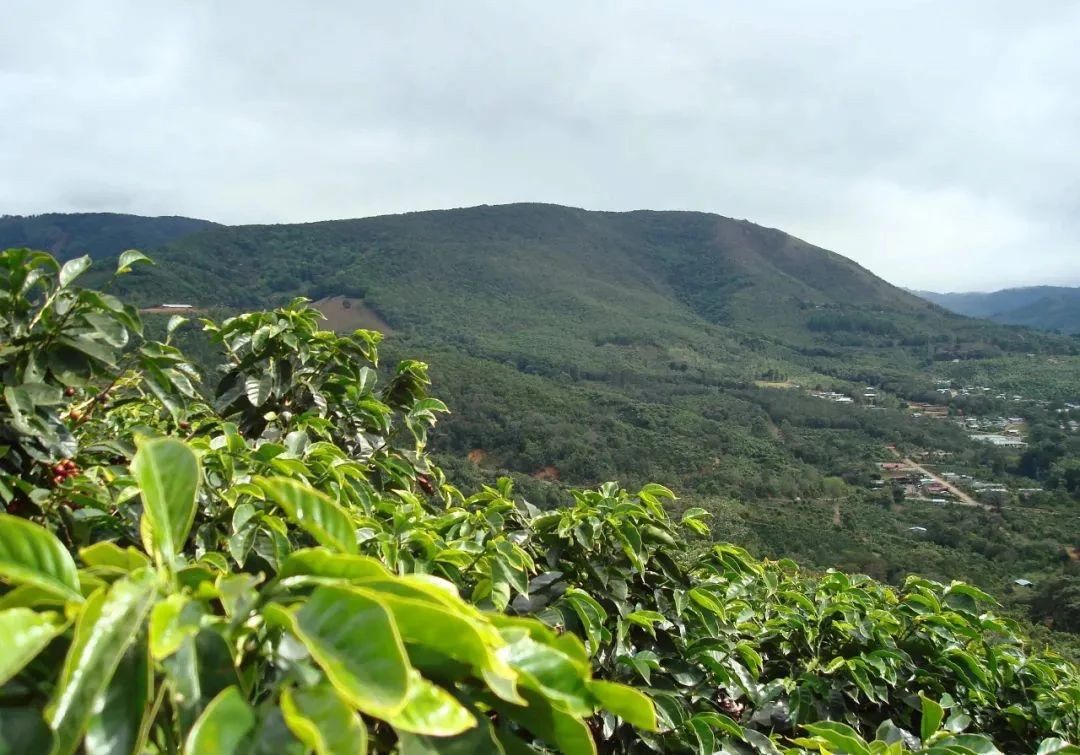
Central America is a narrow strip of land connecting South America and North America. Its terrain is mainly plateaus and mountains, and along the Pacific side stretches a volcanic belt more than 1,300 km long. The countries in this region are all small in area, and most of the land is mountainous forest. The climate is hot and humid, but thanks to the accumulation of volcanic ash, the soil is fertile, and agricultural industries such as coffee and bananas are well developed.
Therefore, several countries in Central America are famous for producing coffee, such as Honduras, Guatemala, Costa Rica and Panama. Costa Rica was the first country in Central America to introduce and cultivate coffee because of its commercial value, and the coffee produced here was once praised by the British aristocracy as "golden beans." For many years, Best Coffee has also regularly kept a variety of high-quality coffee beans from this region, such as Mozart, Strawberry Candy and Bach, all of which are popular varieties.
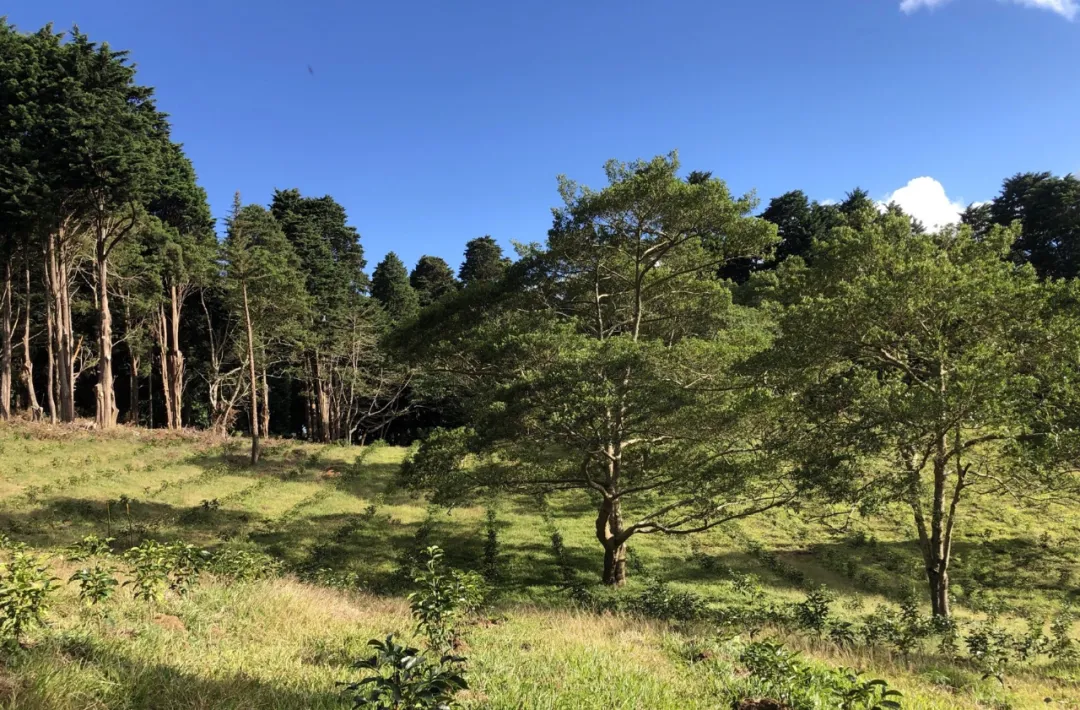
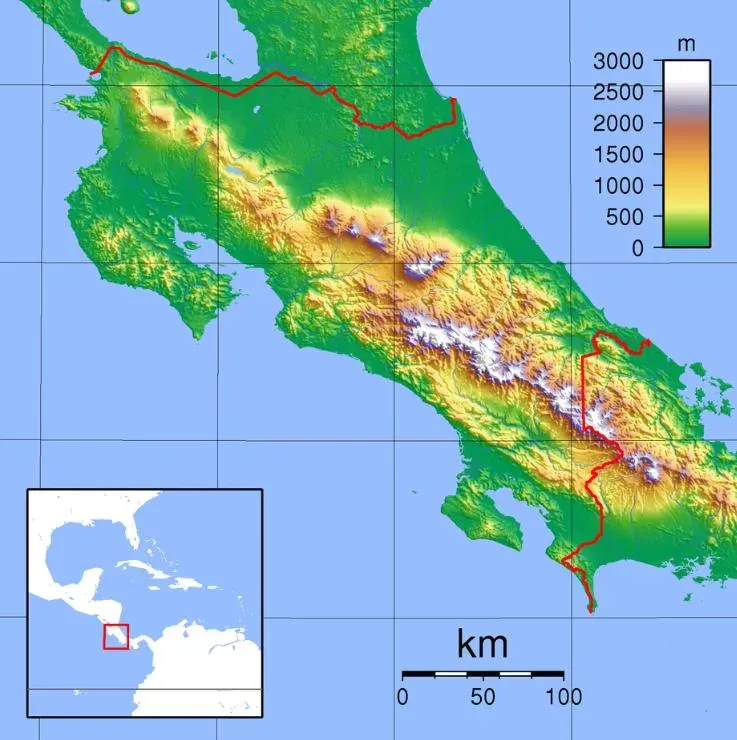
"Costa Rica" means "rich coast" in Spanish. This name describes Costa Rica's abundant natural resources and biodiversity. Its terrain is mainly composed of the Central Plateau and mountainous areas, with an average altitude of 800-2000 m in these regions.
The Cordillera mountains run through central Costa Rica, separating the eastern and western regions, and volcanoes are numerous. 30% of the country's territory is national parks or nature reserves, with abundant natural resources. Costa Rica's climate is mainly a tropical rainforest climate and a tropical savanna climate, divided into dry and rainy seasons, with year-round temperatures of 17-28°C. High-altitude mountainous areas, volcanic soil, ample sunlight and appropriate rainfall provide ideal conditions for coffee cultivation.
Best Coffee has learned that the Costa Rican government also places great importance on the development of the coffee industry. In the 19th century, after Costa Rica gained independence from Spain, the government distributed seeds to farmers free of charge and implemented tax-exemption policies, thereby attracting many people to join the ranks of coffee growers. Later, the Anglo-Costa Rican Bank was established to fund land development, farmland cultivation, the building of processing plants, and so on.
Later, the Institute for the Defence of Coffee was established, mainly to protect small coffee farmers from exploitation. In 1948, this organization became the Instituto del Cafe de Costa Rica (ICAFE), aimed at researching and developing agricultural and industrial technology by setting up experimental farms, teaching coffee farmers how to grow coffee, and promoting Costa Rican coffee globally.
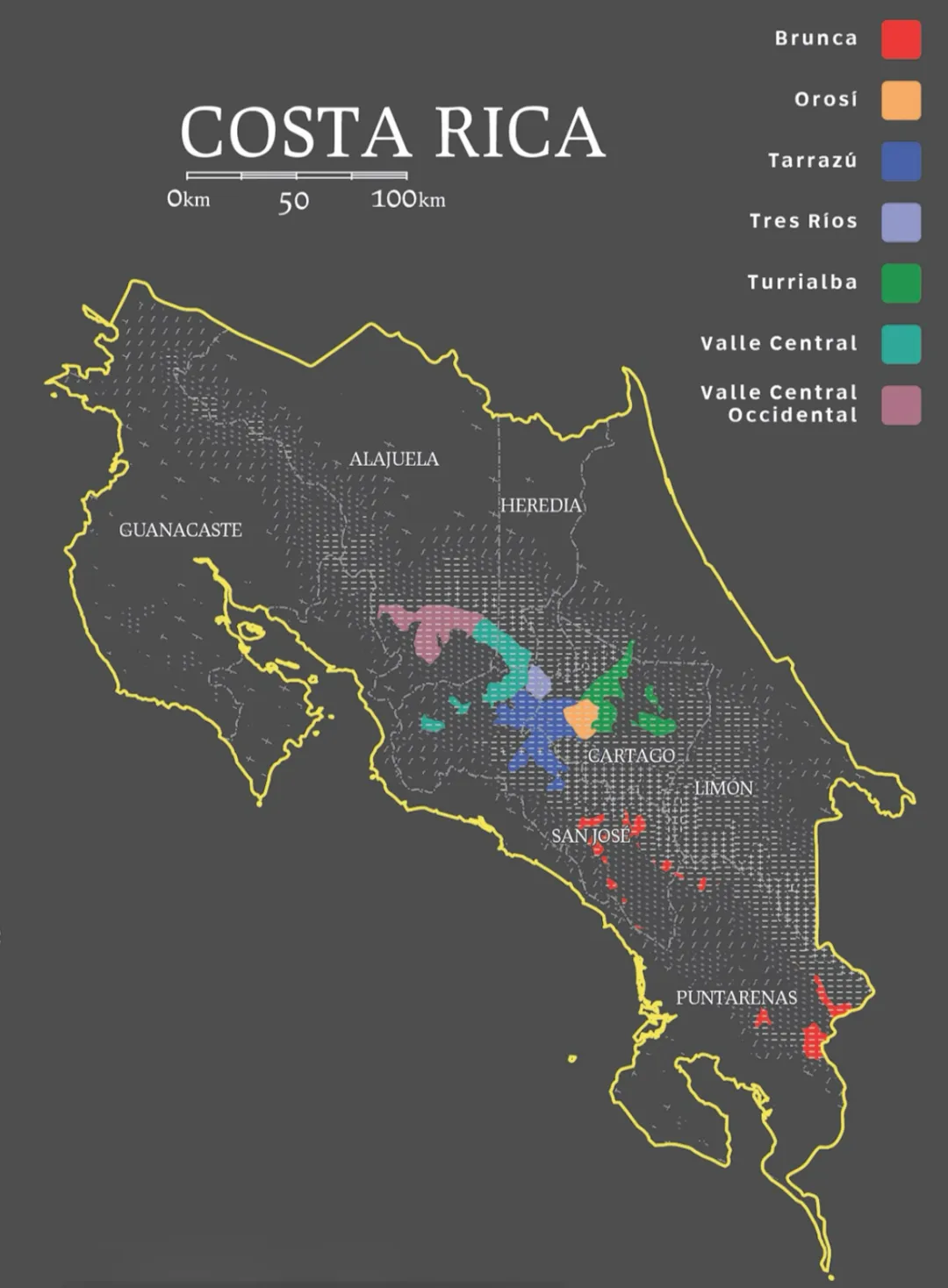
Costa Rica has a total of 7 coffee-producing regions, namely: Valle Central Occidental, Valle Central, Tarrazu, Tres Rios, Orosi, Brunca and Turrialba. These regions are almost all distributed across the central mountain range.
Tarrazu is the country's largest and best-known producing region, located in San Jose Province. In fact, the earliest producing region was named Los Santos, but because Tarrazu within this area became famous earlier, in 2019 the Costa Rican government registered the coffee designation of origin "Cafe de Tarrazu" with the EU and the World Intellectual Property Organization (WIPO), so people have become accustomed to using "Tarrazu" to categorize this broad producing region.
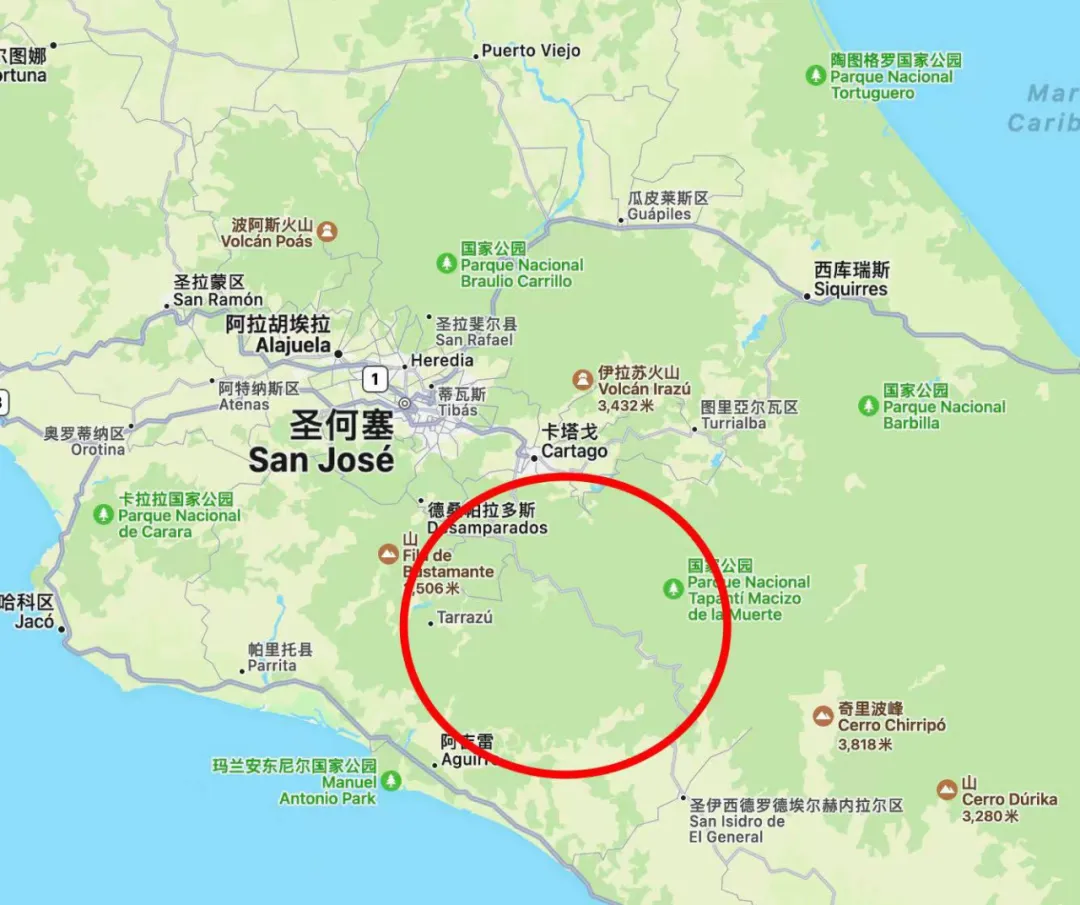
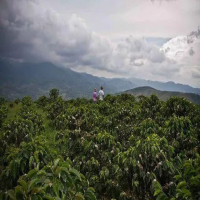
Tarrazu is located in a volcanic region, where coffee trees are usually planted on hillsides at 1200-1900 m. It has a humid climate and volcanic rock soil, abundant rainfall throughout the year, and is surrounded by multiple mountain ranges and national parks with dense forests providing natural shade, which can be said to offer an exceptionally favorable growing environment for coffee. FrontStreet Coffee has a washed Costa Rica Tarrazu coffee bean. As a representative entry-level pick for beginners, it carries a slight fruit acidity, with sweet orange, nut and honey flavors, and a smooth sweet aftertaste.
Besides Tarrazu, there is also the Central Valley. The Central Valley was the first coffee-producing region in Costa Rica's history, and the other regions were only established one after another after spreading from this region. Moreover, it is close to the capital, San Jose, and coffee exports drove the capital's economy. Many public facilities, such as hospitals, post offices and railways, were built one after another, allowing the coffee production line to develop further. At present, the Central Valley still produces 15% of the country's coffee.
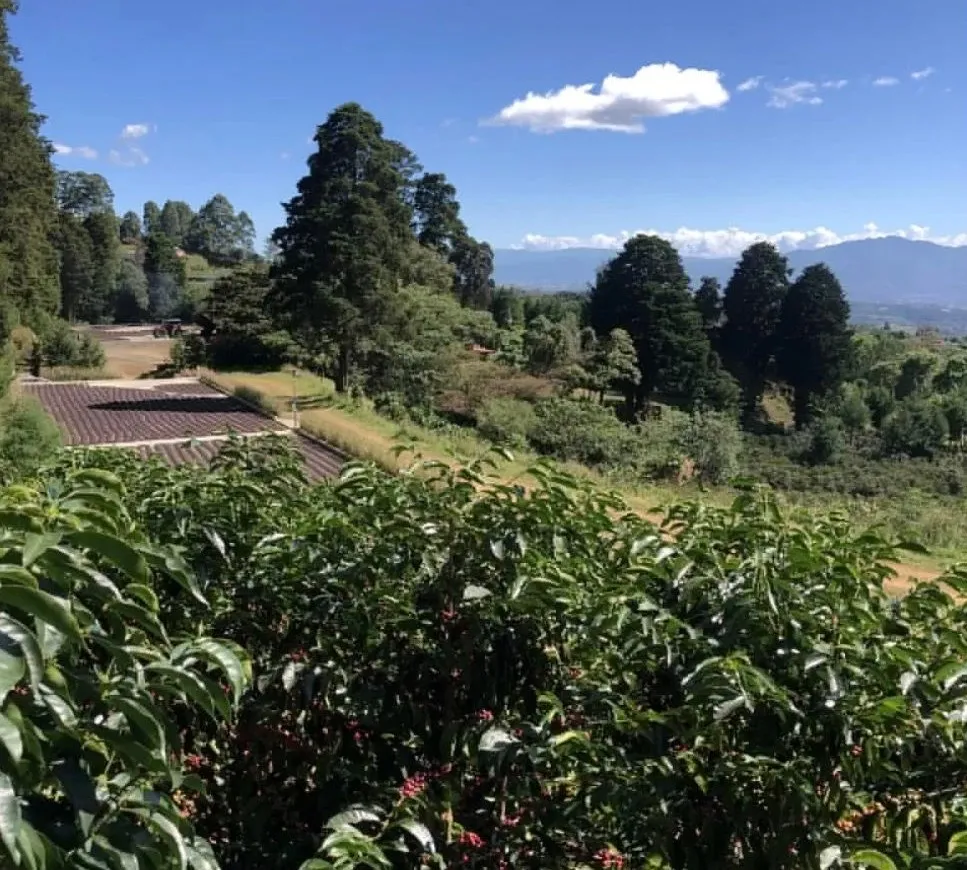
The Central Valley producing region spans the three provinces of Alajuela, San Jose and Heredia, and nearby are Costa Rica's well-known Poas Volcano and Irazu Volcano, which provide the area with very fertile, mineral-rich soil. Coffee is planted on hillsides at an altitude of 1200-1600 m, and together with a suitable climate, this makes the area very suitable for coffee tree growth.
Related Reading





Comments (0)
Loading comments...
You May Be Interested




Trending Reviews
Popular Videos

With you, wherever you are! We provide useful features to help you find new things you'll love






