Best Coffee 2013Coffee Bean Intro:
Best Coffee has been roasting coffee for about 8 years, and our involvement in coffee farming has been for 8 and a half years—yes, longer than we’ve been roasting coffee. The predecessor of Best Coffee was “Dazhen Coffee” , We named it this because we wanted to grow coffee in a place in Guangdong called Dazhen. By the time we grew seedlings from the Catimor variety and they reached 20CM in height, more than half a year had passed before we understood the relationship and order among variety, altitude, and processing method. Choosing the right variety, planting it at the appropriate altitude, and then experimenting with processing methods that can express its unique flavors after maturity—this, I believe, is the only logical connection that allows specialty coffee to exhibit distinct regional characteristics. It’s also the initiative led by the Yunnan Department of Agriculture: establishing a Yunnan specialty coffee flavor map. This means identifying the regional flavors that Yunnan specialty coffee should have.
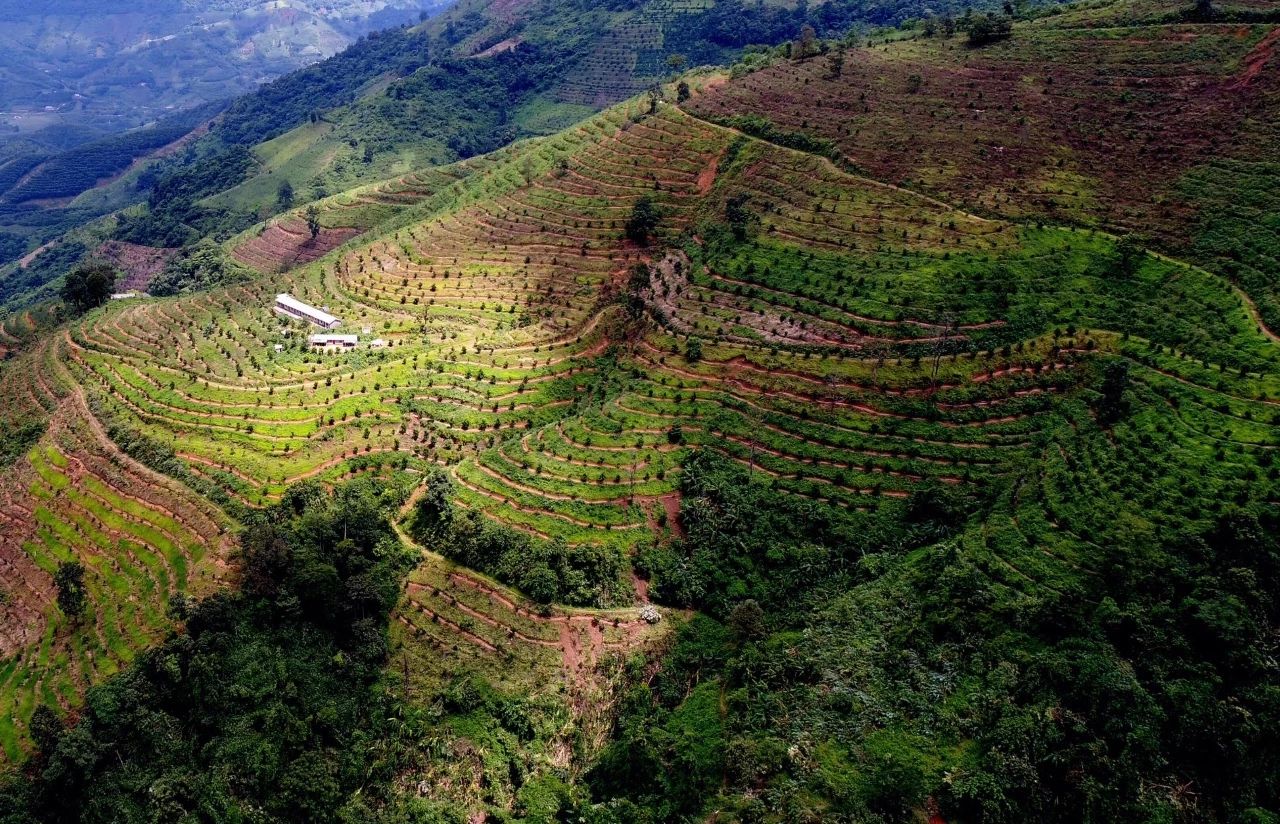
So we abandoned the plan to grow coffee in Guangdong. The first place we roasted coffee was in Bao’an Qianjie, so we renamed “Dazhen Coffee” to “Best Coffee.”
Yunnan currently has 200 million mu of coffee, most of which developed under the stimulus of coffee prices in 2010-2011. Yunnan coffee is positioned as a supply of raw coffee materials, so high-yield Catimor—a hybrid variety—was chosen. What we want to explore, however, is how Typica and Bourbon perform in Yunnan. That’s why it’s unlikely we’d buy existing Yunnan coffee farms—we can only start growing coffee from scratch through breeding. A major reason why various processing methods are now popular in Yunnan is that they originally planted Catimor. It’s a shortcut to highlight post-processing flavor without changing the variety or altitude.
At Best Coffee, while roasting coffee, we continued to pursue our vision of specialty coffee farming. We visited the Tropical Agricultural Science Research Institute (Hotarigaku Kenkyujo), which has in-depth research on coffee cultivation and maintains the Ministry of Agriculture’s coffee germplasm bank, as well as a few farmers who grew small amounts of specialty coffee. We figured out why mainstream specialty coffee varieties like Typica and Bourbon aren’t grown in Yunnan, and by coincidence, we found suitable land for planting.
If you just want an existing coffee estate of your own, it’s actually easy. The reason Yunnan farmers have long been unwilling to grow coffee is that the labor cost per kilogram of picking coffee is higher than its selling price. Unless there’s surplus labor at home, no one wants to pick the coffee once it’s ripe. At this point, buying a small piece of land from farmers before harvest and experimenting with sun-drying or honey processing can yield Yunnan specialty coffee in just two or three months. We don’t know if this controversial approach is right, as commented by the former head of Yunnan Coffee: “The current situation of over a million mu of Catimor in the Yunnan producing area is the main problem urgently needing transformation and improvement. So debate is good, but we can’t deny all the efforts we’re making now.” Amid the fog, Best Coffee chose the hardest path: selecting highlands, breeding Arabica varieties, and planting them reasonably.
Yunnan doesn’t have four seasons—just dry and rainy seasons. Most coffee-growing regions are similar, which is the fundamental reason some areas use the sun-dried method. Entering June marks the start of the rainy season in the producing areas. The next three to four months will be rainy, making it the most favorable period for planting coffee. Only by planting seedlings now and letting them grow for several months under the nourishment of rain can they develop a robust root system to survive the first half-year-long dry season.
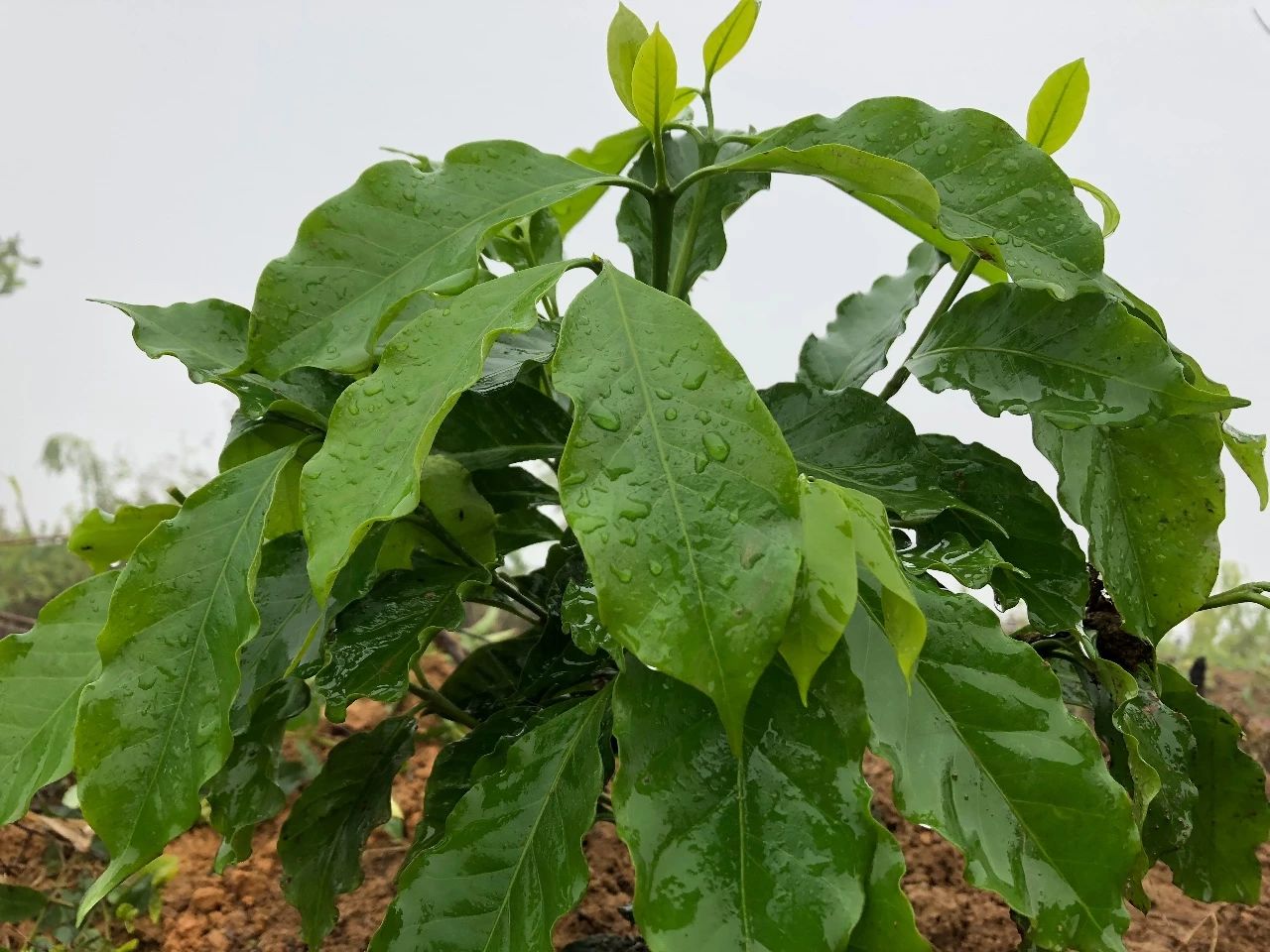
For this batch, we chose Typica seedlings, characterized by their copper-colored new leaves. Typica yields are very low—only one-third of Catimor—so that’s why it’s more expensive. Meanwhile, Typica and Bourbon are also highly susceptible to coffee leaf rust, another reason farmers are reluctant to grow Arabica.
Due to time constraints, to ensure this batch of seedlings had a solid foundation upon planting, we pre-grew them in a nursery a year in advance. This is usually done one or two months after the previous harvest season. Throughout that year, we controlled water and fertilizer appropriately to prevent overly fast growth, ensuring the highest germination rate for the seeds while keeping the main roots from growing too long—so they could be pruned when transplanted to the coffee farm.
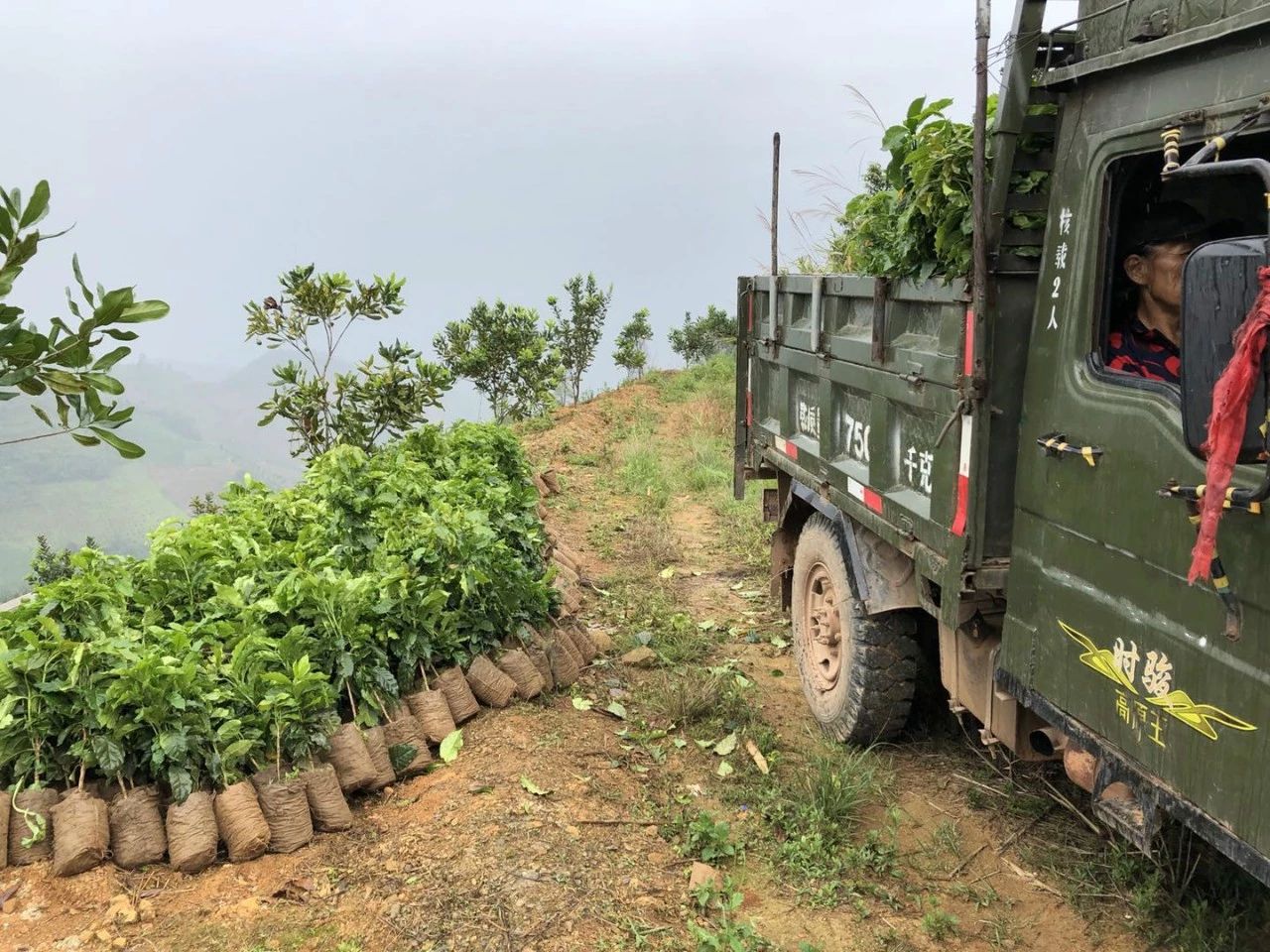
Speaking of coffee farms, besides meeting elevation requirements, we also hope our coffee can grow in a natural, comfortable environment—like clouds, diverse plants, and ecological surroundings—because another key difference between Arabica and Catimor is that one dislikes sunlight while the other doesn’t mind it.
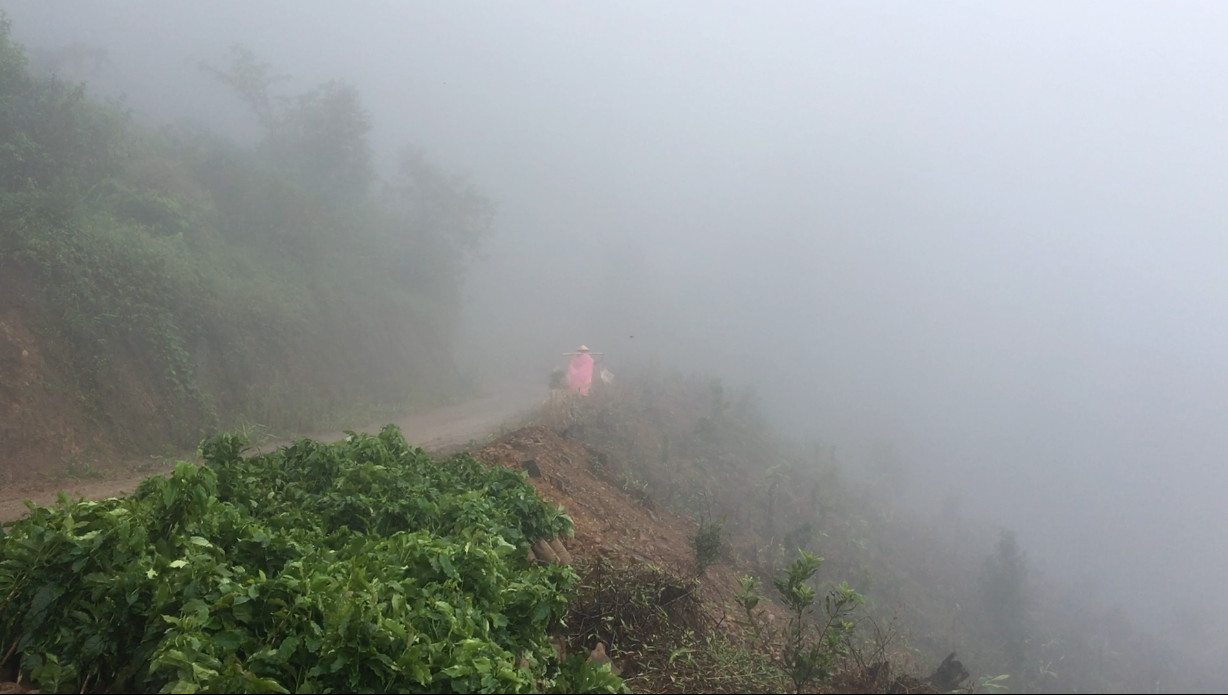
Besides the planting season, timing is also crucial. Only when you’re in the producing area during the planting season can you truly understand what a rainy season is. Sunny for a few minutes, raining for half an hour—if the plantation is large and you don’t have rain gear, by the time you walk a loop, your clothes will have been wet and dried, dried and wet, multiple times.
For most of the morning, you’re practically living inside the clouds. And there are many types of clouds, like this:
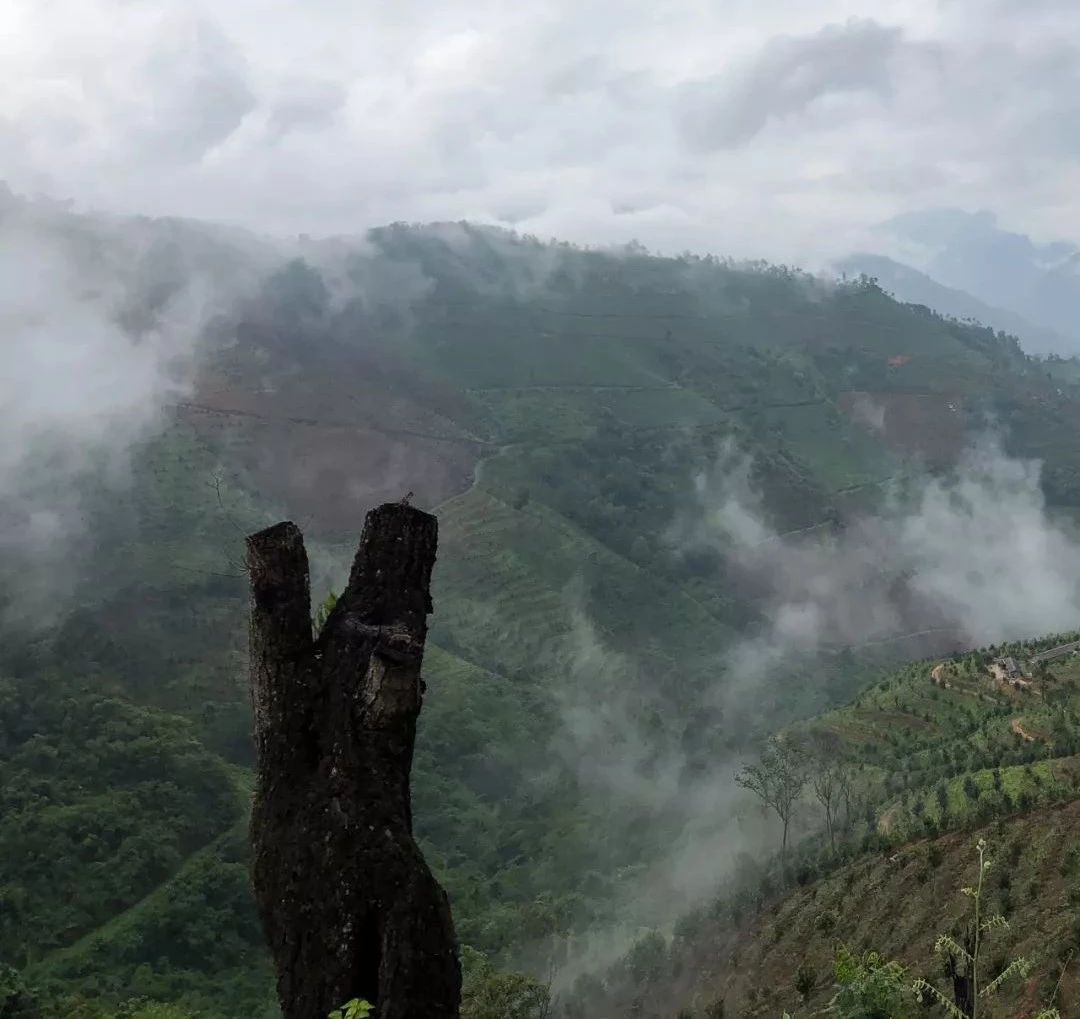
this:
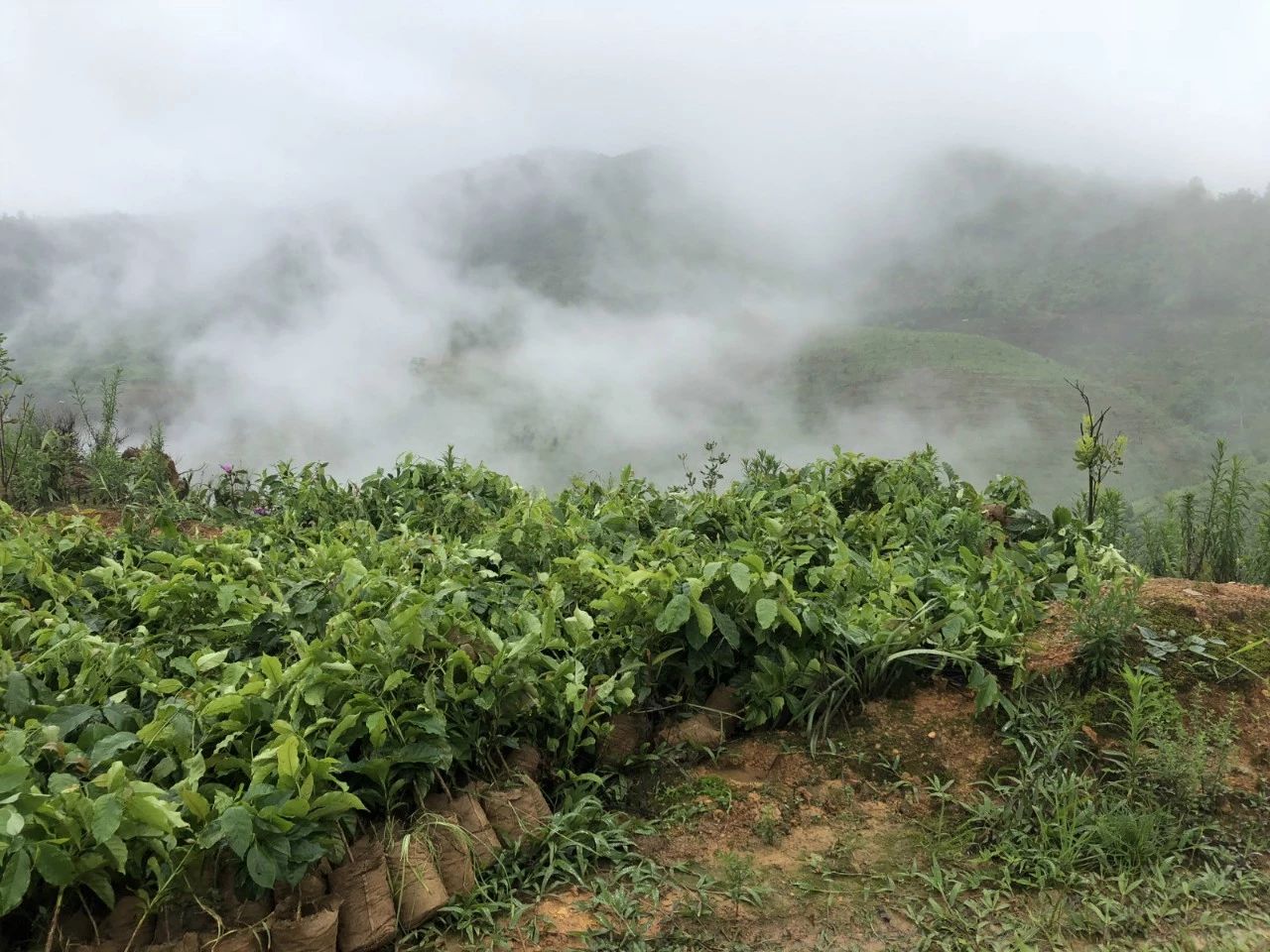
and this:
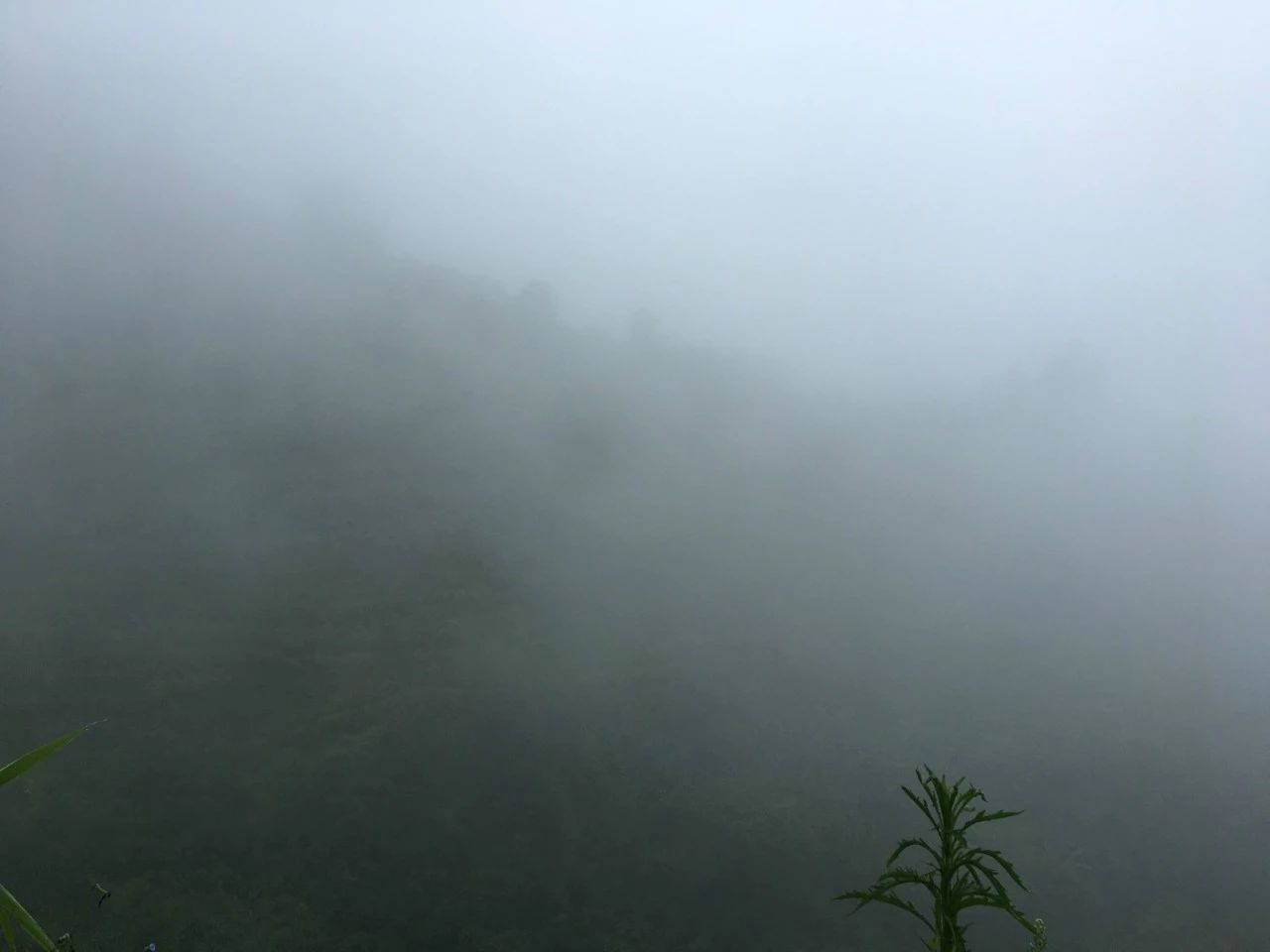
By the end of the day, you actually can’t plant many coffee trees.
Yet we still enjoy it, because we know clearly that in two years, it will eventually bear fruit—just like the seeds we planted two years ago have already flowered and fruited.
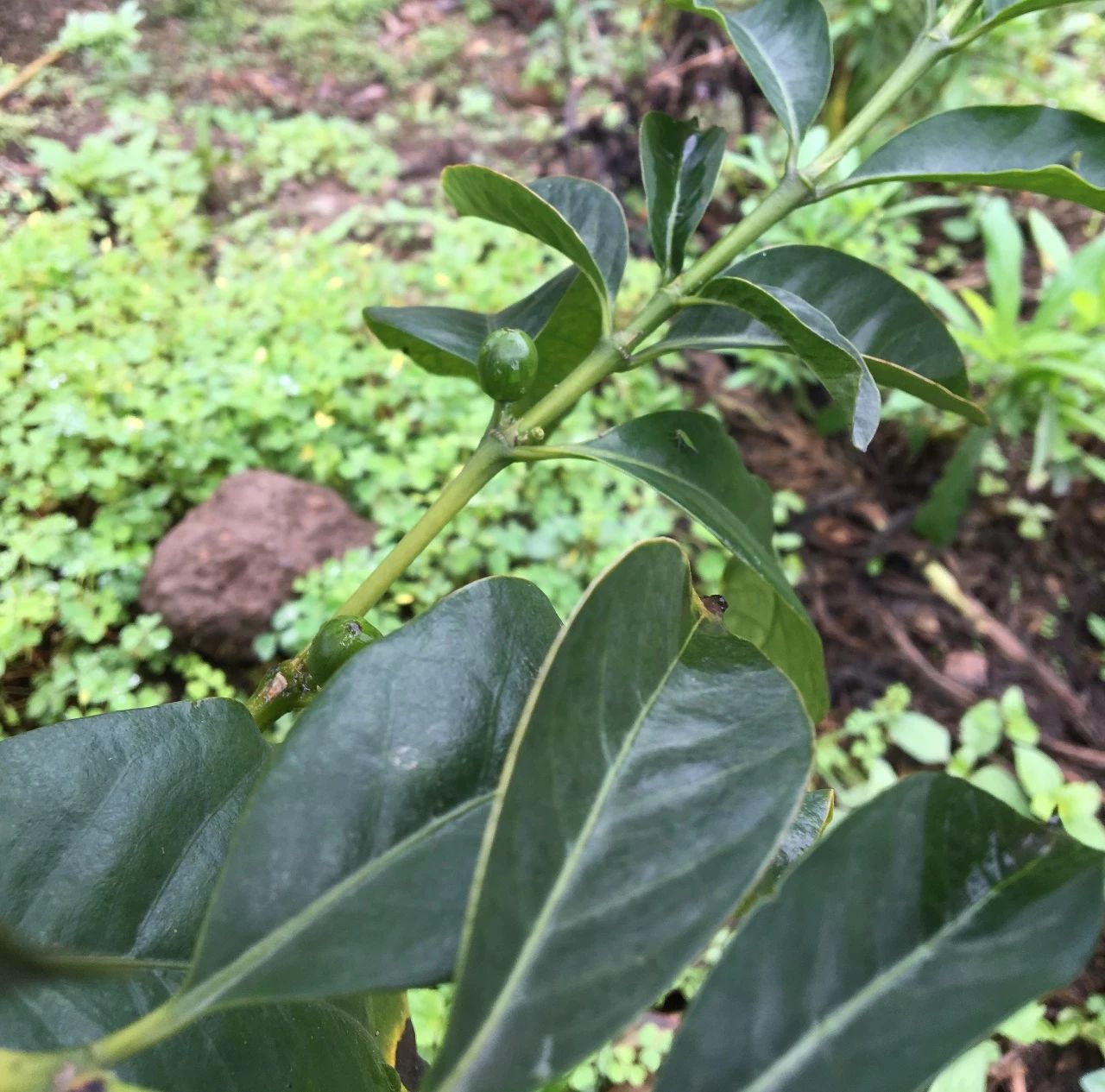
However, that’s not even the hardest part. It takes three to four years for coffee to bear fruit after planting, and then experimenting with and finally replicating the right processing methods can take at least five years to achieve a basic goal. Most importantly, multiple locations need to develop the same foundational flavor profile, so that veteran coffee drinkers can take a sip and say, “Ah, this is the taste of Yunnan specialty coffee.” Perhaps that’s when the real journey begins amidst the challenges. Because after these foundational 5 years, you can only say you’ve grown Arabica coffee with attention to variety—no one guarantees it will immediately produce high-quality specialty coffee. I firmly believe there’s no such easy thing in this world. After multiple rounds of variety selection, post-harvest processing experiments, and more years to come.

Best Coffee’s plantation is located in a small border town. Cross the border, and you’re in Kokang, northern Myanmar. 2011 In that year, the Myanmar government officially named Kokang the Kokang Autonomous Region of Northern Shan State, Myanmar. 2014 When we were breeding at the plantation in that year, the local situation had already started to become tense. By 2015, war had broken out, and a large number of refugees began pouring in.

We planted coffee under these turbulent conditions for 8 years. The first batch of coffee seedlings we planted grew into coffee trees, went through flowering, went through fruiting, spanning eight years. It wasn’t until two months ago, during the coffee harvest season, that we finally picked and processed this season’s coffee beans. The yield was small, enough only to be given away as limited samples during this event. , To commemorate these 8 years of hard work and sweat, this batch of coffee is named “Best Coffee 2013”。