Ethiopia Gesha Village Natural Green LabelCoffee Bean Intro:

Pinnacle Coffee – Ethiopia Gesha Village Estate Green Label Gesha Coffee Beans
Region: Bench Maji, Ethiopia
Farm: Gesha Village Estate
Altitude: 1911-2001 meters
Variety: Gori Gesha
Processing method: Natural process
The Legend of Gesha Village Estate
In 2007, documentary director Adam Overton and his photographer wife Rachel Samuel were filming a documentary about Ethiopian coffee for the Ethiopian government when they encountered the Gera Coffee Forest in the Bench Maji region. During this time, they conceived the idea of establishing their own coffee farm and brand.

In 2009, they had the fortune to meet the renowned mule farm owner and BOP judge Willem Boot. Willem Boot’s idea also provided an opportunity for the Overtons: to return to Ethiopia and search for the birthplace of Gesha. Eventually, they arrived in Bench Maji, a region in southwestern Ethiopia near South Sudan, where many areas are called Gesha Village and which is most likely to be the origin of the original Gesha.

Adam followed Willem Boot into the forests around the farm to begin an “exploration.” In a jungle magically enveloped by dense forests, they discovered various wild tree species, and to their greatest surprise, they found wild Gesha. Later, they learned that this was the Gori Gesha forest, the place where the Gesha variety was first discovered. They then collected seeds from the wild Gesha trees, selected among them, and planted them in Gesha Village. They decided to establish the farm here and named it Gesha Village Coffee Estate, a 475-hectare coffee farm located about 12 miles from the Gori Gesha forest. Unlike the vast majority of Ethiopian farms, Gesha Village is not a small farm but a large 500-hectare farm with its own washing station and laboratory. The entire farm grows only the Gesha variety, rather than the generally undeterminable Ethiopian heirloom varieties.

Coffee Varieties at Gesha Village
Gesha Village has three varieties, named after the exploration teams that discovered the coffee: Gesha1931, Gori Gesha, and Illubabor, provided by the Ethiopian Coffee Research Center.

Gesha1931 was confirmed by observing the plant morphology, bean shape, size, and cupping, and it is the closest to the parent of Panamanian Gesha. The Gori Gesha variety was collected by the Gesha Village Estate owners themselves in 2011 from the wild coffee forest of Gori Gesha, 20 kilometers away from the current Gesha Village farm, and no duplicate samples have been found elsewhere.
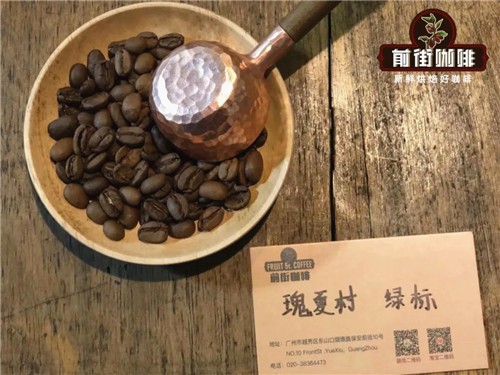
Gesha Village Green Label Gesha Coffee
Gesha Village Estate uses a product line configuration similar to that of Hacienda Esmeralda, divided into RARITIES (Gold Label), GROWERS RESERVE (Red Label), SINGLE-TERROIR (Green Label), and CHAKA.

Like the Gold Label, Red Label, and Chaka batches, Pinnacle has previously tested the Gold Label, Red Label, and Chaka, all of which left a good impression. This Green Label Gesha is officially named SINGLE-TERROIR (single terroir/plot), and these coffee beans come from a single farm within Gesha Village. Complete traceability information for each batch number in the Single-Terroir series can be found, including the farm name, coffee variety, and processing date. Gesha Village Estate has strict plot divisions, with different coffee varieties planted in each area. This Green Label Gesha comes from Bangi, located northwest of Gesha Village, and the planted variety is the Gori Gesha.

Estate Refinement Natural Process
Pinnacle Coffee’s Gesha Village coffee uses the natural process. First, impurities are removed, then it is dried on African-style raised beds with thin layers and covered with plastic sheeting. During the drying process on the beds, it is screened again to remove insect-damaged beans and greenish coffee beans. The total drying time is 18-30 days. Pinnacle believes that naturally processed coffee has a pronounced sweetness, a mild acidity, and a complex fruity flavor profile.

Pinnacle Coffee Roasting Analysis
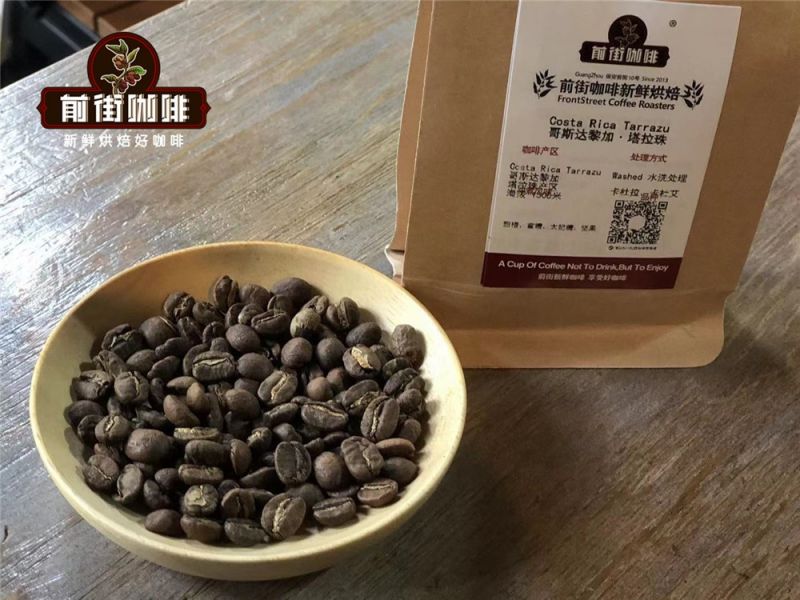
Since this batch is from the 2020 new crop, with a higher moisture content, the dehydration time is extended. The final roast level is determined to be medium-light to highlight the fruit sweetness.

Yama 800N, 500g dose: Charge at 175°C, 130 power, 3 fan; Turnaround at 1’36”, at 92.8°C at 3 minutes, open fan to 4 and increase power to 140; At 152.6°C (6’26”), beans turn yellow, grassiness fully gone, entering dehydration phase, reduce power and fan to 100; At 8’20”, beans show ugly wrinkles and black streaks, toast aroma clearly turns to coffee aroma, can be defined as pre-first crack, listen carefully to first crack timing, at 9’55” first crack starts, open fan to 5, develop for 1’30” after first crack, drop at 193.5°C.
Gesha Village Natural Green Label Flavor Profile
Through cupping, Pinnacle found that the similarity between Gesha Village Green Label Gesha coffee and the well-known Panamanian Green Label Gesha is not high. Panamanian-grown Gesha coffee beans, whether in dry or wet aroma or in the cup, have charming floral notes, while Gesha Village-grown Gesha features berry juice-like characteristics in dry and wet aroma and in the cup, inheriting the Ethiopian berry juice-like coffee trait.
Pinnacle Coffee Brewing Guide
Dose: 15 grams
Coffee-to-water ratio: 1:15
Grind size: Hand drip fine grind (78% through 20# standard sieve)
Water temperature: 90°C

Pinnacle Brewing Method: Wet the filter paper and preheat the filter cone and coffee server. Bloom with 30g water for 30 seconds, then pour in a small circular motion to 125g for the first pour. When the water level drops and is about to expose the coffee bed, continue pouring in a circular motion to 225g and stop. When the water level drops and is about to expose the coffee bed, remove the filter cone. (Start timing at bloom) Total brew time is exactly 2 minutes.
Gesha Village Green Label Coffee Bean Brewed Flavor: Sweet berry aroma, full and rich mouthfeel, with hints of cherry, red berry, and honey flavors. The finish has a fermented aromatic note.