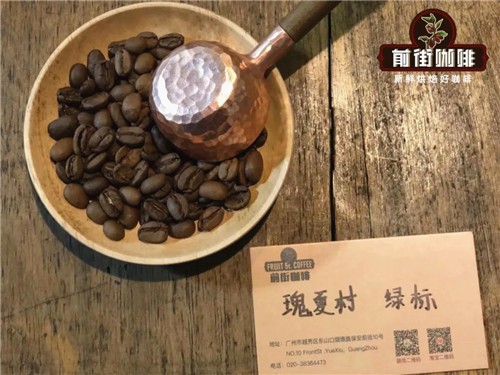
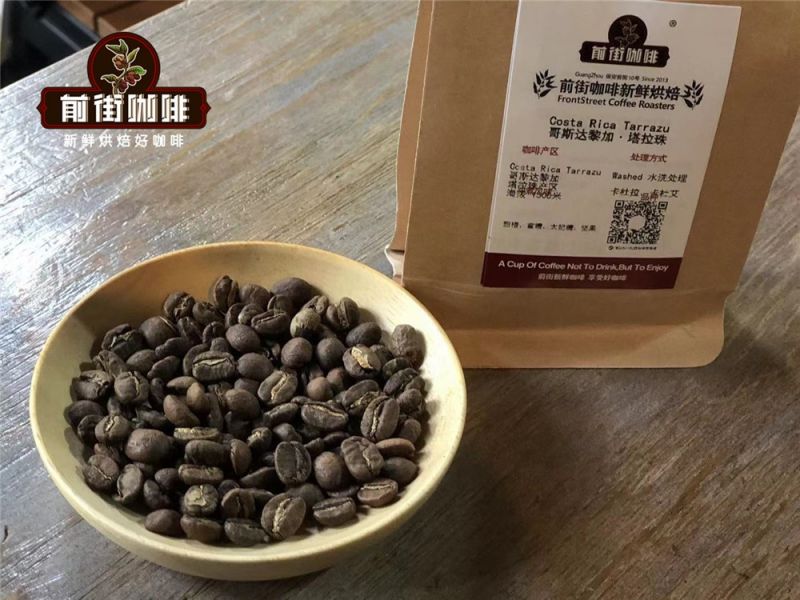
Costa Rica COE 26 Honey Process Geisha Coffee BeansCoffee Beans
Origin
- Region: Costa Rica Central Valley CentralValley
- Variety: Geisha
- Process: Honey Process
- Roast: Cinnamon Roast
- Altitude: 1400 meters
- Sample Batch: 2020 COE 26th place
- Grower:
Flavor Notes:
Citrus, lemon, berries, medium-high acidity, white jasmine floral notes, milk chocolate, medium almond nuttiness
- Aroma: Medium
- Cleanliness: Medium
- Sweetness:Average
- Acidity:Strong
- Body:Average
- Bitterness:Slight
- Aftertaste:Average
- After Cooling:Medium
Costa Rica COE 26 Honey Process Geisha Coffee BeansCoffee Bean Intro:
Costa Rica is one of the favorite American coffee-producing countries of Prior Coffee. As is well known, Costa Rica was once a Spanish colony. During the colonial period, the country experienced a sharp decline in labor and widespread hardship among its people. It wasn't until the 1820s, during the height of the Latin American independence movements, that Costa Rica declared independence in 1821. After gaining independence, to develop its economy, Costa Rica heavily promoted coffee cultivation, making coffee one of the country’s most important export crops. Costa Rica is also one of the few countries in the world that has banned the planting of Robusta coffee, with growing and producing Robusta being illegal—this shows how much emphasis the country places on coffee quality. With its long history of coffee cultivation and matured techniques developed over time, this small country produces coffee of no small quality. Prior Coffee’s bean menu includes several Costa Rican coffees that are very popular with customers. Out of their love for Costa Rican coffee, the baristas and roasters at Prior Coffee test many Costa Rican coffee beans every year. Recently, they cupped a 2020 Costa Rica COE 26th place honey-processed Geisha from El Alto Estate in Santa Maria de Dota (Corrida). What does this coffee bean taste like? The roasters at Prior Coffee will roast the beans in advance. Both the roasters and the in-store baristas will each cup the beans once to maintain objectivity. The roasters and shop staff will cup the beans 24 hours after roasting. For this Costa Rica COE 26 sample, the roaster prepared three different roast profiles. During cupping, we weigh 11.3 grams of sample coffee beans per cupping bowl, then grind and smell the dry aroma. The grind size is medium-coarse, with a 75% passing rate through a 0.85mm standard sieve. Then, 94°C hot water is poured into the cupping bowl. The steeping time is 4 minutes, and at the 4-minute mark, the crust is broken and skimmed, followed by slurping with a cupping spoon. This Costa Rican coffee bean, across multiple roast profiles, exhibits pronounced bright acidity like citrus and lemon, along with subtle floral notes reminiscent of white flowers like jasmine. The mid-palate features moderate nuttiness, reminiscent of almonds, while the finish offers medium milk chocolate notes. At lower temperatures, the acidity becomes more pronounced, with a complex fruit flavor profile including lemon, orange, and grape. After cupping multiple roast profiles, the baristas and roasters at Prior Coffee found that the lowest score for this bean was 83.5, with an average score around 86. The official COE score for this coffee bean is 87.05. Costa Rica COE 26th place What gives it its flavor? We know that a coffee’s flavor is primarily influenced by factors such as origin growing conditions, processing methods, and variety. This COE 26th place Costa Rican coffee bean comes from the El Alto Estate in the Central Valley region, using the honey process method and the Geisha variety. Coffee Region — Central Valley The 2020 Costa Rica COE 26th place coffee bean comes from the El Alto Estate in the Central Valley, which is located on the slopes of the Barva Volcano. The Barva Volcano is situated 22 kilometers north of San José, Costa Rica, with a maximum elevation of 2906 meters, making it the third-highest volcano in the country. The coffee trees of the El Alto Estate are planted on the volcano’s slopes at an altitude of 1400 meters. Coffee Variety — Geisha Variety Like other coffee varieties, the Geisha variety also originates from Ethiopia and has made its way to various coffee-producing countries over time, with Costa Rica being one of them. Although the Geisha variety has been present in various countries for a long time, it remained relatively unknown until Panama’s Hacienda Esmeralda selected it and won the Best of Panama competition in 2004. Since then, the Geisha variety has gained worldwide popularity, and Hacienda Esmeralda’s role in this cannot be overstated. The Geisha variety has tall trees with few branches and low yields, so initially, Panama used the Geisha variety mainly as a windbreak for other coffee varieties. However, subsequent cuppings revealed that high-altitude Geisha coffee often features delicate floral aromas and extremely low bitterness, making it feel more like jasmine tea than coffee. This Costa Rica COE 26th place coffee is a Geisha variety, so during cupping, besides the fruity notes of citrus and lemon in the mid-palate, there are also subtle white floral notes reminiscent of jasmine. Processing Method — Honey Process In addition to the origin and the Geisha variety, the honey processing method is another key factor behind the refined flavors of this coffee. Aside from washed processing, honey processing can be considered the most representative method in Costa Rica. Unlike washed or natural processing, the honey process is characterized by drying with the mucilage layer retained. This method not only shortens sun-drying time and reduces defect formation but also absorbs the mucilage, producing fruit-like aromatic flavors similar to those of natural-processed coffee. Depending on how much mucilage is retained, the honey process is further divided into red honey, yellow honey, and black honey processes. This COE 26th place honey-processed Geisha retains the full mucilage layer. The beans with retained mucilage are dried in the estate yard for 10 days. This processing method allows the coffee beans to develop milk chocolate notes and increased sweetness. Roasting Recommendation from Prior Coffee

Follow the official account and sendRead Full Article Free
Region Intro:
Altitude 1,200-1,600 m, harvest season November - March, this production region has three sub-regions, which are San Jose, Heredia, and Alajuela. There are three high-altitude volcanoes in the production region: Irazu, Barva, Poas, which provide abundant nutrients to the surrounding coffee production areas. Superior microclimates plus the fertile soil of the two volcanoes Poas and Barva give the beans of this region superior characteristics, such as chocolate and cocoa flavors, bright fruit acidity and elegant aroma. The Central Valley region is also the earliest area in Costa Rica where coffee was planted, and only afterward did the country's coffee industry develop in other regions. Rainfall is moderate with an annual rainfall of 118 inches, and the average annual temperature is only 19°C. In addition, with the high altitude, the beans are therefore hard, full of aroma, smooth, high in acidity, and the bean body is full.
Brewing Tips:
Brewing Recommendation from Prior Coffee
Filter: V60 #01
Water Temperature: 90–91°C
Coffee Amount: 15g
Coffee-to-Water Ratio: 1:15
Grind Size: Medium-fine (80% passing through a 20-mesh sieve according to Chinese standards)
Brewing Method: Three-pour method. Start with a 30-second bloom using 30g of water, then pour in a slow spiral to 125g for the first pour. When the water level drops and is about to expose the coffee bed, continue pouring to 225g and stop. Remove the filter when the water level is about to expose the coffee bed again. (Start timing at bloom.) Total brew time: 2 minutes 00 seconds.
Flavor Cup Report:
No content yet