Costa Rica Las Lajas Estate Red HoneyCoffee Beans
Origin
- Region: Costa Rica Central Valley CentralValley
- Variety: Caturra
- Process: Medium roast
- Roast: Cinnamon Roast
- Altitude: 1300-1500m
- Sample Batch:
- Grower:
Flavor Notes:
Flavors: Entry features yellow peach and grape acidity, with dark chocolate aroma. As temperature drops, fruity sweetness gradually emerges, leaving a faint brown sugar note in the aftertaste.
- Aroma: Average
- Cleanliness: Medium
- Sweetness:Medium
- Acidity:Medium
- Body:Average
- Bitterness:Average
- Aftertaste:None
- After Cooling:Medium
Costa Rica Las Lajas Estate Red HoneyCoffee Bean Intro:
Costa Rica Las Lajas Estate Red Honey Varieties: Caturra, Catuai
Costa Rica was one of the first countries in Central America to cultivate coffee. Located on the Central American isthmus, it has highly fertile volcanic soil with good drainage and a suitable climate, producing high-quality coffee beans. All coffee grown here is Arabica, with green beans that are generally large in size, making the coffee quality among the best in the country. It is one of the most valued coffee-growing regions in Costa Rica.
The flavor profile of Costa Rican coffee is generally balanced and mild, with pleasant fruit acidity, aromatic richness, and a thick mouthfeel. The Central Valley region is one of Costa Rica’s more famous coffee-growing areas. The country has seven major coffee regions: Turrialba Valley, Central Valley, West Valley, Tres Ríos, Brunca, Orosi, and Tarrazú. The Central Valley region sits at an elevation of 1,200-1,600 meters, with the harvest season from November to March. This region has three sub-regions: San José, Heredia, and Alajuela. The Central Valley is also the earliest area in Costa Rica to cultivate coffee, featuring rich volcanic soils. Coffees from this region often exhibit bright, clean acidity, strong aromas, and sometimes hints of chocolate. Las Lajas Estate is located in the Central Valley region (Central Valley), not far from the capital and close to the Poás Volcano, at an elevation of 1,250-1,500 meters. Its annual production is approximately 55,200 kilograms. The estate is currently co-managed by the third-generation owner, Francisca Cubillo, and her spouse Oscar. It is one of the earliest farms to engage in systematic research and processing, and has long been a favorite among global buyers. 
At Las Lajas Estate, the farm owner categorizes honey-processed and sun-dried coffees into various offerings based on flavor profiles. For honey processing, Las Lajas Estate adopted another approach—retaining the highest possible percentage of mucilage (100%) and controlling the drying time and turning frequency on African beds to highlight different flavor characteristics. The estate divides honey-processed coffees into Yellow Honey, Red Honey, and Black Honey. Honey processing is a method where the pulp is removed but the mucilage is retained, followed by sun-drying of the green beans. Yellow Honey: 40% of the mucilage is removed, with maximum sun exposure during drying, lasting about 8 days.
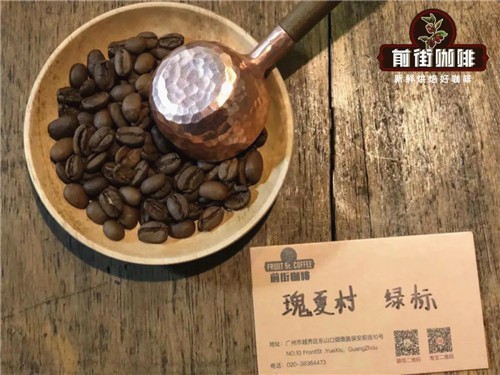
Red Honey: 25% of the mucilage is removed (practices vary by farm), with sun drying lasting around 12 days, sometimes using shaded drying structures. Black Honey: Almost all mucilage is retained, resulting in the longest drying time (over 14 days). To prevent over-drying, shading is used to moderate sunlight intensity, allowing for more thorough sugar conversion. This Red Honey coffee bean is of the Caturra and Catuai varieties, commonly found in the Americas. Caturra is a natural mutation of Bourbon, while Catuai is a hybrid of Caturra and Mundo Novo. Both varieties often exhibit bright, soft fruit acidity and good sweetness. For this coffee, we chose a relatively low charge temperature and a fast roast approach, aiming for a medium roast level to highlight the rich, viscous mouthfeel typical of honey processing. Charge temperature at 155°C, with 120 power, air vent at 3. Turnaround at 1’28”. At 140°C, increase air vent to 4. At 8’30”, the bean surface shows rough wrinkles and dark spots, with toastiness clearly transitioning to coffee aroma—this marks the prelude to first crack. Listen closely for the first crack at 9’08”, then develop for 1’45” post-crack, dropping at 196°C.
Agtron bean color value is 67.7 (above), Agtron crema value is 70.4 (below), Roast Delta is 2.7. Flavors: When hot, sips reveal chocolate and caramel; as temperature drops, nectarine and green grape acidity emerge.

Follow the official account and sendRead Full Article Free
Region Intro:
Altitude 1,200-1,600 m, harvest season November - March, this production region has three sub-regions, which are San Jose, Heredia, and Alajuela. There are three high-altitude volcanoes in the production region: Irazu, Barva, Poas, which provide abundant nutrients to the surrounding coffee production areas. Superior microclimates plus the fertile soil of the two volcanoes Poas and Barva give the beans of this region superior characteristics, such as chocolate and cocoa flavors, bright fruit acidity and elegant aroma. The Central Valley region is also the earliest area in Costa Rica where coffee was planted, and only afterward did the country's coffee industry develop in other regions. Rainfall is moderate with an annual rainfall of 118 inches, and the average annual temperature is only 19°C. In addition, with the high altitude, the beans are therefore hard, full of aroma, smooth, high in acidity, and the bean body is full.
Brewing Tips:
Recommended brew method: Pour-over
Filter: V60
Water temperature: 90-92°C
Dose: 15g
Brew ratio: 1:15
Grind: Medium-fine (80% through 20-mesh sieve, China standard)
Brew technique: Pulse pouring
Bloom with 30g water for ~30s, then pulse pour 125g water in small circles. When the water level nears the bed, pour to 225g total. Remove the V60 when the bed is nearly exposed. Total brew time: 2’00”.
Flavor Cup Report:
No content yet