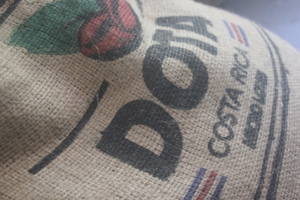
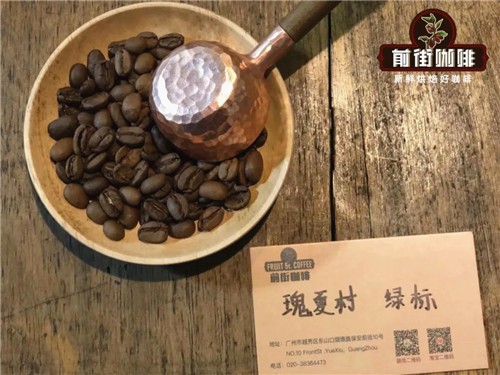
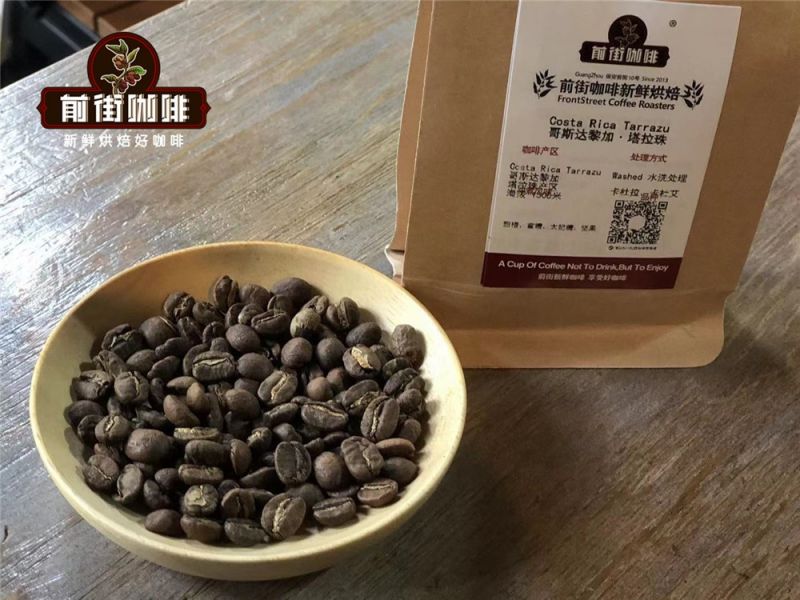
Costa Rica Micro-lot DotaCoffee Beans
Origin
- Region: Costa Rica
- Variety: Catuai
- Process: Natural
- Roast: Cinnamon Roast
- Altitude: 1200-1700
- Sample Batch:
- Grower:
Flavor Notes:
The wet aroma is fermented, with citrus acidity on the palate, accompanied by flavors of raisin, caramel, and chocolate. The mouthfeel is quite full-bodied.
- Aroma: Medium
- Cleanliness: Slight
- Sweetness:Average
- Acidity:Average
- Body:Medium
- Bitterness:Slight
- Aftertaste:Average
- After Cooling:Average
Costa Rica Micro-lot DotaCoffee Bean Intro:

Front Street Coffee: Costa Rica Dota Cooperative · Natural Coffee Beans
Costa Rica Dota Microlots Processing Method: Natural Process Varieties: Caturra, Catuai
Costa Rica has eight major coffee regions: West Valley, Central Valley, Tarrazu, Tres Rios, Orosi, Brunca, Turrialba, and Guanacaste. Interestingly, coffee farmers in the Dota region actually believe their coffee is better than other areas within Tarrazu. This is because, as early as 1865, most of Costa Rica’s coffee came from the Dota region. Later, when roads were being built in the Dota Valley, the route passed through the Tarrazu region, and eventually the Dota region was incorporated into Tarrazu. Therefore, in the past, when exporting high-quality coffee from Dota, they would label it as “Dota Tarrazu.” Micro-lot coffee comes from specific blocks within a single farm, sometimes from a very small farm, or even from a small plot shared by multiple producers.

The coffee is harvested and processed in small batches. Due to rising labor costs, which in turn increase the final retail price, micro-lot coffees usually have very high quality. Simply put, it means selecting the best-performing beans from a batch that already performs well.
This coffee uses the rare natural process in Costa Rica. As the name suggests, the natural process involves drying the harvested coffee cherries in the sun. 1. Floaters Removal: The harvested coffee cherries are poured into a large water tank; ripe and dense cherries will sink to the bottom, while underripe or overripe cherries will float to the surface—these floaters are removed. 2. Sun Drying: The whole coffee cherries, with pulp, skin, and mucilage intact, are spread out on drying beds to dry naturally until the moisture content reaches about 12%. This process takes approximately two to four weeks, depending on the climate of the origin. 3. Hulling: The naturally dried [cherries] are then passed through a hulling machine to remove the hard outer skin, pulp, and parchment layer, revealing the green coffee bean.

Follow the official account and sendRead Full Article Free
Region Intro:
Costa Rica is located in Central America and was the first country in Central America where coffee was introduced and planted; it has a long history, and its coffee organizations have a complete system from production to sales.
Because it lies in the Central American isthmus, the volcanic soil is very fertile and well-drained, especially in the Central Plateau; here the coffee-growing areas sit on volcanic terrain with fertile volcanic ash, mild and suitable temperatures, and stable and abundant rainfall, which is one of the factors that have made coffee a major agricultural product.
Brewing Tips:
Recommended Brewing Method: Pour Over
Filter: V60
Water Temperature: 90-92°C
Dose: 15g
Coffee-to-Water Ratio: 1:15
Grind Size: Medium-Fine (80% passing through a 20-mesh sieve according to Chinese standards)
Brewing Technique: Pulse Pouring
Start with a 30g bloom for about 30 seconds, then pour in 125g of water in small circular motions centered around the coffee bed. When the water level drops close to exposing the coffee bed, continue pouring to reach 225g total. Remove the filter when the water level is about to expose the coffee bed again. (Start timing at the bloom.) Total brew time: 2’00”.