Costa Rica Pirón Mill Black Honey Process CaturraCoffee Beans
Origin
- Region: Costa Rica Tarrazu
- Variety: Caturra
- Process: Black Honey Process
- Roast: Cinnamon Roast
- Altitude: 1800 meters
- Sample Batch: 2025
- Grower: Pirón Mill
Flavor Notes:
Grape, berry, floral, with slight fermentation notes
- Aroma: Average
- Cleanliness: Medium
- Sweetness:Strong
- Acidity:Slight
- Body:Average
- Bitterness:Slight
- Aftertaste:Average
- After Cooling:Average
Costa Rica Pirón Mill Black Honey Process CaturraCoffee Bean Intro:
Costa Rica · Pirón Mill Black Honey Process Caturra Origin: Tarrazú Region, Costa Rica Processing Method: Black Honey Process Flavor: Grape, berry, floral, with slight fermentation notes
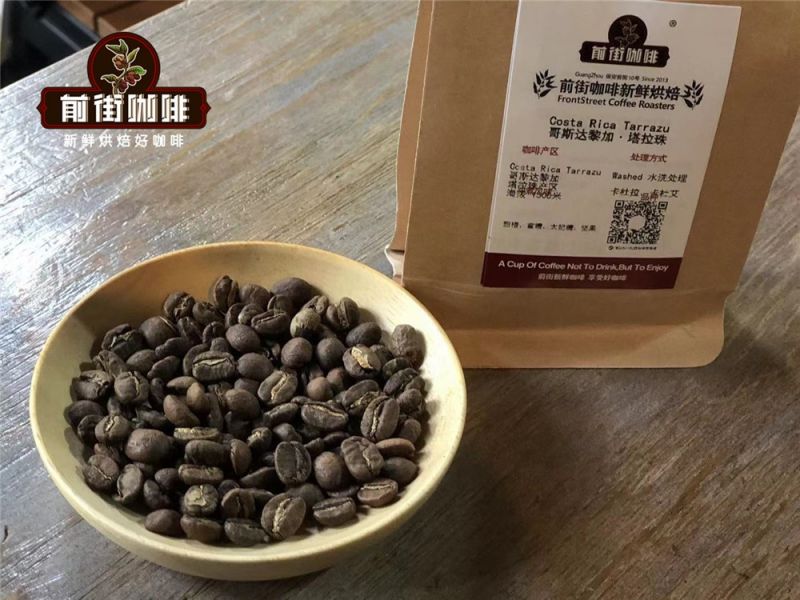
The Pirón Mill is located in the renowned Tarrazú Region of Costa Rica and is jointly operated by Edgar Urena, Efrain Mendez, and their family members. Let’s first briefly introduce the Tarrazú Region. Situated in a volcanic area, Tarrazú is an exceptional coffee-growing destination in Costa Rica. It boasts not only a humid climate and fertile volcanic soil but also high altitudes, along with dense forests that provide natural shade for the coffee plants—truly an ideal coffee-growing environment. The Pirón Mill is situated near the border of Leon Cortez Town in Tarrazú, with coffee planted at elevations of around 1700–1800 meters. In Costa Rica’s coffee grading system, coffee produced at this altitude falls under the highest category, SHB (Strictly Hard Bean). As you can imagine, the coffee from the Pirón Mill holds immense potential. (At the 2018 World Brewers Cup, a Japanese competitor demonstrated this by winning the championship with coffee from the Pirón Mill.) The coffee we’ve selected this time from the Pirón Mill is their Black Honey Process Caturra. We’ve been sharing this variety frequently recently, so many of you are likely already familiar with it. It’s a descendant of the ancient Bourbon variety, renowned for its high yield, excellent flavor profile, and ease of cultivation, making it a star variety in Central American coffee regions. Caturra was discovered in the early 20th century on a plantation in Minas Gerais, Brazil, where a group of Bourbon plants underwent a genetic mutation, resulting in smaller plant stature. Due to its compact size, locals named this new variety “Caturra,” which means “small” in the Guarani language. Phonetically, it became Caturra. The high yield of Caturra is also attributed to its small stature, allowing it to be densely planted at twice the density of other varieties. Its compact size also makes harvesting and management more convenient. Additionally, it can thrive under direct sunlight, unlike other Arabica varieties that require shade trees, earning it the nickname “sun-grown coffee.” Coupled with its outstanding flavor profile, it quickly became one of the primary varieties planted in Central American countries after its introduction. For example, our menu includes many Caturra varieties, such as Panama Geisha (Hacienda La Esmeralda), Duncan Estate Caturra, and this selection from the Pirón Mill’s Black Honey Process Caturra. Honey processing is likely already familiar to many, but black honey processing may be less well-known to some. So, let’s take a moment to explain what black honey processing actually entails. First, let’s briefly introduce honey processing. Honey processing is an evolution of Brazil’s pulp natural (pulped natural) method, designed to shorten drying times while conserving water. In honey processing, farmers first immerse the coffee cherries in water tanks for flotation to remove underripe or defective cherries. Then, specialized equipment is used to remove the skin and pulp, leaving the mucilage-covered beans to undergo a period of “dry fermentation.” After fermentation, the beans are transferred to drying beds. Once the moisture content reaches a certain level, the beans are either hulled or stored in warehouses awaiting export. The “honey” in honey processing refers to the sticky state of the mucilage’s sugars after fermentation, which resembles honey—hence the name “honey process.” Honey processing is actually an umbrella term, as it is categorized into white honey, yellow honey, red honey, and black honey based on the amount of mucilage retained. During the depulping stage, farmers can adjust the mucilage retention according to the desired level of fermentation. Since mucilage is rich in sugars, the more mucilage retained, the darker the beans become after drying. White, yellow, red, and black are names derived from the final bean color resulting from varying levels of mucilage retention. Black honey has the highest mucilage retention among the four, with almost all mucilage left intact. It requires the longest drying time, typically over 14 days. To prevent overly rapid drying and insufficient sugar conversion, farmers use covers to partially block sunlight, allowing more time for chemical transformations and ensuring better sugar absorption by the beans. As a result, black honey-processed coffee boasts exceptionally rich flavors and a pronounced sweetness. Upon inspecting the green beans of this Pirón Mill Black Honey Caturra, we noticed noticeable color inconsistencies due to the high and uneven mucilage retention, along with a strong fermented aroma. To fully showcase the characteristics of these black honey-processed beans and highlight their sweetness, we opted for a medium-light roast.

Follow the official account and sendRead Full Article Free
Region Intro:
Tarrazu is located south of the country's capital, San Jose, and is one of the most highly regarded coffee-growing regions in the country. The coffee of "La Minita Tarrazu" is a local specialty, but production is limited; it is grown on a piece of land called "La Minita", owned by the McAlpine family of the United Kingdom for the last three generations.
Costa Rica's Tarrazu is one of the world's major coffee-producing regions, and its coffee has a light, pure flavor and a pleasant aroma. Costa Rica's volcanic soil is very fertile and well drained, and it was the first country in Central America to grow coffee and bananas for commercial value. Coffee and bananas are the country's main export commodities.
Brewing Tips:
Dose: 15g
Ratio: 1:15
Brewer: V60
Water Temp: 91-92°C
Grind Size: Fine sugar-like (20-mesh sieve, 80% through)
Brew Method (Bloom First): Add 15g coffee grounds to the V60, tare the scale. First pour: 30g water for a 30-second bloom, starting the timer. Use a gentle stream, circling from the center outward to wet all grounds.
Second pour: Increase water flow to 110g, lifting the bed. Pour vertically and evenly. At ~140g on the scale (~55 sec).
Third pour: When the liquid level drops halfway, use a finer stream to pour 85g, avoiding large circles to prevent channeling. Total brew weight: 225g. Total brew time: ~2:00–2:10. Remove the V60, swirl the server, and enjoy.
Flavor Cup Report:
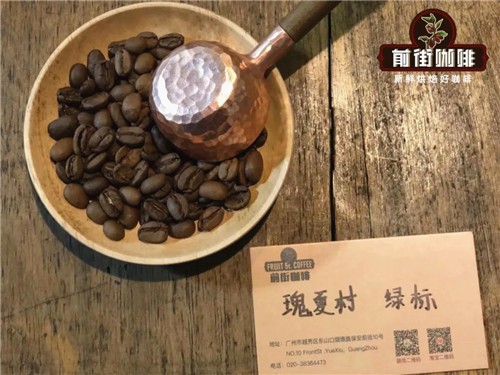
In the dry aroma, this Pirón Mill Black Honey Caturra reveals pronounced berry and grape sweetness, with subtle floral notes and mild fermentation undertones. The fragrance is rich, layered, and pleasant.
In the cup, we taste delicate fruit acidity with bright notes of grape, green grape, and berries, alongside floral hints and soft fermentation character at higher temperatures. As it cools, the acidity becomes smoother, resembling apricot, paired with creamy sweetness. The finish lingers with fruit wine-like notes, offering a clean, long-lasting aftertaste.