Costa Rica Wangshan Estate Natural Process Gesha Coffee BeansCoffee Beans
Origin
- Region: Costa Rica Brunca
- Variety: Geisha
- Process: Natural Process
- Roast: Cinnamon Roast
- Altitude: 1550m
- Sample Batch: 2022
- Grower: The Ureña Rojas Family of Wangshan Estate
Flavor Notes:
Once brewed, this natural-process Gesha from Wangshan Estate offers bright acidity with flavors of lemon and dried apricot. As it cools slightly, sweet orange notes emerge, followed by a lingering black tea-like sweetness.
- Aroma: Medium
- Cleanliness: Strong
- Sweetness:Strong
- Acidity:Strong
- Body:Medium
- Bitterness:None
- Aftertaste:Medium
- After Cooling:Medium
Costa Rica Wangshan Estate Natural Process Gesha Coffee BeansCoffee Bean Intro:
Wangshan Estate
In 2005, Régulo Gerardo Ureña Chacón and his wife Isabel Rojas purchased the eight-hectare Café Rivense, later renamed Wangshan Estate, and began dedicating themselves to the cultivation and production of coffee.
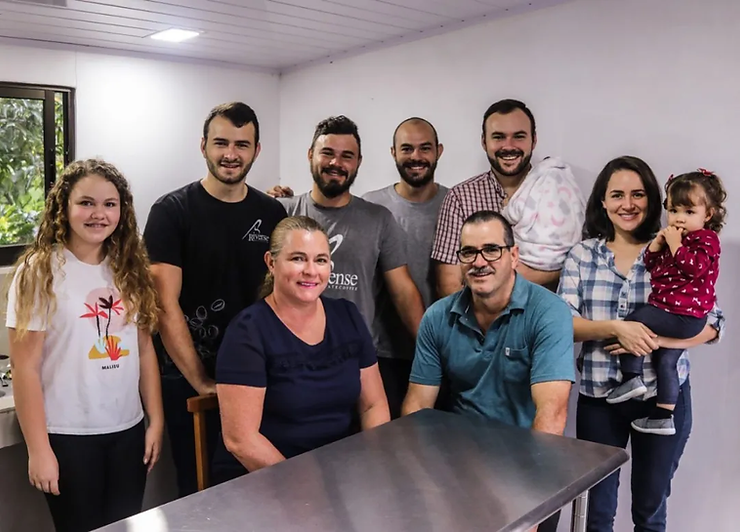
Wangshan Estate is located between the second-highest peak, Cerro Muerte, and the highest peak, Cerro Chirripó, in Costa Rica’s Brunca region in the south. Situated at an altitude of 1550–1600 meters, the estate’s unique terroir creates a microclimate ideal for coffee cultivation. Every time Régulo and his wife tended to the coffee trees, the breathtaking view of the distant Chirripó mountain range delighted them—inspiring the name “Wangshan,” meaning “Mountain-Gazing.”
Wangshan Estate operates as a small family-run coffee farm, committed to producing high-quality specialty coffee beans since its inception. In addition to the farm, they own their own wet mill, enabling them to independently produce micro-lots and dry-process coffee using either natural or honey methods. Initially, the Ureña Rojas family planted only Caturra and Catuaí varieties. As their expertise grew, they introduced new varieties such as Gesha. In 2015, Wangshan Estate earned 5th place in the 35th COE (Cup of Excellence) competition with a honey-processed Catuaí, drawing attention for its distinctive honey-processing technique.
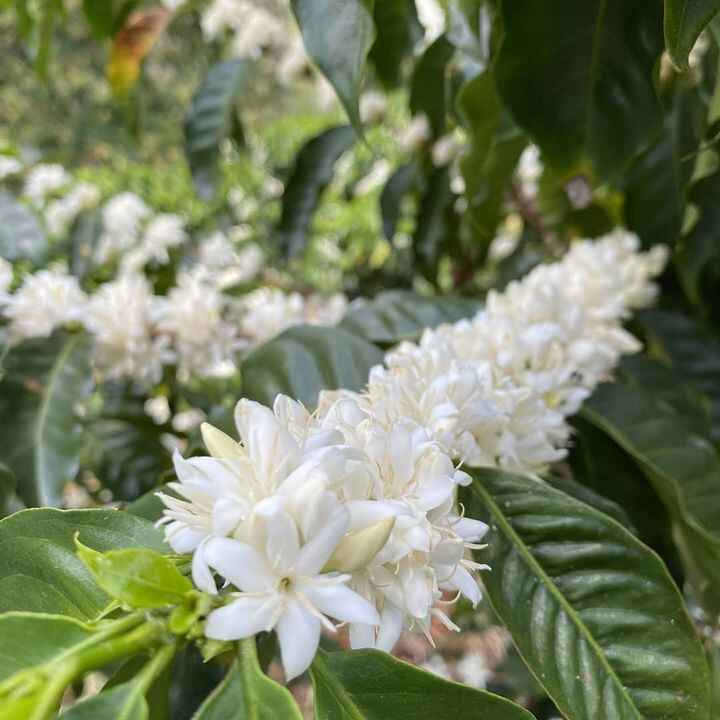
To this day, Wangshan Estate preserves a section of pristine forest that serves as habitat for diverse wildlife, helping protect the estate’s natural water resources and maintaining the overall coffee-growing environment. The owners uphold strong environmental principles—applying sustainable practices at every stage of coffee tree cultivation and green bean processing to minimize the carbon footprint. They apply organic fertilizers in doses tailored to soil composition, ensuring the coffee trees receive adequate nutrition while avoiding excessive chemical exposure—resulting in cleaner water on the estate. Additionally, the Ureña Rojas family plants various fruit trees to provide partial shade for the coffee trees, which also serve as food for local wildlife. The estate’s overall ecosystem is exceptionally well-suited for coffee tree growth.
Natural Process
Wangshan Estate sets strict harvesting standards, handpicking only fully ripe red cherries—the stage at which coffee cherries contain the highest sugar content.

After harvest, defective beans are removed, and the coffee cherries are spread on drying beds to undergo sun-drying. Because midday temperatures are high, workers regularly turn the cherries by hand to prevent negative over-fermentation. To avoid sudden rainfall at night, protective covers are used. Drying continues until the coffee cherries reach a moisture content of 11–12%. The beans are then rigorously sorted, standardized, packaged, and exported—ensuring buyers can trace detailed batch information.

Follow the official account and sendRead Full Article Free
Region Intro:
The Brunca production region is located in southern Costa Rica, at an altitude of 800m-1700m, with an average temperature of 22°C, and is home to 4200 coffee-growing areas (including farms and estates).
Brewing Tips:
Gesha variety coffee grown at high altitudes in Costa Rica falls under the SHB (Strictly Hard Bean) category. To highlight the coffee’s rich fruity layers, Front Street suggests using a higher brewing temperature and finer grind size. The harder the coffee bean, the finer the grind needed to increase extraction surface area and improve extraction efficiency.
Filter: V60
Water Temperature: 90–91°C
Coffee Dose: 15g
Coffee-to-Water Ratio: 1:15
Grind Size: Fine sugar-like (20-mesh sieve yields 78% throughput)
Brewing Method (Three-Pour): Place coffee grounds in the V60, pour double the coffee’s weight in water to saturate the grounds, and bloom for 30 seconds. Then, pour water in small streams in a circular motion from the center outward until reaching 125g—pause. When the coffee bed drops to about half the filter height, continue pouring the third pour with the same fine stream up to 225g until all the coffee has dripped through. Total brew time is approximately 2 minutes (±10 seconds).
Flavor Cup Report:
No content yet