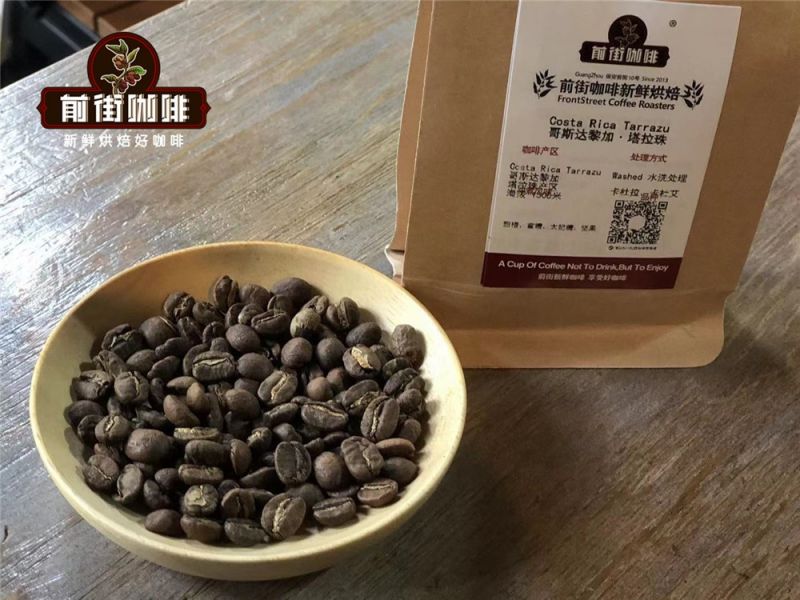
Origin
- Region: Costa Rica
- Variety: Dila Aji
- Process: Washed
- Roast: Cinnamon Roast
- Altitude: 1200-1300 meters
- Sample Batch:
- Grower:
Flavor Notes:
Flavor profile: The dry aroma features fermented fruit, berries, and grape notes. The wet aroma carries grape and floral scents. The cup offers citrus, lemon tea, and brown sugar flavors with a syrupy mouthfeel.
- Aroma: Medium
- Cleanliness: Medium
- Sweetness:Medium
- Acidity:Average
- Body:Average
- Bitterness:None
- Aftertaste:Slight
- After Cooling:Average
Dilla AlgheCoffee Bean Intro:
Coffea diversa Garden

Few people have probably heard of Coffea diversa Garden. In fact, this farm is located in a rather remote part of Costa Rica, at an altitude of 1200-1300 meters, in an area that traditionally does not produce coffee. Despite its favorable microclimate, soil, and elevation, its geographic inaccessibility has meant that only a few have attempted to grow coffee there.

It is very close to the summit of the Talamanca Mountains in La Amistad Park, and is influenced by both Atlantic and Pacific climates. This unique climate also contributes to the distinct flavors of the coffee grown here.
Unlike most coffee farms, Coffea diversa Garden operates under a “coffee garden” model. Rather than focusing on mainstream varieties like Bourbon, Caturra, or Typica, the farm cultivates many rare local and exotic varieties and their mutations, with over 700 different coffee varieties, plant species, cultivars, and mutations. Notably, most of the varieties grown here cannot be found anywhere else in the world, making it the only place commercially cultivating these rare types.

The owner of Coffea diversa Garden, Mr. Gonzalo Hernandez, is a native Costa Rican who has dedicated his life to the coffee industry. He has worked in nearly every aspect of the coffee business, from cultivation and processing to retail, opening coffee shops, green bean trading, and even coffee roasting.

As the saying goes, "the land shapes the people." Mr. Hernandez was exposed to coffee at an early age. Like other Costa Rican children 40 years ago, he picked coffee cherries during school breaks in the country’s coffee farms. Later, he attended university in Costa Rica and earned a degree in agronomy. After graduation, he worked at Costa Rica’s largest bank, providing loans and technical assistance to coffee farmers and processing plants in the southern region.
Mr. Hernandez has worked in coffee markets in Costa Rica, Guatemala, and Jamaica, and served as CEO of the Commercial Department of the Jamaican Coffee Industry Board from 2000 to 2003. Notably, he has also been involved in coffee retail at American coffee chains. It’s safe to say he is intimately familiar with every link in the coffee industry supply chain.
Since 2003, Mr. Hernandez has been sourcing and trading some of the most unique, rare, and exotic coffees from around the world. He owns the world’s largest private collection of coffee plant varieties, species, and cultivars—Coffea diversa Garden—where he produces numerous rare coffee plant mutations, which are supplied to the world’s most discerning green coffee importers and roasters.

Front Street Coffee is here to share a washed Dilla Alghe from Coffea diversa Garden.
The Dilla Alghe variety is also quite rare. Dilla Alghe is a wild Ethiopian coffee, named after its proximity to the town of Dilla Alghe. The Dilla Alghe tree is tall, with wide branch and bud spacing. Its young leaves or leaf tips are red, but it has low yield and is highly susceptible to disease.

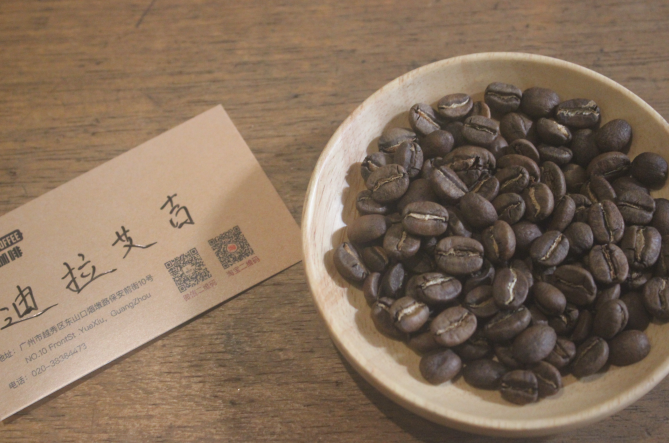
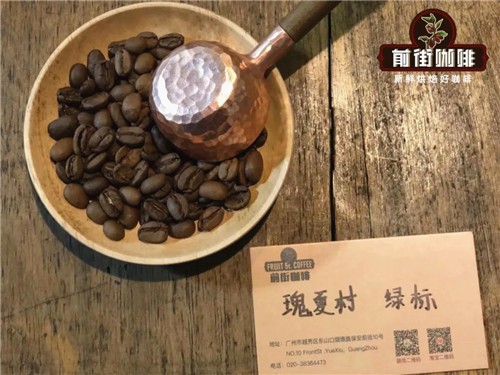
Observing the roasted beans, they are medium in size and relatively uniform overall.


Follow the official account and sendRead Full Article Free
Region Intro:
Costa Rica is located in Central America and was the first country in Central America where coffee was introduced and planted; it has a long history, and its coffee organizations have a complete system from production to sales.
Because it lies in the Central American isthmus, the volcanic soil is very fertile and well-drained, especially in the Central Plateau; here the coffee-growing areas sit on volcanic terrain with fertile volcanic ash, mild and suitable temperatures, and stable and abundant rainfall, which is one of the factors that have made coffee a major agricultural product.
Brewing Tips:
Recommended brewing method: pour over
Filter: v60
Water temperature: 90-92°C
Coffee dose: 15 grams
Brew ratio: 1:15
Grind size: medium-fine (80% through a 20-mesh sieve according to Chinese standards)
Brewing technique: pulse pouring
Start with a 30g bloom for about 30 seconds, then pour in 125g of water in small circular motions centered around the coffee bed. At the first pause when the water level is about to expose the coffee grounds, continue pouring to reach 225g total. Remove the filter when the water level is about to expose the coffee bed again. (Timing starts at bloom.) Total brew time: 2'00".
Flavor Cup Report:
No content yet