Ethiopian Yirgacheffe Worka Cooperative 72-hour Anaerobic Natural Coffee BeansCoffee Bean Intro:

Qianjie Worka Cooperative 72-hour Anaerobic Natural Coffee Beans
Country: Ethiopia
Region: Yirgacheffe Worka Cooperative
Processing Farm: Chelbessa
Elevation: 2100 meters
Roast Level: Light Roast
Processing Method: Anaerobic Natural
Variety: Local Heirloom
Grade: G1
Flavor: Floral, strawberry, tropical fruits, pineapple, fermented notes
The Yirgacheffe region stands out in the global specialty coffee market, with its bright white floral notes and vibrant citrus acidity making it a classic flavor profile, largely thanks to the washed processing method. Since 2020, some well-known traditional washed processing stations in the Yirgacheffe region have begun experimenting with innovative green bean processing methods. For example, the coffee beans introduced by Qianjie today come from the Worka Cooperative, which uses a 72-hour anaerobic natural process.

Yirgacheffe Yirgacheffe
Yirgacheffe has an elevation of nearly 2,000 meters, making it one of the highest-altitude coffee-growing regions in the world. Historically a wetland area, "Yirga" means "to settle down" and "Cheffe" means "wetland." Lake Turkana, Lake Abaya, and Lake Chew Bahir provide abundant moisture to the region. In the Great Rift Valley, represented by Misty Valley, fog shrouds the area year-round, creating a spring-like climate all year with gentle breezes, cool and humid conditions. Thousands of coffee trees thrive here, giving rise to Yirgacheffe’s unique terroir characterized by an intertwining of floral and fruity aromas.

Most Yirgacheffe coffee is grown using a garden-style model, where farmers harvest near their homes and then deliver the cherries to nearby processing facilities built near water sources for unified processing, before being sent to auction houses for official grading. As a result, many Yirgacheffe coffees on the market are named and distinguished by their processing farms or cooperatives, such as the Konga Cooperative, Guddina Cooperative, and the Worka Cooperative we are introducing today.
Worka Cooperative Worka cooperative
Established in 2005, the Worka Cooperative joined the Yirgacheffe Coffee Farmers Cooperative Union (YCFCU) in the same year and became known for producing high-quality Yirgacheffe. The cooperative is located in the Gedeb Zone, the southeasternmost part of Yirgacheffe, with over 400 members and is affiliated with the export company SNAP, established in 2017. The farm sits at an elevation between 1900 and 2200 meters.

In earlier years, coffee beans produced in this area were exported under the name Worka or processed by the Worka Cooperative. However, later on, individual single-origin sources were discovered, such as Banko Gotiti, Banko Dadhato, and Halo Bariti. Among them, the Gudina village was one of the first areas to be independently recognized. Many smallholder farmers were originally members of the Worka Cooperative, so its production capacity is naturally strong. The new-season coffee beans purchased by Qianjie this time come from the Chelbessa processing station of the Worka Cooperative.
The coffee farmers of the Worka Cooperative mainly grow local varieties such as Kurume, Welisho, and Dego. However, since these are always planted and harvested in mixed forms, they are not specifically distinguished and are therefore still classified as Heirloom Ethiopian native varieties.

72-hour Anaerobic Natural
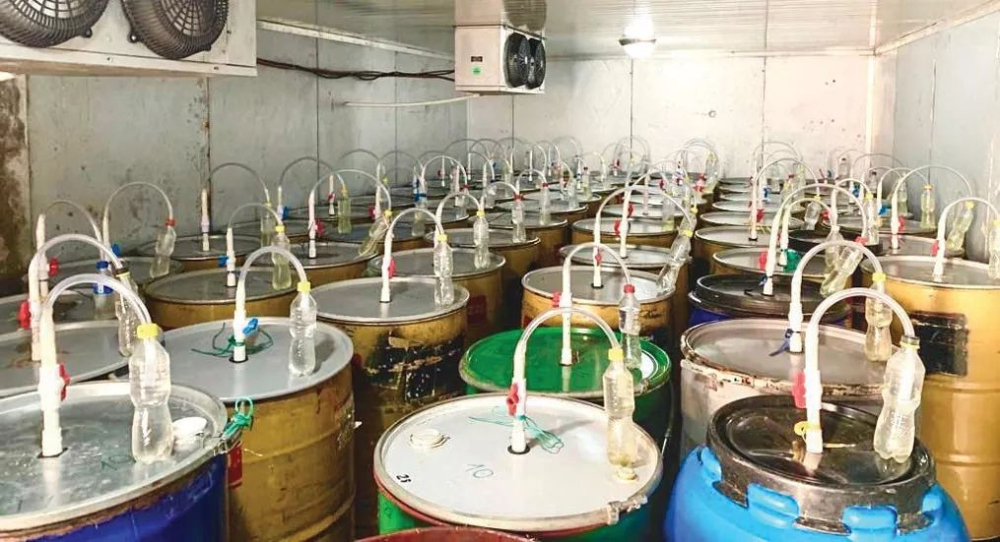
Anaerobic natural processing involves adding an anaerobic fermentation step before the sun-drying process. Members of the Worka Cooperative first manually sort the ripe coffee cherries delivered by smallholder farmers, remove defective beans, rinse them with clean water, and then place them in an oxygen-free environment for slow fermentation over 72 hours. This allows the sugars to reach their peak and generates some acidity and additional fruity aromas. After fermentation, the coffee cherries are spread out on drying beds to dry, taking about 2–3 weeks to reach the target moisture content before being sent for hulling and transported to Addis Ababa for final processing and export.
The floral aroma and bright fruity acidity are distinctive characteristics of Yirgacheffe. To highlight these traits, Qianjie’s roasters will use a medium-light roast to present the Worka Cooperative coffee beans.