Guatemala · New Oriental GeishaCoffee Beans
Origin
- Region: Guatemala New Oriente
- Variety: Geisha
- Process: Honey Process
- Roast: Light Roast
- Altitude: 1500-2050
- Sample Batch:
- Grower:
Flavor Notes:
Brew Profile: The first sip delivers Guatemala’s signature ‘sweet orange’ note, paired with toffee sweetness and delicate white florals. As it cools, a distinct honey texture emerges, the orange shifts to bergamot with a touch of acidity, adding layers of complexity.
- Aroma: Medium
- Cleanliness: Medium
- Sweetness:Medium
- Acidity:Medium
- Body:Medium
- Bitterness:None
- Aftertaste:Medium
- After Cooling:Medium
Guatemala · New Oriental GeishaCoffee Bean Intro:
Guatemala · New Oriental Region The entire country of Guatemala lies within the tropics. Its northern and eastern coastal plains have a tropical rainforest climate with annual rainfall of 2,000–3,000 mm, while the southern highlands experience a subtropical climate with annual rainfall of 500–1,000 mm. The year is divided into dry and wet seasons: the wet season runs from May to October, and the dry season from November to April of the following year. Notably, Guatemala is home to numerous volcanoes, meaning there is abundant volcanic soil ideal for coffee cultivation. This is why coffee has become one of the country’s key economic crops. 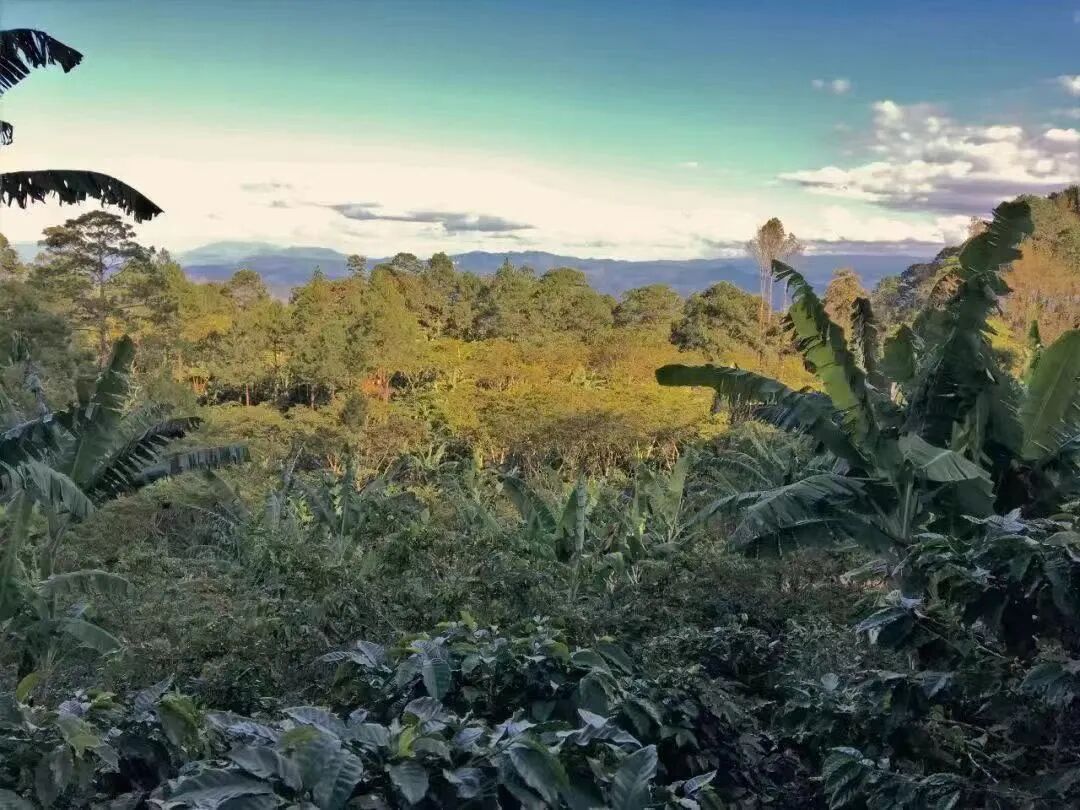
Coffee production across Guatemala is overseen by the ‘Guatemalan Coffee Association’ (Asociación Nacional del Café, abbreviated as Anacafé). Established in 1960, the association divides Guatemala’s coffee-growing regions into eight distinct zones based on flavor profiles and growing conditions: Antigua Classic, Huehuetenango, Rainforest Cobán, Traditional Atitlán, Fraijanes Plateau, Volcanic San Marcos, Acatenango, and New Oriental. The one we’re highlighting today is the youngest of them all—the ‘New Oriental Region.’ 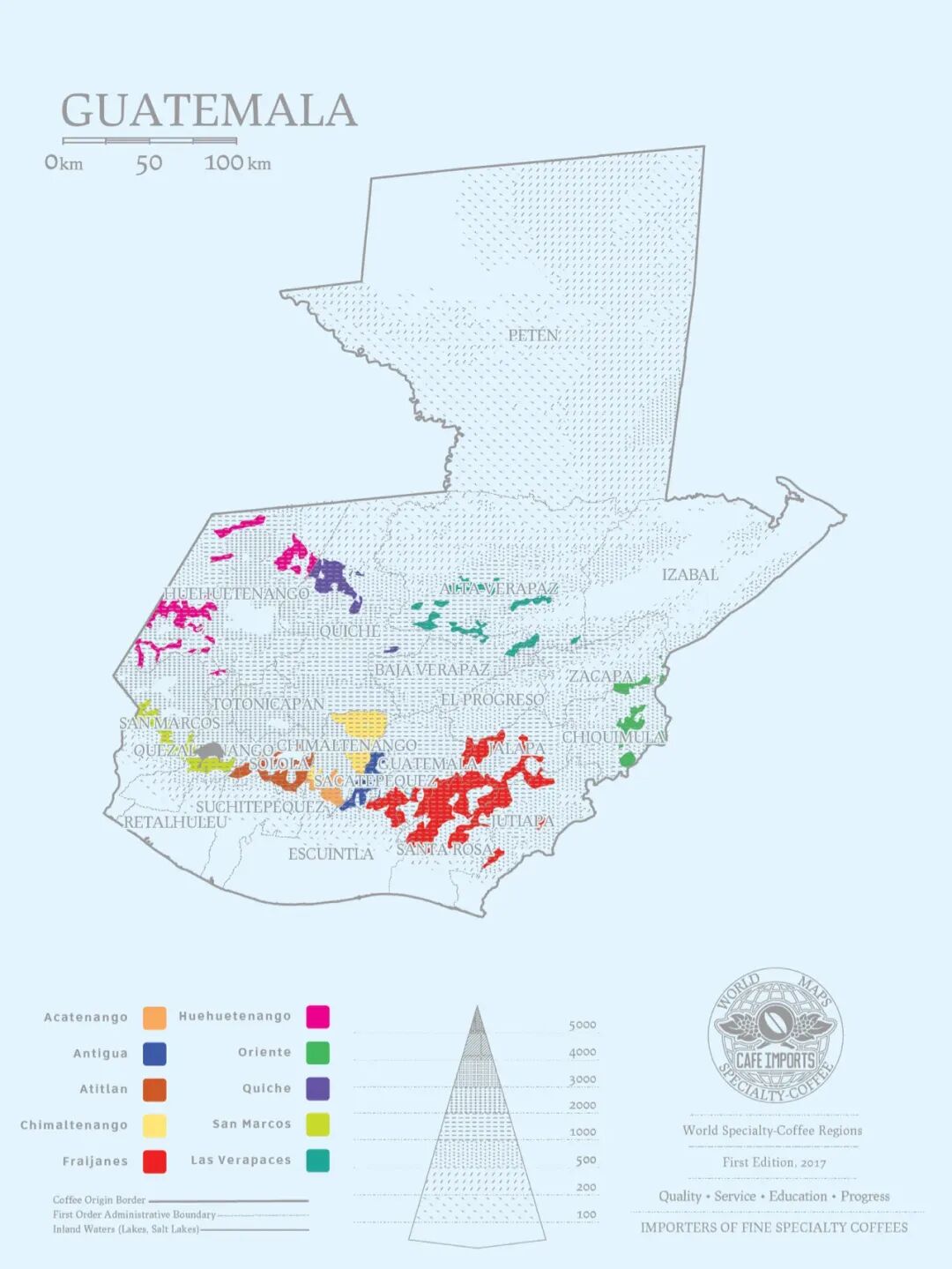
New Oriental is Guatemala’s newest coffee-growing region, blessed with abundant rainfall year-round. Its high elevation results in persistent light mist formed by dense cloud cover, leading to relatively shorter sunlight hours. In ancient times, New Oriental was a volcanic area, so its soil consists of metamorphic rocks rich in minerals. In short, this region offers exceptionally favorable conditions for coffee cultivation. As a result, the Geisha grown here not only boasts outstanding genetic traits but also benefits from the region’s multi-layered advantages, making its flavors truly remarkable. In 1931, Geisha was discovered in Ethiopia’s Kaffa Forest. However, at the time, the coffee industry prioritized quantity over quality, so the low-yield Geisha held little appeal or recognition. Thus, what should have been a prized treasure like gold remained overlooked for over 70 years. 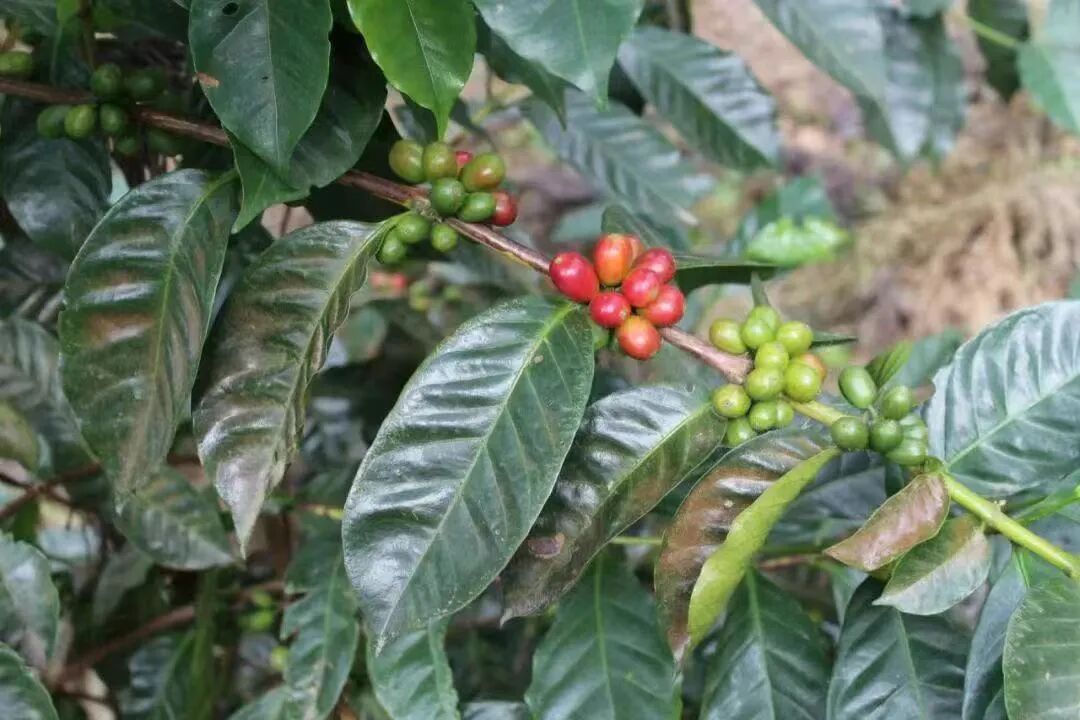
In 1936, Geisha was introduced from Ethiopia to Uganda and Tanzania. By 1953, it had crossed the ocean to Costa Rica in Central America. In 1970, Geisha from Costa Rica was brought to neighboring Panama. Then, the rise of the specialty coffee movement shifted focus toward coffee flavor profiles, moving the industry from yield-driven to quality-driven practices—finally giving Geisha a chance to shine. In 1990, while assessing losses from leaf rust, the Peterson family, owners of Hacienda Esmeralda, noticed that the neglected Geisha plants in the corner had suffered minimal damage. They immediately transplanted Geisha along with other unaffected varieties to higher elevations for mixed cultivation. It wasn’t until 2003 that they cupped a coffee with an explosive floral aroma, bright and layered flavors, and exceptional cleanliness. Upon investigation, they traced these remarkable qualities to the unassuming, low-yield Geisha plants. Amazed, the Hacienda Esmeralda team gave it a ‘luxury villa’ (a dedicated Geisha plot) and named it ‘Geisha’ (its original designation was T2722). They then entered it in the Best of Panama (BOP) competition. 。
In 2004, Hacienda Esmeralda shattered misconceptions about Geisha by dominating the competition. Everyone was stunned by its intense white floral notes. If you had been there, you’d have seen judges furrowing their brows, repeatedly sipping the same coffee in disbelief. They couldn’t believe a Panamanian bean could combine citrusy honey sweetness with such rich floral aromas while remaining incredibly clean. At the time, Central and South American coffees were dominated by nutty and cocoa notes, leading some to suspect it was actually a Yirgacheffe bean submitted under false pretenses. 
This sparked global interest, with countless countries importing it for domestic cultivation—and Guatemala was one of them. So, what Front Street Coffee brings you today is Geisha from Guatemala’s New Oriental Region. We’ve applied a medium-light roast to highlight the region’s and Geisha’s distinctive flavor characteristics.

Follow the official account and sendRead Full Article Free
Region Intro:
The New Oriente region is the youngest coffee-producing region among Guatemala's eight major regions. It has abundant rainfall and is under cloud shade for much of the year. In ancient times it was a volcanic area, and the soil here is made up of metamorphic rock, and therefore contains rich minerals. Before it began growing coffee, the New Oriente region was once the poorest area in Guatemala. Since the 1950s, farmers in the mountains have relied on this natural, nutrient-rich land to begin coffee cultivation, and slowly this place gradually came back to life. It has now become a rising star in Guatemala's coffee-growing industry.
Brewing Tips:
Front Street Coffee’s Brewing Recommendation
Filter: V60
Water Temperature: 92°C
Coffee Dose: 15g
Brew Ratio: 1:15
Grind Size: Granulated sugar (sift through a #20 sieve to 80% extraction)
Fold and place the filter in the V60, wet it lightly with water to secure it against the brewer, then discard the rinse water. Add coffee grounds, gently tap to level. First, pour 30g of water for a 30-second bloom. Then pour to 135g, circling steadily. Once the coffee bed drains halfway, pour to 225g. Total brew time is typically around 2 minutes.
Flavor Cup Report:
No content yet