Origin
- Region: Ethiopia
- Variety: Heirloom variety
- Process: Natural
- Roast: Cinnamon Roast
- Altitude: 2125m
- Sample Batch:
- Grower:
Flavor Notes:
Aroma of floral and passion fruit notes; flavor of tropical fruits, citrus, and orange, with a thick syrupy finish and pronounced sweetness.
- Aroma: Medium
- Cleanliness: Medium
- Sweetness:Medium
- Acidity:Medium
- Body:Medium
- Bitterness:Average
- Aftertaste:Medium
- After Cooling:Medium
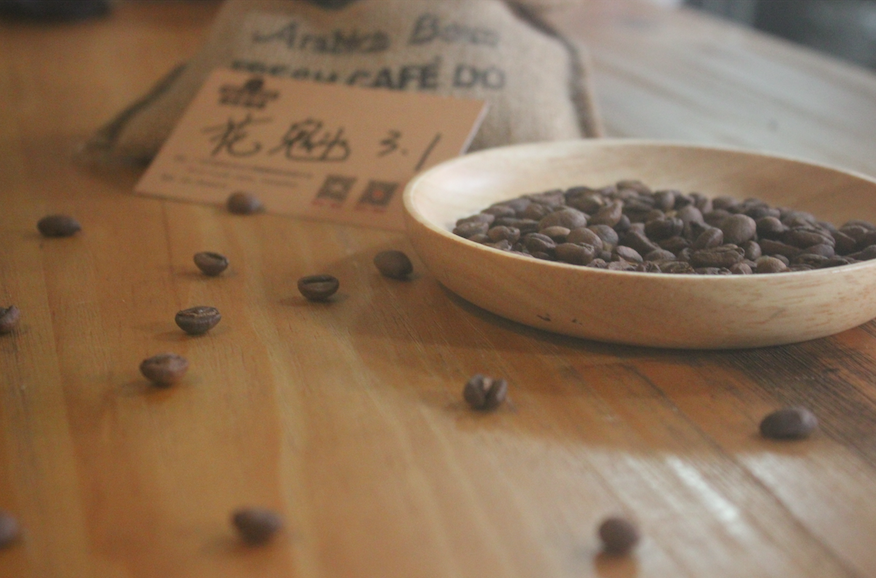
Huakui 3.1Coffee Bean Intro:
GuJi Hambella Natural G1
Guji Hambella · Huakui 3.1
Country of Origin: Ethiopia
Farm: Mansa Mountain Pond Processing Station
Variety: MANSA Native Variety
Elevation: 2125M
Grade: G1
Processing Method: Natural

Huakui is located in Hambella, within Ethiopia’s largest coffee-growing region, Guji, which administratively belongs to the Oromia Region. The western part of Hambella faces Kochore in Yirgacheffe across the mountains, while its southeast and north border the Shakiso, Uraga, and Kercha sub-regions of Guji, making it the highest-altitude coffee sub-region in Ethiopia (Harrar is the highest-altitude main production area). There are currently nearly 20 processing stations of various sizes in the Hambella region, and the four core estate processing stations in the central Hambella region are: "Dire" Church Processing Station, "Mansa" Mountain Pond Processing Station, "Bobea" Red Flag Processing Station, and "Goro Baessa" Mountain Spring Processing Station. Today’s Huakui 3.1 comes from the "Mansa" Mountain Pond Processing Station among these four core estate processing stations in central Hambella.
Awards Won by Huakui
2016/2017 Winner of the Ethiopia National Taste of Harvest Competition (Ethiopian Coffee Competition) during the harvest season
2017 Regional Africa Taste of Harvest Competition Runner-up in the African Coffee Bean Competition.
How Did the Name "Huakui" Come About?
In 2017, Ethiopia’s DW green bean company submitted their coffee beans to the TOH (Taste of Harvest) competition hosted by the African Coffee Association. The natural batch won the TOH Ethiopia championship. This batch of green beans was named "Huakui" as the champion.
Huakui is located in Hambella, within Ethiopia’s largest coffee-growing region, Guji, which administratively belongs to the Oromia Region. The western part of Hambella faces Kochore in Yirgacheffe across the mountains, while its southeast and north border the Shakiso, Uraga, and Kercha sub-regions of Guji, making it the highest-altitude coffee sub-region in Ethiopia (Harrar is the highest-altitude main production area).
In 2016, when "Huakui" was launched, it quickly gained popularity among consumers. Over the past four years, with the release of Huakui 2.0 and Huakui 3.0, the Huakui series has become a standout product for Le Bunna and a target for market imitation. Tree variety and microclimate, as the two natural factors determining coffee flavor, have always been the focus of exploration for Le Bunna, rooted in Ethiopia’s coffee-growing mountains. Since 2017, they have initiated the "Ethiopian Native Variety Exploration Project" to explore the mysterious genetic treasure trove of Ethiopian native varieties. The Huakui 2.0 produced at the end of 2018 came from symmetrically growing coffee trees at the top of GUJI HAMBELLA (Guji Hambella), resulting in a cleaner and more prominent origin flavor. At the same time, they conducted research across various Ethiopian production regions, continuously studying the growth patterns and processing methods of mountain coffee. One discovery was in the familiar GUJI HAMBELLA region, where a new and neatly arranged coffee plantation was found in the MANSA area on the mountainside. The coffee cherries grown there were large and sweet, significantly different from the nearby "small-bean" coffee beans. As a result, they invested in building the MANSA Mountain Pond Processing Station in the mountainside valley, began testing the processing of these large beans, and launched an experimental micro-lot called "Dreamy Mansa" in early 2018, receiving high praise for its flavor from domestic coffee professionals. This year, the natural Mansa bulk product was officially launched, and as a continuation of the craftsmanship of veteran farmer Old Li, it was named "Huakui 3.1." / Variety (MANSA Native Variety) The MANSA native variety was discovered through research to be a new plantation planted after 2000. Led by the Ethiopian government, the Jimma Coffee Research Center carefully selected "large-bean" coffee tree varieties from the Kaffa Gesha Mountains, cultivated seedlings in the MANSA region, and distributed them free of charge to farmers in the MANSA region before the rainy season to replace local wild old coffee trees. / Processing Method (Natural) [Huakui] only selects fully red, ripe coffee cherries, all hand-picked, sun-dried on African raised beds with controlled fruit layer thickness and 24-hour regular turning. The estate’s unique natural environment allows for low-temperature fermentation.
During the harvesting and processing season (December to January), the unique growing environment and natural climate create the distinctive flavor of Huakui. The harvested red cherries must reach a sugar content of 30 or above before sun-drying. In the first two days of sun-drying, the moisture of the red cherries is maintained to allow the fruit sugars to fully initiate the fermentation reaction. Meanwhile, the high-altitude location ensures that nighttime temperatures at the processing station can drop to around 12°C, preventing excessive fermentation odors due to high temperatures. Shading is applied during midday when temperatures are higher to prevent sunburn on the red cherries.

Follow the official account and sendRead Full Article Free
Region Intro:
Ethiopia is located in a land full of wonders, and all the Arabica coffees we have or have not tasted originate here.
Documented historical evidence of coffee in Ethiopia dates back to the 4th-5th centuries AD. At that time, due to wars between ethnic groups, coffee spread with people's conquests and migrations to Yemen on the Arabian Peninsula. Later, with the rise of the Ottoman Empire and the spread of Islam, through various circumstances, Europe began to have coffeehouses and the coffeehouse culture that gradually formed along with them. Subsequently, Central America began to cultivate coffee, and India and Indonesia in Asia began large-scale commercial coffee cultivation. Having gone through several hundred years in this way, we have only now arrived at today's third wave of specialty coffee.
Brewing Tips:
Recommended Brewing Method: Pour Over Vessel: V60 Water Temperature: 90-92°C Coffee Dose: 15g Coffee-to-Water Ratio: 1:15 Grind Size: Medium-Fine (80% through a 20-mesh sieve according to Chinese standards) Brewing Technique: Pulse Pouring Bloom with 30g of water for about 30 seconds, then pour 125g of water in small circles centered around the coffee bed. When the water level drops close to exposing the coffee bed, continue pouring to 225g total. Remove the V60 when the water level is about to expose the coffee bed. (Timing starts at bloom) Total brew time: 2’00”.