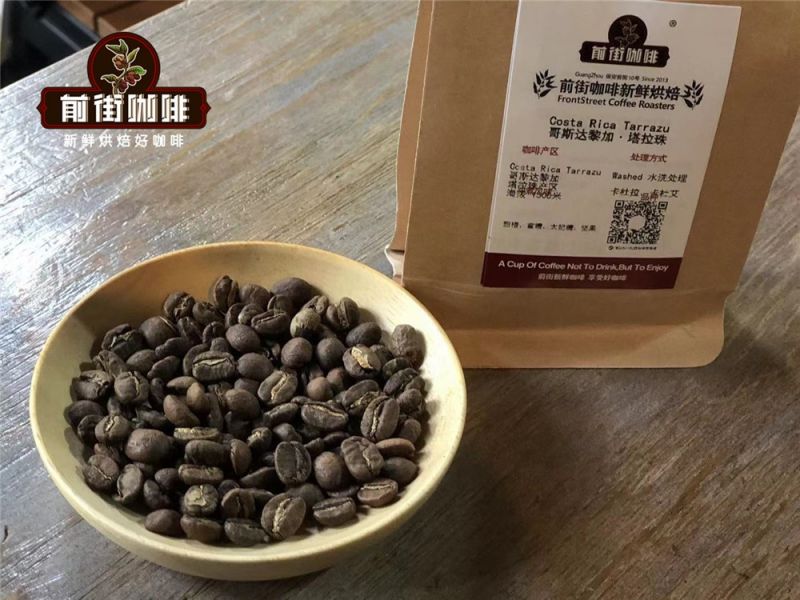
Origin
- Region: Costa Rica
- Variety: Liberica
- Process: Natural
- Roast: Cinnamon Roast
- Altitude:
- Sample Batch:
- Grower:
Flavor Notes:
Flavor profile: The dry aroma carries notes of fermentation, jackfruit, and subtle chocolate. The wet aroma is rich with fermented fruit. The cup opens with sour notes of starfruit, tropical fruits, and jackfruit, followed by a barley tea mouthfeel and rose floral tones.
- Aroma: Strong
- Cleanliness: Average
- Sweetness:Medium
- Acidity:Medium
- Body:Medium
- Bitterness:None
- Aftertaste:Medium
- After Cooling:Medium
LibericaCoffee Bean Intro:
Those who know a bit about coffee should be aware that coffee beans are divided into three main types: Arabica (the small-bean variety), Robusta (the medium-bean variety), and Liberica (the large-bean variety). Varieties like Typica, Geisha, and Bourbon all belong to the Arabica species. Arabica and Robusta are probably well-known to many, but today, Best Coffee wants to introduce the large-bean variety among the three—Liberica coffee.

Liberica Coffee Leberica
Most coffee trade is dominated by Arabica and Robusta, while Liberica currently accounts for only 1% of the world’s economically cultivated coffee production, making it extremely rare.

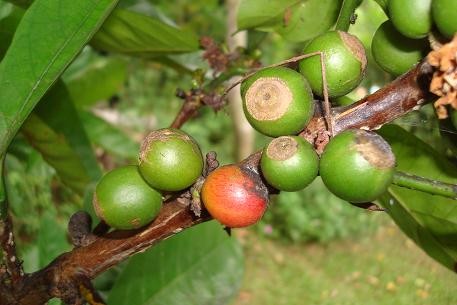
Liberica was first discovered in West Africa’s Liberia. Liberica coffee trees are taller than both Arabica and Robusta trees, and the Liberica variety has stronger disease resistance and environmental adaptability. Visually, Liberica leaves are larger than those of typical coffee species. The coffee cherries are also much larger than usual, with thick skins that make it difficult to remove the pulp during post-harvest processing, adding complexity to the process.


Some farms do grow small amounts of Liberica coffee, planting them around Arabica coffee to attract coffee berry borers or other pests away from the Arabica plants.

Liberica coffee trees have been grown in the semi-wild environment of Borneo, Malaysia, for many years. Ancient records indicate that in 1892, leaf rust disease in Sri Lanka severely damaged local coffee production, prompting British colonists to seek fertile land for coffee cultivation and settle on Borneo. However, coffee cultivation there was eventually abandoned in favor of more profitable crops like tea, pepper, and rubber, leaving only a small number of Liberica trees.
In 2018, premium Liberica from Borneo made its debut at the Stuttgart Coffee Summit in Germany and won an award for green coffee bean quality.

Follow the official account and sendRead Full Article Free
Region Intro:
Costa Rica is located in Central America and was the first country in Central America where coffee was introduced and planted; it has a long history, and its coffee organizations have a complete system from production to sales.
Because it lies in the Central American isthmus, the volcanic soil is very fertile and well-drained, especially in the Central Plateau; here the coffee-growing areas sit on volcanic terrain with fertile volcanic ash, mild and suitable temperatures, and stable and abundant rainfall, which is one of the factors that have made coffee a major agricultural product.
Brewing Tips:
Recommended brewing method: Pour-over
Filter: V60
Water temperature: 90-92°C
Coffee dosage: 15g
Coffee-to-water ratio: 1:15
Grind size: Medium-fine (80% through a 20-mesh sieve according to Chinese standards)
Brewing technique: Pulse pouring
Bloom with 30g of water for about 30 seconds, then pour in 125g of water in small circular motions centered around the grounds. Pause when the water level drops to near the bed, then continue pouring to 225g total. Remove the filter when the water level is about to expose the bed. (Start timing at bloom.) Total brew time: 2'00".
Flavor Cup Report:
No content yet