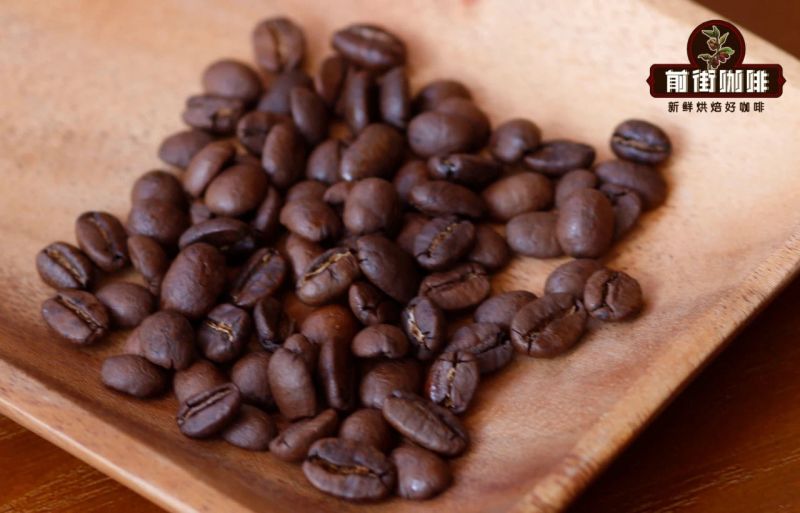
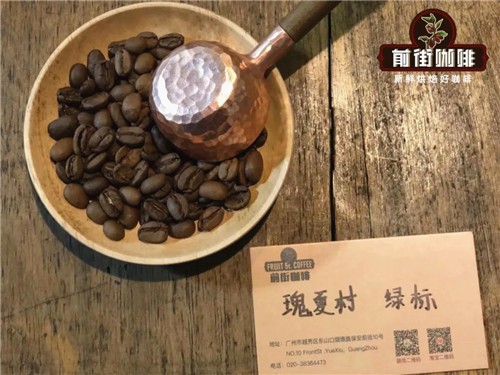
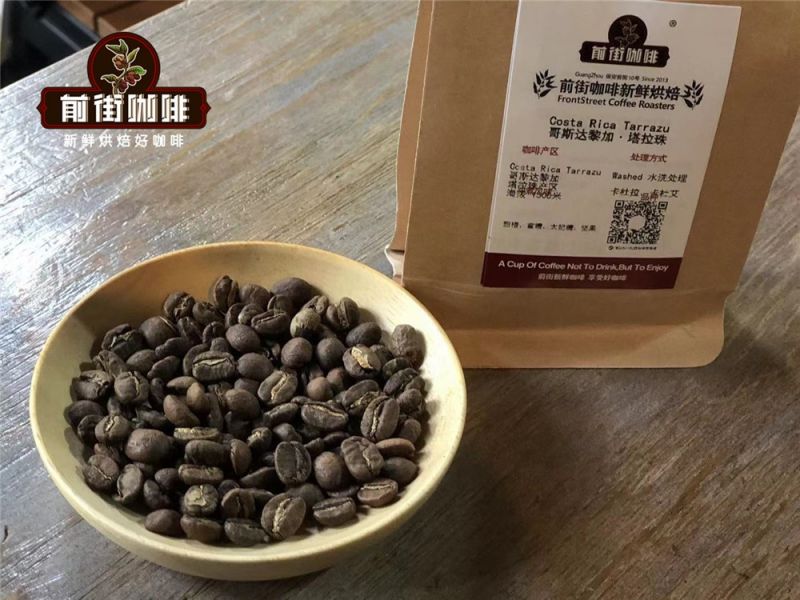
Nutty Pie BlendCoffee Bean Intro:

Up to now, the majority of coffee shops still feature espresso blends as their flagship products. The reason why blend beans have become the market mainstream is not only to reduce raw material costs but also to provide stable extraction for daily service and to ensure the flavor of drinks based on espresso as much as possible. In short, coffee shops choose blends for consistent and uniform output standards.
What is an espresso blend?
In the early days when espresso became popular, coffee shops around the world used single-origin beans, such as Mocha coffee or Brazil coffee. Since it was taken for granted, no one emphasized or explained it much. As coffee consumption demand increased, coffee beans from various origins became inconsistent in quality, with unstable yields, quality, or flavors. To avoid risks in extraction caused by these factors, some businesses began blending beans from different origins to complement each other.

At the same time, producers would also use dark roasting to eliminate unpleasant tastes and acidity, so even if batches from certain origins were of lower quality, dark roasting could mask their flaws, and the resulting crema would be richer. Therefore, before the specialty coffee wave arrived, the raw materials for making espresso were generally blends of beans from two or more origins, without much emphasis on origin or batch. As for flavor, it was mostly fixed to bitter notes like caramel, dark chocolate, nuts, cream, and cocoa.
Frontier hopes that every friend who visits Frontier Coffee can enjoy a consistently stable and flavorful shot of espresso or milk coffee every time. That’s why the espresso they serve is made from a blend of Ethiopian Natural Red Cherry and Honduran Whisky Barrel Sherry, designed to produce a distinct and prominent espresso or milk coffee.

Frontier Coffee Purpose of Blending Coffee Beans :
1. Achieve Long-Term Stable Flavor
Even within the same origin, different seasons or even batches within a year can produce varying flavors, which is where the downside of single-origin beans is exposed. You can’t confidently guarantee that you’ll get the same great-tasting single-origin coffee next year (except for beans where processing methods dominate the flavor, and other factors between origin and coffee shop can also cause differences in taste). Therefore, one purpose of blending is to create a product that can be supplied long-term with consistently stable flavor. When one of the beans in the blend fails to meet quality requirements or changes in a new season, a similar bean can be found as a substitute to maintain stability.

2. Create Flavors That Single-Origin Beans Cannot Achieve
Sometimes, single-origin beans are like individuals—they have strengths and weaknesses. Blending is like forming a team, leveraging each other’s strengths to compensate for weaknesses, achieving a synergistic effect. For example, blending a sweeter bean with a more acidic one to achieve a balanced sweet-and-sour profile, or adding some Brazilian beans to enhance overall body. These are all purposes of blending.
3. Then Frontier Determines the Target Flavor of the Blend
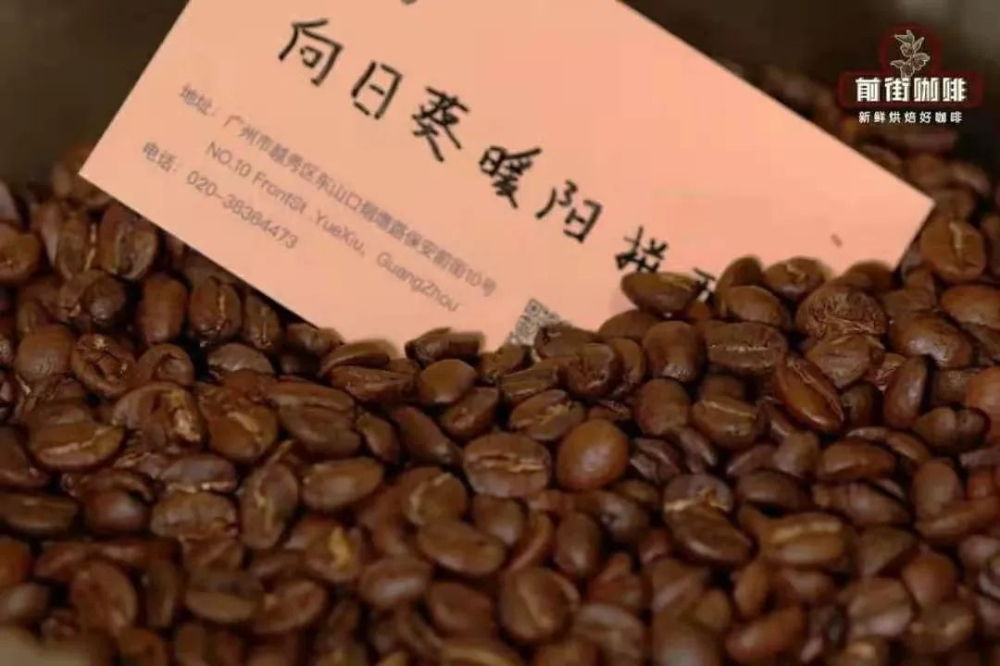
When Frontier Coffee was formulating the Warm Sun Blend, we had a clear goal: to create a blend with a wine-like aroma. So, we immediately included three candidates known for their wine barrel fermentation and distinct wine-like flavors: Honduran Sherry Barrel, Honduran Ligia Blue Mountain, and Colombian San Jose. After multiple trials and considerations like cost-effectiveness, we ultimately chose Honduran Sherry Barrel as the dominant note of the Warm Sun Blend.
4. Finally, Frontier Determines the Blend Type
The advantage of pre-blending (green bean blending) is that it allows for the same roast level to achieve uniform stability, and secondly, it reduces the number of roasts—just one roast is enough, improving efficiency. However, the downside of pre-blending is also obvious: it has significant limitations. Generally, pre-blending is recommended only for beans with similar densities, such as blending a bean suitable for light roasting with one suitable for dark roasting and roasting them together at the same level, which can easily result in a 1+1<1 effect.
The advantage of post-blending (roasted bean blending) is that each bean can be roasted to its optimal level, maximizing its unique characteristics. But the downside is that daily quality control and management become more challenging, and inconsistent roast dates require more attention to resting periods. Imagine using 4–5 beans in a post-blend—this product would need to track 4–5 different roast dates. Frontier Coffee uses post-blending for the Warm Sun Blend, roasting Honduran Sherry Barrel and Ethiopian Natural Yirgacheffe Red Cherry separately to maximize the wine-like aroma of the Sherry Barrel beans while preserving the fruity acidity and citrus-berry notes of the Yirgacheffe.
When selecting blend beans and formulating recipes, Frontier Coffee first determines the desired coffee characteristics, including sweetness, acidity, bitterness, body expectations, flavor profiles, and whether the final product will be a milk-based drink, Americano, or espresso. These factors are considered when selecting green beans, determining roast methods, and finalizing the recipe. Moreover, the recipe undergoes multiple rounds of testing, adjustments, retesting, and readjustments before being finalized.

For beginners with little coffee-making experience, using an espresso blend is clearly more advantageous for making a good latte. In terms of extraction, Frontier recommends choosing more stable espresso blends. Blends typically combine flavors from different origins and use medium or darker roasts, making it easier to extract rich crema (high-crema beans are better for milk coffee). This results in a thicker, richer espresso shot with a higher margin for error. Additionally, most espresso blends are supplied for café use and are relatively more affordable compared to single-origin beans of similar flavor profiles, offering great value for money.
Coffee Bean: Sunflower · Warm Sun Blend
Coffee Powder: 20g
Coffee Liquid: 40g
Powder-to-Liquid Ratio: 1:2
Extraction Time: 26–32 seconds
Grind Setting: Galileo 2.0

The coffee machine used by Frontier has a double-shot basket capacity, requiring 20g of coffee powder each time, with a powder-to-liquid ratio of 1:2—producing 40g of coffee liquid within a reasonable time. Extraction time relates to the flow rate of the coffee powder, typically controlled between 20–35 seconds per shot. Under 20 seconds, the flavor tends to be thin and bland, while over 35 seconds risks over-extraction, leading to burnt, bitter notes. Thus, Frontier keeps espresso extraction time between 26–32 seconds.

Before extraction, dry the portafilter, grind double shots of coffee powder, weigh it on a scale, and adjust until it reaches 20g. Use a distribution tool to level the grounds, then tamp firmly with a tamper to ensure stable extraction.
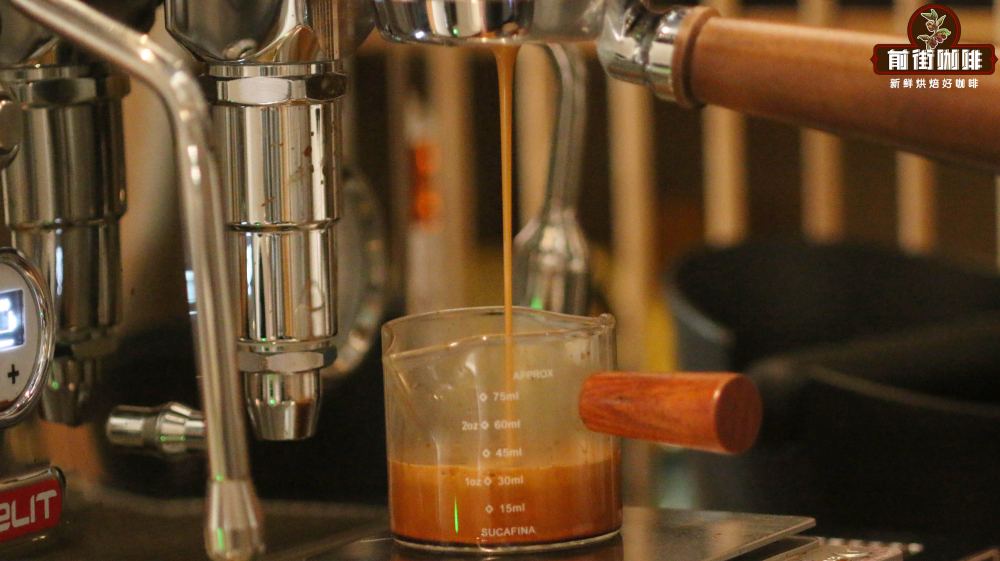
Then, open the extraction switch to run water for 1–2 seconds to wet the group head and remove any stuck coffee grounds. Place an electronic scale under the espresso cup, tare it to zero, and position it under the group head during extraction.

Gently lock the portafilter into the group head and start the extraction. Observe the extraction: when the scale shows 40g of coffee liquid (around 30 seconds), stop the extraction. Brewing parameters vary slightly daily due to humidity and bean conditions, so adjustments to powder amount, grind setting, and liquid yield may be needed.
Flavor Cup Report:
Up to now, the majority of coffee shops still feature espresso blends as their flagship products. The reason why blend beans have become the market mainstream is not only to reduce raw material costs but also to provide stable extraction for daily service and to ensure the flavor of drinks based on espresso as much as possible. In short, coffee shops choose blends for consistent and uniform output standards.
What is an espresso blend?
In the early days when espresso became popular, coffee shops around the world used single-origin beans, such as Mocha coffee or Brazil coffee. Since it was taken for granted, no one emphasized or explained it much. As coffee consumption demand increased, coffee beans from various origins became inconsistent in quality, with unstable yields, quality, or flavors. To avoid risks in extraction caused by these factors, some businesses began blending beans from different origins to complement each other.
At the same time, producers would also use dark roasting to eliminate unpleasant tastes and acidity, so even if batches from certain origins were of lower quality, dark roasting could mask their flaws, and the resulting crema would be richer. Therefore, before the specialty coffee wave arrived, the raw materials for making espresso were generally blends of beans from two or more origins, without much emphasis on origin or batch. As for flavor, it was mostly fixed to bitter notes like caramel, dark chocolate, nuts, cream, and cocoa.
Frontier hopes that every friend who visits Frontier Coffee can enjoy a consistently stable and flavorful shot of espresso or milk coffee every time. That’s why the espresso they serve is made from a blend of Ethiopian Natural Red Cherry and Honduran Whisky Barrel Sherry, designed to produce a distinct and prominent espresso or milk coffee.
Frontier Coffee Purpose of Blending Coffee Beans :
1. Achieve Long-Term Stable Flavor
Even within the same origin, different seasons or even batches within a year can produce varying flavors, which is where the downside of single-origin beans is exposed. You can’t confidently guarantee that you’ll get the same great-tasting single-origin coffee next year (except for beans where processing methods dominate the flavor, and other factors between origin and coffee shop can also cause differences in taste). Therefore, one purpose of blending is to create a product that can be supplied long-term with consistently stable flavor. When one of the beans in the blend fails to meet quality requirements or changes in a new season, a similar bean can be found as a substitute to maintain stability.
2. Create Flavors That Single-Origin Beans Cannot Achieve
Sometimes, single-origin beans are like individuals—they have strengths and weaknesses. Blending is like forming a team, leveraging each other’s strengths to compensate for weaknesses, achieving a synergistic effect. For example, blending a sweeter bean with a more acidic one to achieve a balanced sweet-and-sour profile, or adding some Brazilian beans to enhance overall body. These are all purposes of blending.
3. Then Frontier Determines the Target Flavor of the Blend
When Frontier Coffee was formulating the Warm Sun Blend, we had a clear goal: to create a blend with a wine-like aroma. So, we immediately included three candidates known for their wine barrel fermentation and distinct wine-like flavors: Honduran Sherry Barrel, Honduran Ligia Blue Mountain, and Colombian San Jose. After multiple trials and considerations like cost-effectiveness, we ultimately chose Honduran Sherry Barrel as the dominant note of the Warm Sun Blend.
4. Finally, Frontier Determines the Blend Type
The advantage of pre-blending (green bean blending) is that it allows for the same roast level to achieve uniform stability, and secondly, it reduces the number of roasts—just one roast is enough, improving efficiency. However, the downside of pre-blending is also obvious: it has significant limitations. Generally, pre-blending is recommended only for beans with similar densities, such as blending a bean suitable for light roasting with one suitable for dark roasting and roasting them together at the same level, which can easily result in a 1+1<1 effect.
The advantage of post-blending (roasted bean blending) is that each bean can be roasted to its optimal level, maximizing its unique characteristics. But the downside is that daily quality control and management become more challenging, and inconsistent roast dates require more attention to resting periods. Imagine using 4–5 beans in a post-blend—this product would need to track 4–5 different roast dates. Frontier Coffee uses post-blending for the Warm Sun Blend, roasting Honduran Sherry Barrel and Ethiopian Natural Yirgacheffe Red Cherry separately to maximize the wine-like aroma of the Sherry Barrel beans while preserving the fruity acidity and citrus-berry notes of the Yirgacheffe.
When selecting blend beans and formulating recipes, Frontier Coffee first determines the desired coffee characteristics, including sweetness, acidity, bitterness, body expectations, flavor profiles, and whether the final product will be a milk-based drink, Americano, or espresso. These factors are considered when selecting green beans, determining roast methods, and finalizing the recipe. Moreover, the recipe undergoes multiple rounds of testing, adjustments, retesting, and readjustments before being finalized.
For beginners with little coffee-making experience, using an espresso blend is clearly more advantageous for making a good latte. In terms of extraction, Frontier recommends choosing more stable espresso blends. Blends typically combine flavors from different origins and use medium or darker roasts, making it easier to extract rich crema (high-crema beans are better for milk coffee). This results in a thicker, richer espresso shot with a higher margin for error. Additionally, most espresso blends are supplied for café use and are relatively more affordable compared to single-origin beans of similar flavor profiles, offering great value for money.
Coffee Bean: Sunflower · Warm Sun Blend
Coffee Powder: 20g
Coffee Liquid: 40g
Powder-to-Liquid Ratio: 1:2
Extraction Time: 26–32 seconds
Grind Setting: Galileo 2.0
The coffee machine used by Frontier has a double-shot basket capacity, requiring 20g of coffee powder each time, with a powder-to-liquid ratio of 1:2—producing 40g of coffee liquid within a reasonable time. Extraction time relates to the flow rate of the coffee powder, typically controlled between 20–35 seconds per shot. Under 20 seconds, the flavor tends to be thin and bland, while over 35 seconds risks over-extraction, leading to burnt, bitter notes. Thus, Frontier keeps espresso extraction time between 26–32 seconds.
Before extraction, dry the portafilter, grind double shots of coffee powder, weigh it on a scale, and adjust until it reaches 20g. Use a distribution tool to level the grounds, then tamp firmly with a tamper to ensure stable extraction.
Then, open the extraction switch to run water for 1–2 seconds to wet the group head and remove any stuck coffee grounds. Place an electronic scale under the espresso cup, tare it to zero, and position it under the group head during extraction.
Gently lock the portafilter into the group head and start the extraction. Observe the extraction: when the scale shows 40g of coffee liquid (around 30 seconds), stop the extraction. Brewing parameters vary slightly daily due to humidity and bean conditions, so adjustments to powder amount, grind setting, and liquid yield may be needed.