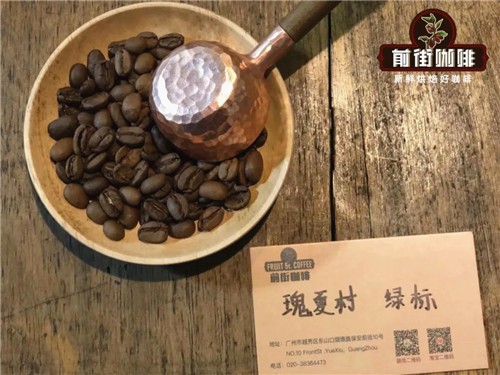
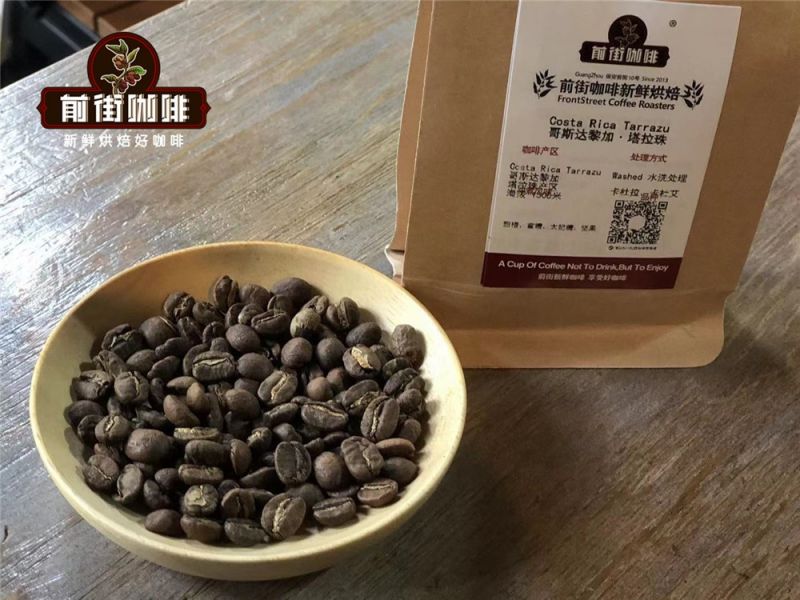
Panama · Deborah Estate Morgan Estate GeishaCoffee Beans
Origin
- Region: Panama Volcan Region
- Variety: Geisha
- Process: Carbonic Maceration Washed
- Roast: Cinnamon Roast
- Altitude: 1850 meters
- Sample Batch: 2024
- Grower: Deborah Estate
Flavor Notes:
In the aroma stage, Front Street detected hints of spices, sparking curiosity about the coffee’s flavor. This is followed by the fresh scent of citrus peel and the taste of green grapes. After breaking the crust, the tasting begins. The first sip immediately reveals the rich sweetness of sugarcane, followed by the juicy sweetness of pears and longan. The aftertaste gradually unveils the clean aroma of oolong tea, with extremely high clarity, a smooth and light mouthfeel, and a long-lasting finish.
- Aroma: Medium
- Cleanliness: Strong
- Sweetness:Medium
- Acidity:Slight
- Body:Average
- Bitterness:None
- Aftertaste:Average
- After Cooling:Medium
Panama · Deborah Estate Morgan Estate GeishaCoffee Bean Intro:

Front Street Coffee: Panama · Deborah Estate · Savage Series Geisha Shiny Processing Method: Carbonic Maceration Washed Flavor: Longan, sugarcane, green grapes, guava, oolong tea aroma
BOP is the most prestigious green coffee competition in Panama. Every year, this event gathers countless renowned Panamanian farms to compete for the top spot. Winners not only earn corresponding prestige but also secure considerable income through post-competition auctions. Therefore, participating in BOP is a choice that offers nothing but benefits for all Panamanian coffee estates. However, in Panama, there is one estate that never participates in this fame-boosting BOP competition. Yet, its reputation remains on par with those shining stars in the competition. So today, Front Street still shares the legendary story of a top-tier Panamanian Geisha estate. And the protagonist of this story is — 'Deborah Estate.' 
Deborah Estate (Deborah) was established in 2006 by Mr. Jamison Savage (Jamison Savage). Like most Panamanian coffee estate owners, Mr. Jamison Savage is not a native Panamanian. He was born in the United States and was originally a banker. It wasn’t until he met and married his Panamanian wife that he immigrated to Panama and began working in the coffee industry. 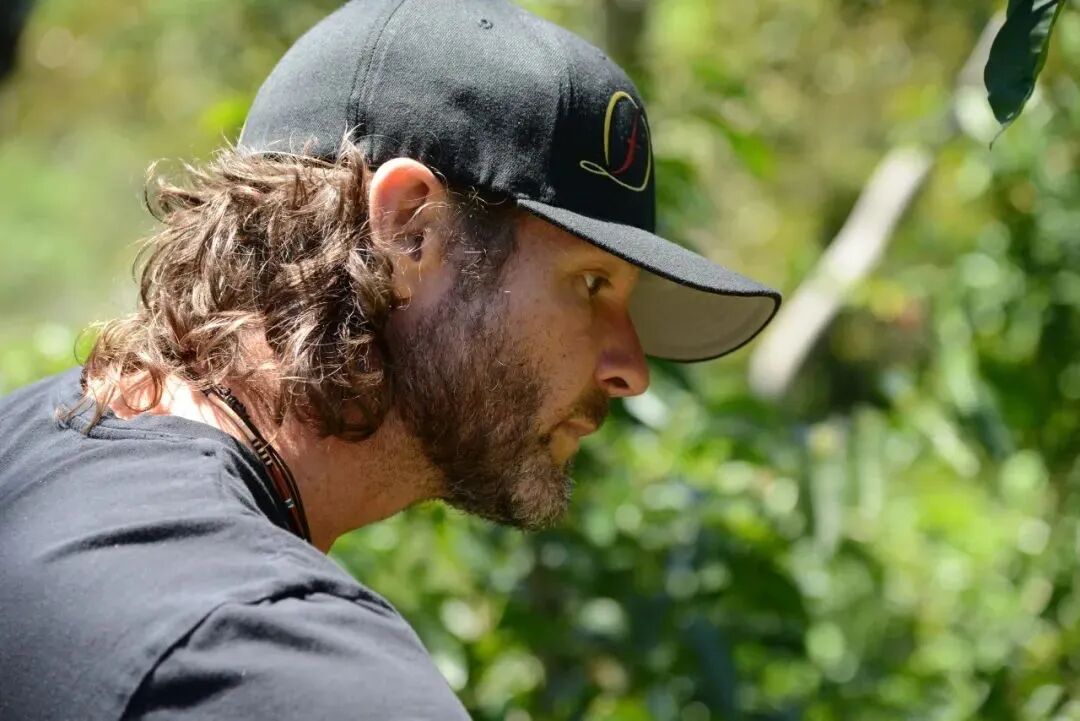
Deborah Estate is located in the Volcan Region, one of Panama’s three major coffee regions, nestled within the tropical rainforest deep in the resource-rich Barú Volcano area. It not only boasts fertile volcanic soil, but also enjoys abundant rainfall, with an annual precipitation of up to 2200 mm. The elevation of Deborah Estate is above 1900 meters, making it one of the few high-altitude estates in Panama. Thanks to such height, the estate is often shrouded in clouds year-round, significantly reducing sunlight exposure. This environment is absolutely perfect for the delicate Geisha. Thanks to the high altitude, Deborah Estate experiences significant day-night temperature variations. Nighttime temperatures can drop as low as 10°C. The cold environment slows down the ripening process of coffee cherries while prompting the coffee to accumulate more low-molecular-weight substances at night to lower the freezing point and resist the cold. These generated substances are key factors that make the coffee even sweeter. 
In the cultivation process, Mr. Savage adheres firmly to one principle: nurturing delicious coffee in the most natural way possible. He never uses gas-powered machinery, chemical pesticides, or herbicides. This practice has a professional term — — Biodynamic Farming (Biodynamics)。 So-called biodynamic farming is a comprehensive organic agricultural system that treats the entire farm ecosystem as a unified whole, maximizing the use of natural cycles and biodiversity to nurture crops. Therefore, in addition to coffee trees and other plants, you can also find herds of livestock at Deborah Estate, which play an important role in the farm’s operations. 
But not all estates can implement such cultivation methods because without pesticide spraying, coffee is highly susceptible to pests and diseases. Fortunately, Deborah Estate is at a high altitude. The cooler environmental temperatures at high altitudes are unsuitable for the survival of pests, fungi, and other pathogens. Therefore, Mr. Savage can freely implement biodynamic farming. It’s worth mentioning that when the estate was first established, many people were skeptical about its prospects. After all, the altitude is extremely high, and coffee trees don’t fare well in the cold, often leading to total crop failure due to frost. But fortunately, Mr. Savage didn’t give up easily, which led to the estate’s current achievements. 
Although Deborah Estate does not participate in BOP, we often see contestants from various countries using Deborah Estate beans to achieve outstanding results in world coffee competitions. And alongside the name of Deborah Estate, we also often see the name 'Savage Series' accompanying these entries. Savage? This name might sound familiar to many. That’s right — it’s the name of the owner of Deborah Estate. In addition to managing Deborah Estate, Mr. Jamison Savage also founded a brand named after himself — the Savage Coffee Project (Savage Coffee)。
. Because the production capacity of Deborah Estate is limited, Mr. Savage hopes to conduct more experiments and share more high-quality coffee with the market. Thus, he established the Savage Coffee project and named it after himself, showing just how much importance he places on this initiative. This project focuses on sourcing high-quality coffee from estates collaborating with Deborah Estate as well as nearby smallholder farms (primarily Geisha) , then processing them using Deborah Estate’s coffee processing techniques, followed by sorting and selling. 
Mr. Savage divides the products into three series: the 'Sublimation Series' (Ascesin Series), the 'Savage Selection Series' (Savage Anthologies), and the 'Savage Base Series' (Savaga Fundamentals)。. The Sublimation Series mainly sells experimental micro-lots of coffee beans, and because they are micro-lots, the yield is not high ; the Savage Selection Series features Geisha grown by four estates under the Deborah family or in collaboration, hence it is often referred to as the Geisha Series ; the Savage Base Series includes Geisha grown by surrounding smallholder farms as well as some non-Geisha varieties grown by the estate and processed by themselves. 
Among them, the beans from the Selection Series are arguably the ones we encounter most often in daily life. The four estates that produce Geisha for this series are: Deborah Estate (Deborah), Morgan Estate (Morgan), as well as Ilis Estate (Iris) and Edward Estate (Don Eduardo)。. In addition to the estates, Mr. Savage also categorizes these Geishas based on different processing methods. They are: Traditional, Anaerobic, Yeast, and CM categories . And if you place a large enough order, you can even request a custom-processed batch from the estate. 
Here, we need to highlight CM. CM stands for 'Carbonic Maceration', which translates to carbonic maceration — a specialty of estate owner Mr. Savage. Drawing inspiration from the wine industry, he collaborated with other experts to develop carbonic maceration and anaerobic processing, sparking a new revolution in global coffee processing. So, to taste this successful and delicious coffee, Front Street specially purchased a CM-processed Geisha from the Savage Selection Series to experience it. From the information, we can see that this Geisha comes from 'Morgan Estate'. Morgan Estate is a farm co-managed by Mr. Jamison Savage and the Morgan family, currently overseen by Mr. Savage. This estate is also located in the Volcan Region, at an elevation of 1850 meters, covering an area of 5 hectares, with approximately 2000 coffee trees planted per hectare on average.
Many of you may have noticed that the Geisha name includes a new term — 'Shiny' (Illumination). Shiny is a unique name given by Mr. Savage to this processing method, which is a carbonic maceration washed process.

This processing method is quite special. After harvesting, the coffee cherries undergo floatation, then the selected cherries are placed in sealed tanks, followed by injecting carbon dioxide to assist fermentation. Once fermentation is complete, the washing process begins: removing the coffee cherry’s skin and mucilage, then sun-drying to reach the specified moisture content before finishing. This processing method not only enhances the original flavor profile of the Geisha but also maintains extremely high cleanliness.

Follow the official account and sendRead Full Article Free
Region Intro:
Coffee from the Volcan region is gradually emerging in the specialty market, and quite a few estates have entered the Best of Panama competition and even won the championship. Generally speaking, the Volcan region has less average annual rainfall than Boquete, and its geographical location on the western side of Volcan Baru also gives its coffee stronger dried-fruit flavors, sweetness and aroma compared with the Boquete region.
Brewing Tips:
Filter: V60
Water Temperature: 90°C
Grind Size: 80% passing 20-mesh sieve
Coffee-to-Water Ratio: 1:15
Coffee Dose: 15g
Brew Method:
First, wet the coffee grounds evenly with 30g of water and bloom for 30 seconds. For the second pour, pour 95g of water evenly in a circular motion from the inside out until the water level drops to 2/3 of the coffee bed, then begin the third pour of 100g. Maintain a slow and steady stream throughout, taking about 2 minutes and 10 seconds for the drip to finish, then remove the filter.
Flavor Cup Report:
No content yet