Panama · Elida Estate Natural GeshaCoffee Beans
Origin
- Region: Panama Boquete
- Variety: Geisha
- Process: Natural
- Roast: Cinnamon Roast
- Altitude: 1750 meters
- Sample Batch: 2024
- Grower: Elida Estate
Flavor Notes:
Eight hours after roasting, Qianjie cupped the coffee. This Elida Gesha displayed intense white floral aromas. It had a high sweetness level, with notes of pomegranate and peach. There was also a round grape acidity, a silky mouthfeel, and a lingering tea-like finish. As the temperature dropped, the peach sweetness transitioned into apricot, with juicier flavors becoming even more comforting.
- Aroma: Strong
- Cleanliness: Medium
- Sweetness:Strong
- Acidity:Average
- Body:Medium
- Bitterness:None
- Aftertaste:Medium
- After Cooling:Medium
Panama · Elida Estate Natural GeshaCoffee Bean Intro:
Qianjie Coffee: Panama · Elida Estate Gesha Processing method: Natural process Flavor: Pomegranate, peach, white floral, grape, black tea
Living up to expectations, at this year’s Panama BOP Gesha auction, the champion Elida Estate Natural Gesha set a new record with a high bid of $10,013, becoming this year’s top lot. This is not the first time Elida Estate has claimed the crown—it has won countless awards. Today, Qianjie will share what makes this repeatedly victorious Elida Estate so special~ 
Elida Estate is the first double Gesha champion in BOP history and also the second most awarded estate in Panama BOP history (first place goes to Finca Esperanza). In 2018, Elida Estate was officially upgraded to a centennial renowned estate, as it was founded shortly after the opening of the Panama Canal in 1918. 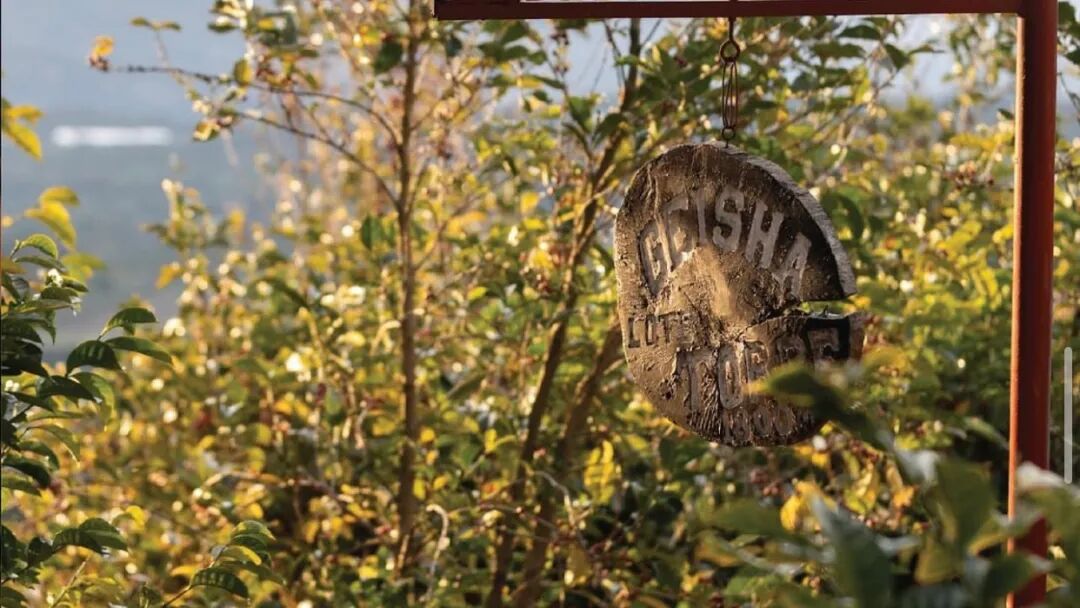
In 1918, Robert Lamastus, born in Kentucky, USA, established Elida Estate near the Baru Volcano in Boquete, Panama. (Elida Estate) The estate’s name is something frequently emphasized when introducing Elida Estate, as Mr. Robert named it after his wife. 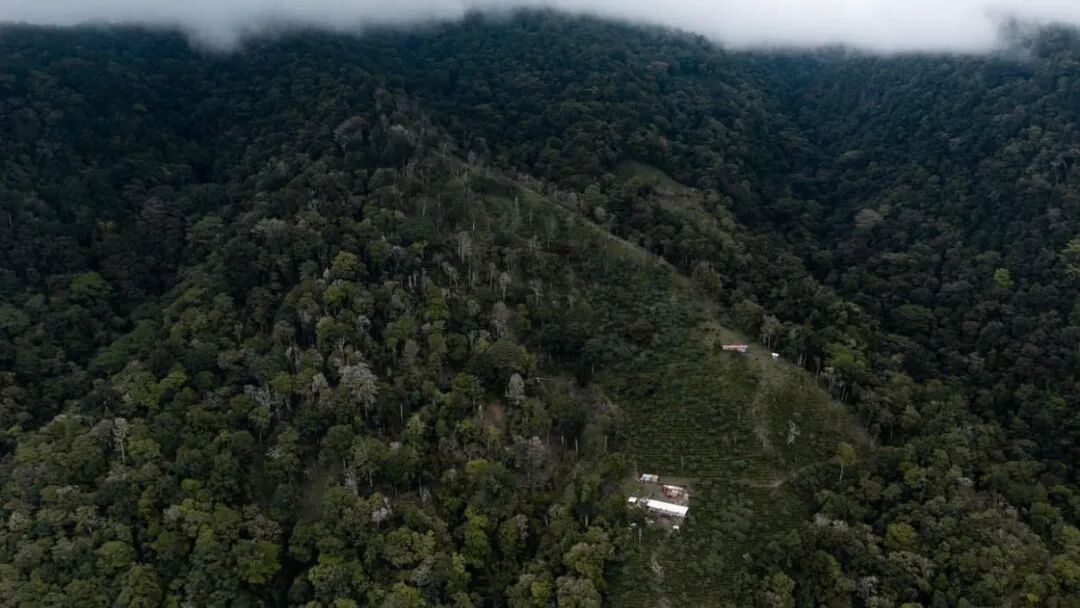
After founding the estate, Mr. Robert focused on producing and cultivating high-quality coffee. Moreover, his passion for coffee seemed etched in his blood, passed down through generations. Today, Elida Estate is managed by the fourth generation of the Lamastus family, each generation expressing their enthusiasm and dedication to coffee in unique ways. Recently, the Lamastus family acquired a new high-altitude estate—Trompo Estate (Gyro Estate) , marking their fifth estate under the family’s name. Although the Lamastus family owns five estates in Panama, only three are currently active in coffee production. Each of these three estates is a highly renowned Panamanian estate. ! Besides our protagonist Elida Estate, there are also: Donkey Estate and Luito Estate. Due to the vast differences in their locations, the terroir for coffee cultivation varies significantly among the estates. These differences contribute to the unique characteristics of the coffee from each estate. 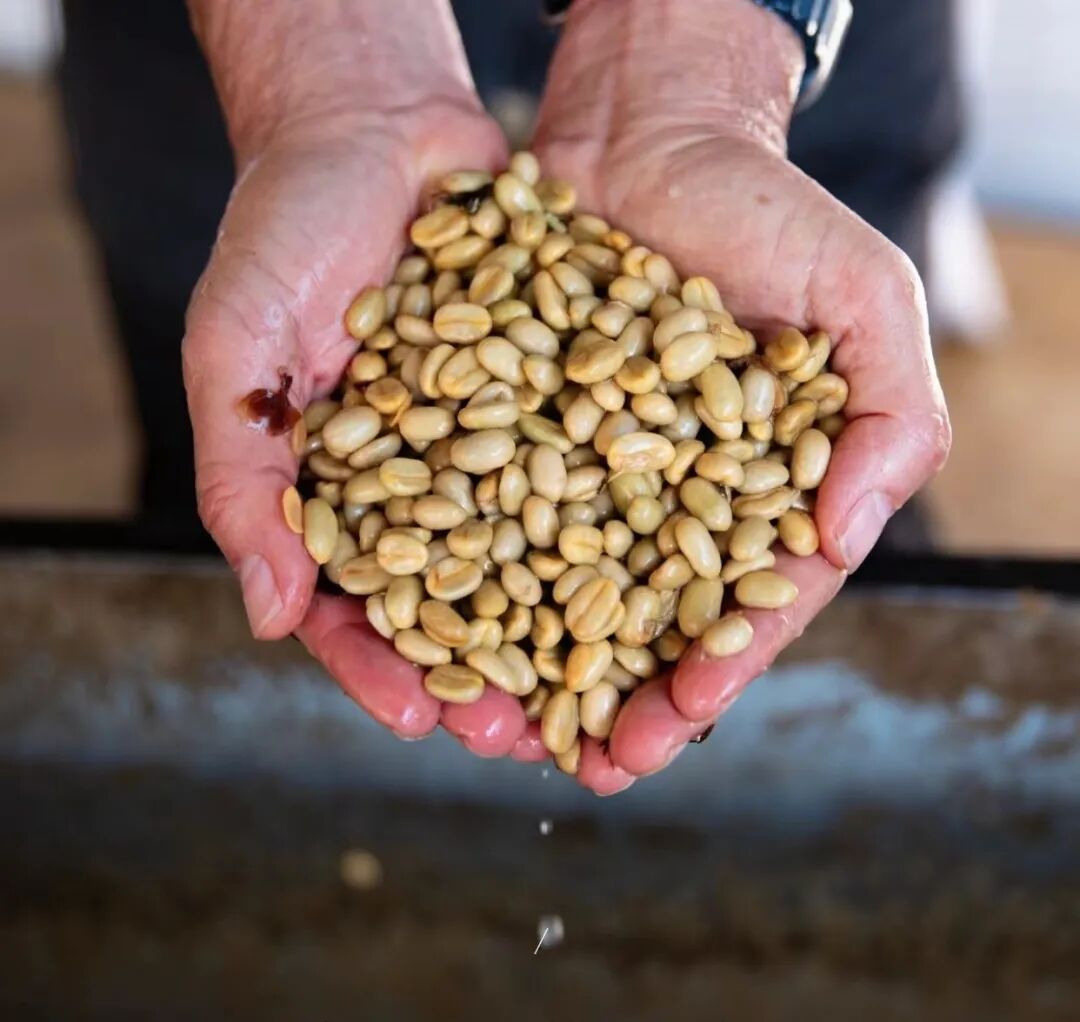
Back to Elida Estate itself—it is the largest and highest-altitude of the three estates, spanning 65 hectares. Despite its large area, the usable space is much smaller (for coffee cultivation)! Over half of Elida Estate lies within the Baru Volcano National Park, where tree felling is strictly prohibited, making it a protected natural environment. As a result, only 30 hectares out of the 65 are suitable for coffee planting. Even so, the excellent growing conditions (microclimate, volcanic soil, pristine environment) and high altitude provide a solid foundation for the exceptional flavor of Elida coffee. Of course, this is also thanks to the Lamastus family’s meticulous care in every step of harvesting and processing. Because of this, Elida Estate’s coffee leaves a lasting impression. 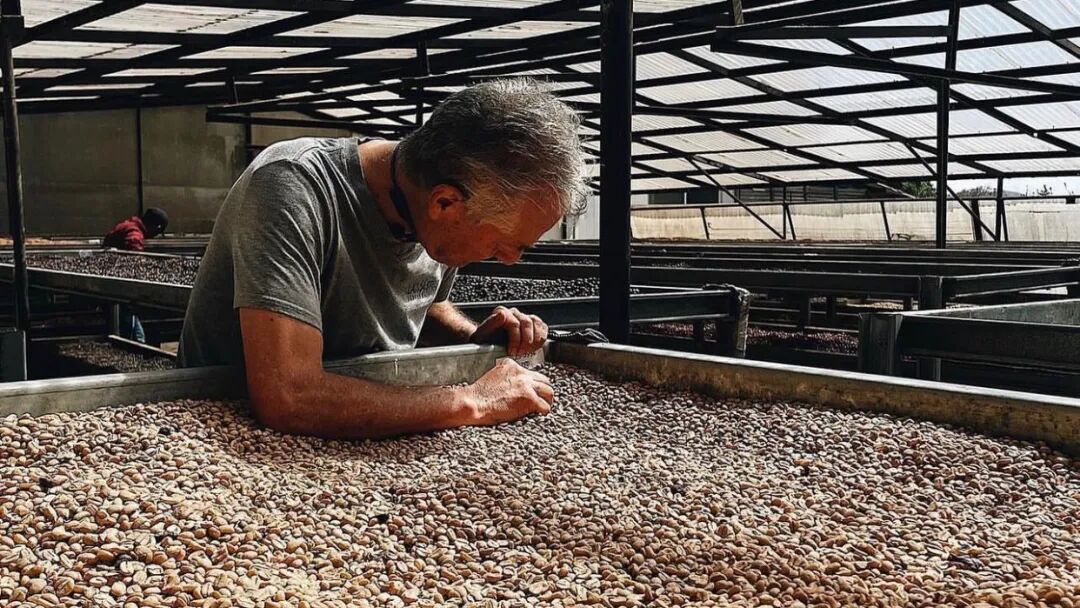
Over the years, Elida Estate has primarily cultivated three varieties: traditional Typica, newer Catuai, and the current king of coffee—Gesha. Elida Estate was also amazed by the Gesha that stole the show at BOP in 2004, grown by Finca Esperanza. Thus, the third-generation owner, Wilford Lamastus, like other estate owners, embarked on the Gesha cultivation journey. In 2005, Elida Estate and Donkey Estate began planting Gesha. It’s worth noting that Elida Estate carefully plans the distribution of different varieties—Catuai is planted below 1650 meters, while Gesha is grown at higher altitudes. As the altitude increases, the climate becomes harsher. While this extends Gesha’s growth cycle, it allows the beans to accumulate more flavorful compounds. 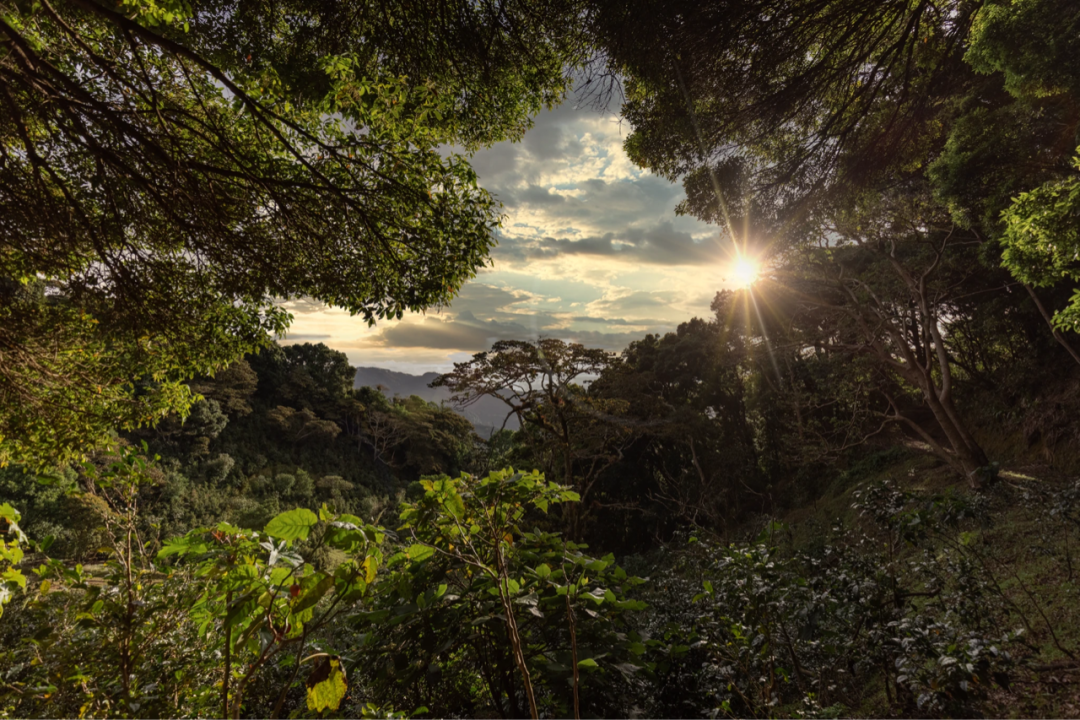
Because the estate is situated on steep slopes with varying elevations and vast terrain, Elida Estate divides the land into seven plots, from lowest to highest: Plano Lot、Falda Lot、Aguacate、Aguacatillo、Vuelta (The plot that produced this year’s winning Gesha) 、Loma centro、Torre Lot (The most awarded plot) 。 The differences in elevation and climate between the plots result in distinct flavor profiles for the coffee from each one. 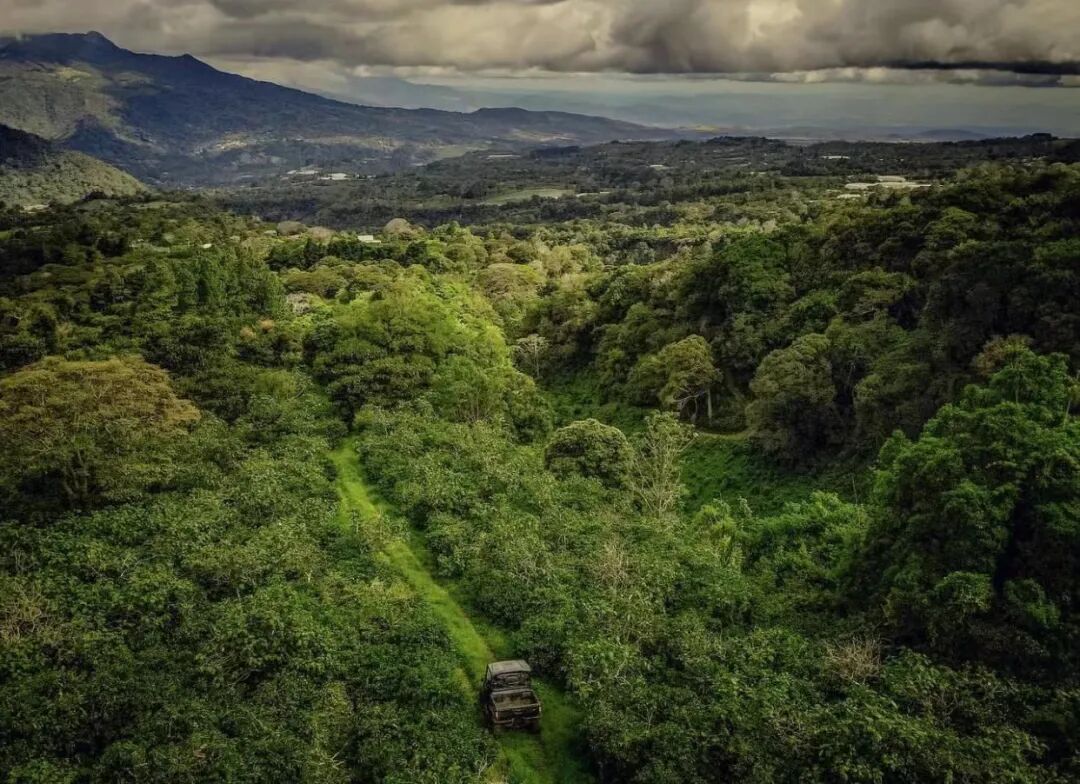
With the third-generation owner Wilford Lamastus pursuing even higher coffee quality, he spares no cost in investing significant labor and time to achieve perfection. When the coffee cherries turn wine-red, workers harvest them swiftly and immediately transport the beans to the processing facility. Since the processing plant is located at the base of the estate, the cherries are processed within half a day of being picked. This minimizes premature fermentation during transport, reducing unstable factors that could affect the final product. 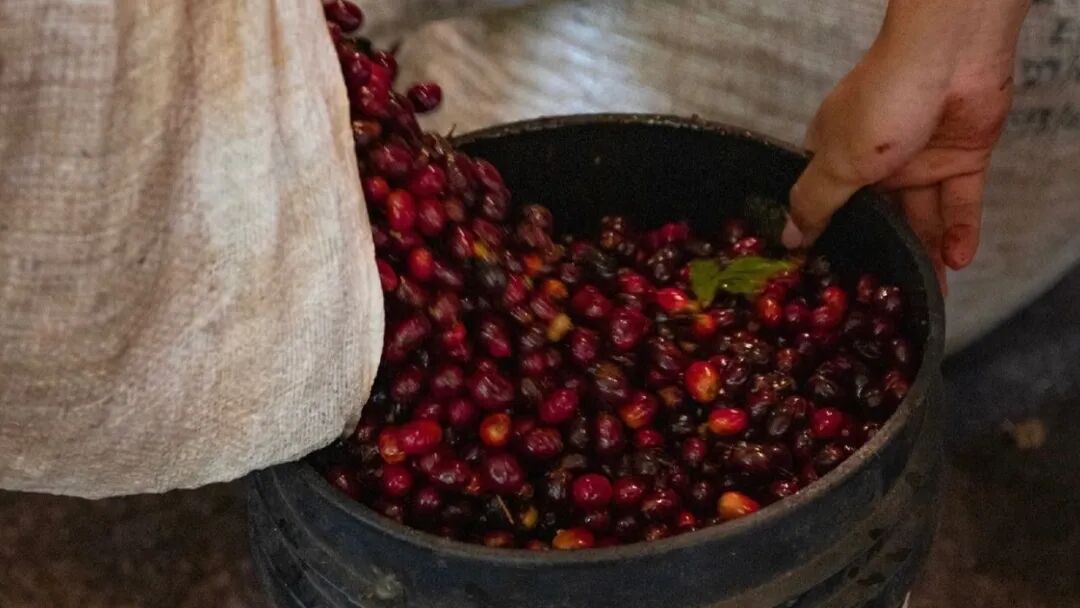
Speaking of Elida Estate’s coffee processing, aside from traditional methods like natural, washed, and honey processes, they also experiment with anaerobic techniques. As the third-generation owner, Wilford Lamastus, mentioned in an interview, any method that doesn’t mask Gesha’s inherent flavors is worth trying. That’s why anaerobically processed Elida coffee often shines in major coffee competitions. 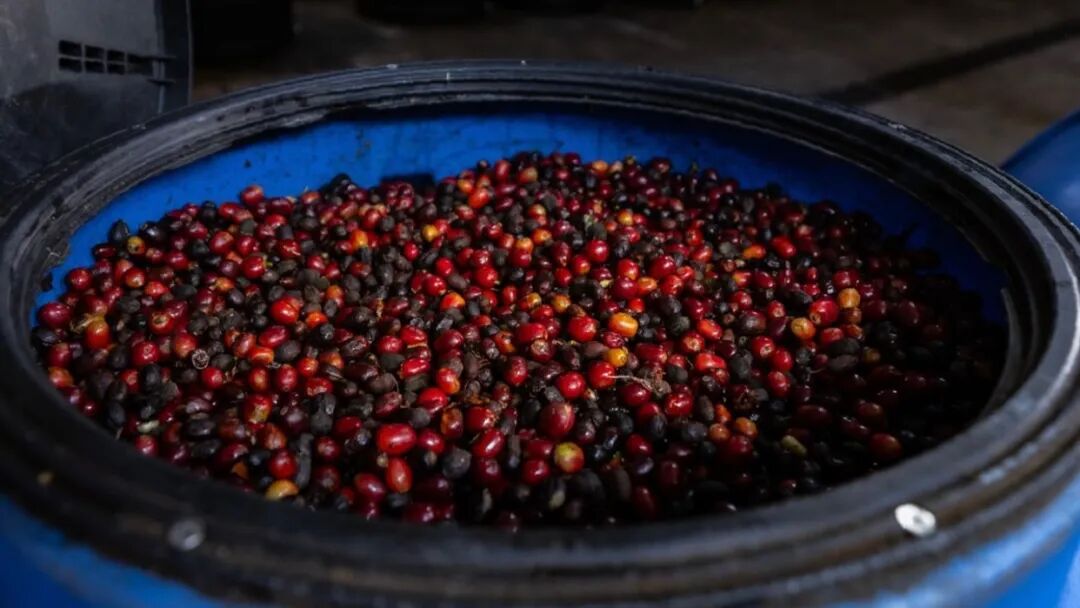
That said, while Elida Estate uses conventional processing methods, they make adjustments to certain steps. Take the natural process, for example. Traditional natural processing involves drying coffee cherries in the sun until they reach the desired moisture level, then hulling them. Elida Estate takes it further by stacking the cherries thickly before starting the drying process. This extended drying time allows for more fermentation, resulting in richer flavor compounds. 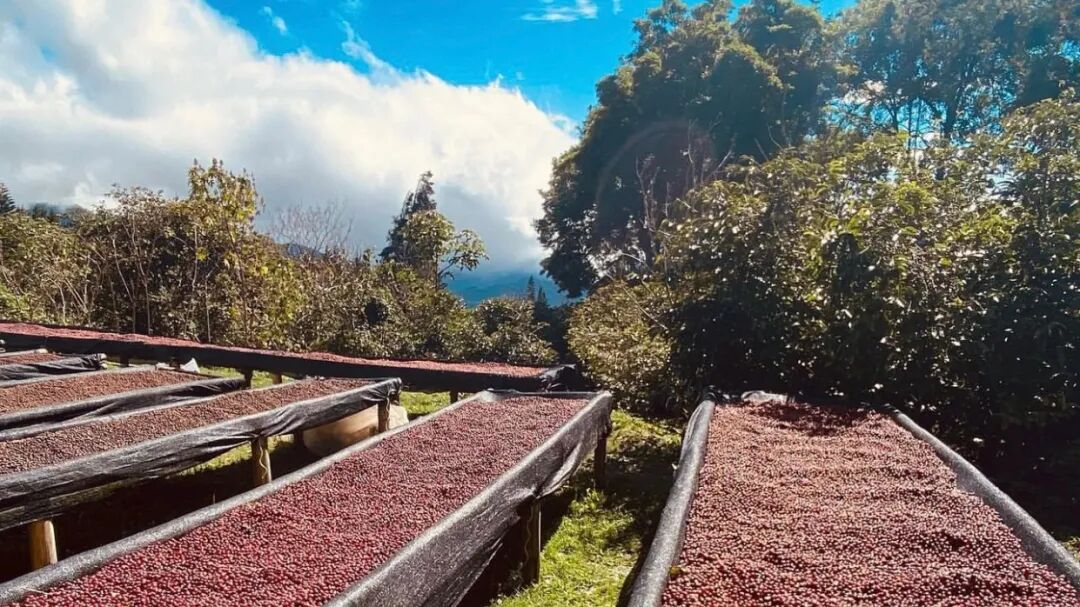
Because Qianjie wanted to try the champion estate’s coffee, we purchased a natural-processed Elida Estate Gesha. This Gesha comes from the Falda plot at 1750 meters. The English name “Falda” sounds similar to the Chinese word “fada” (prosperous), earning it the nickname “Prosperous Plot.” This Gesha has a medium size and density, requiring higher heat absorption during roasting, with a faster Maillard reaction. Therefore, Qianjie adopts a slower roasting pace to allow this Gesha to fully develop its rich floral and fruity notes.

Follow the official account and sendRead Full Article Free
Region Intro:
Boquete is a town in the Chiriqui Province, located near the border between Panama and Costa Rica, close to the famous Baru Volcano. It has beautiful scenery and rich, fertile soil, and its climate and soil are very suitable for producing high-quality coffee.
Brewing Tips:
For brewing, Qianjie recommends a ratio of 1:15 to 1:16. Use 1:15 for a stronger taste or 1:16 for more pronounced floral and sweet notes, allowing the flavors to spread out.
Filter: V60
Water temperature: 92-93°C
Coffee dose: 15g
Coffee-to-water ratio: 1:15
Grind size: Fine sugar-like (sifted through a #20 sieve to 78%)
Three-pour method: Wet the coffee bed with twice the coffee’s weight in water, let it bloom for 30s, then pour in a small circular motion from the center outward until reaching 125g. Wait until the coffee bed drops halfway, then pour the third pour to 225g. Total brew time is about 2 minutes. After the coffee drains into the server, remove the filter and swirl the server to mix the coffee evenly before tasting from hot.
Flavor Cup Report:
No content yet