Origin
- Region: Costa Rica
- Variety: Rume Sudan
- Process: Anaerobic Honey Process
- Roast: Cinnamon Roast
- Altitude:
- Sample Batch:
- Grower: Divisa Estate
Flavor Notes:
When ground, you can detect pronounced fermented and spicy aromas; the wet aroma has subtle fermented notes. The cup starts with plum and citrus acidity, followed by nutty, creamy, and chocolatey flavors in the mid-palate, and finishes with oolong tea-like notes and a sugarcane sweetness.
- Aroma: Average
- Cleanliness: Average
- Sweetness:Medium
- Acidity:Medium
- Body:Average
- Bitterness:None
- Aftertaste:Medium
- After Cooling:Medium
Rume SudanCoffee Bean Intro:
The coffee varieties you usually come across are basically Bourbon, Typica, Gesha, etc. Today, Pioneer Coffee wants to share with you an ancient coffee variety—Rume Sudan!
Rume Sudan
Rume Sudan, also known as RUME SUDAN or SUDAN RUME, is a wild and ancient coffee variety. In the coffee genealogy, Rume Sudan has a history even longer than that of Typica or Bourbon.

When it comes to African coffee-producing countries, Ethiopia is certainly on the list, but South Sudan is less heard of. In fact, besides Ethiopia, South Sudan is also a country with wild coffee varieties. The coffee here, like in Ethiopia, grows naturally, meaning it thrives in forests alongside other plants. This region can be considered a gene bank for coffee varieties, with many coffee varieties derived from this vast genetic pool.

The Rume Sudan variety was discovered in 1940 in the Rume Valley of the Boma Plateau, near the Ethiopian border in southeastern South Sudan. It is known by the code RS-510 in the coffee industry and is essentially a wild coffee variety native to the tropical forests of the Marsabit Mountains in Africa, characterized primarily by its brass-colored leaves.
It wasn’t until 2015 that this Rume Sudan bean gained attention as the competition bean used by WBC champion Sasa that year.

Rume Sudan coffee trees are tall, with medium branch spacing and bud spacing, and they have strong disease resistance, particularly against coffee berry disease.


The Rume Sudan variety is rarely seen in everyday life. Although it has strong disease resistance, its low yield means it is seldom commercially planted on a large scale. It is generally used for variety research and development to enhance coffee flavor and improve disease resistance. By crossbreeding RS-510 with more manageable varieties, farmers can obtain new hybrids that are high-yielding, disease-resistant, and still enjoyable to drink. Many well-known modern varieties, such as Ruiru 11, F1 hybrids, and others, have been developed this way.
Pioneer Coffee brewed a pot of anaerobically honey-processed Rume Sudan:

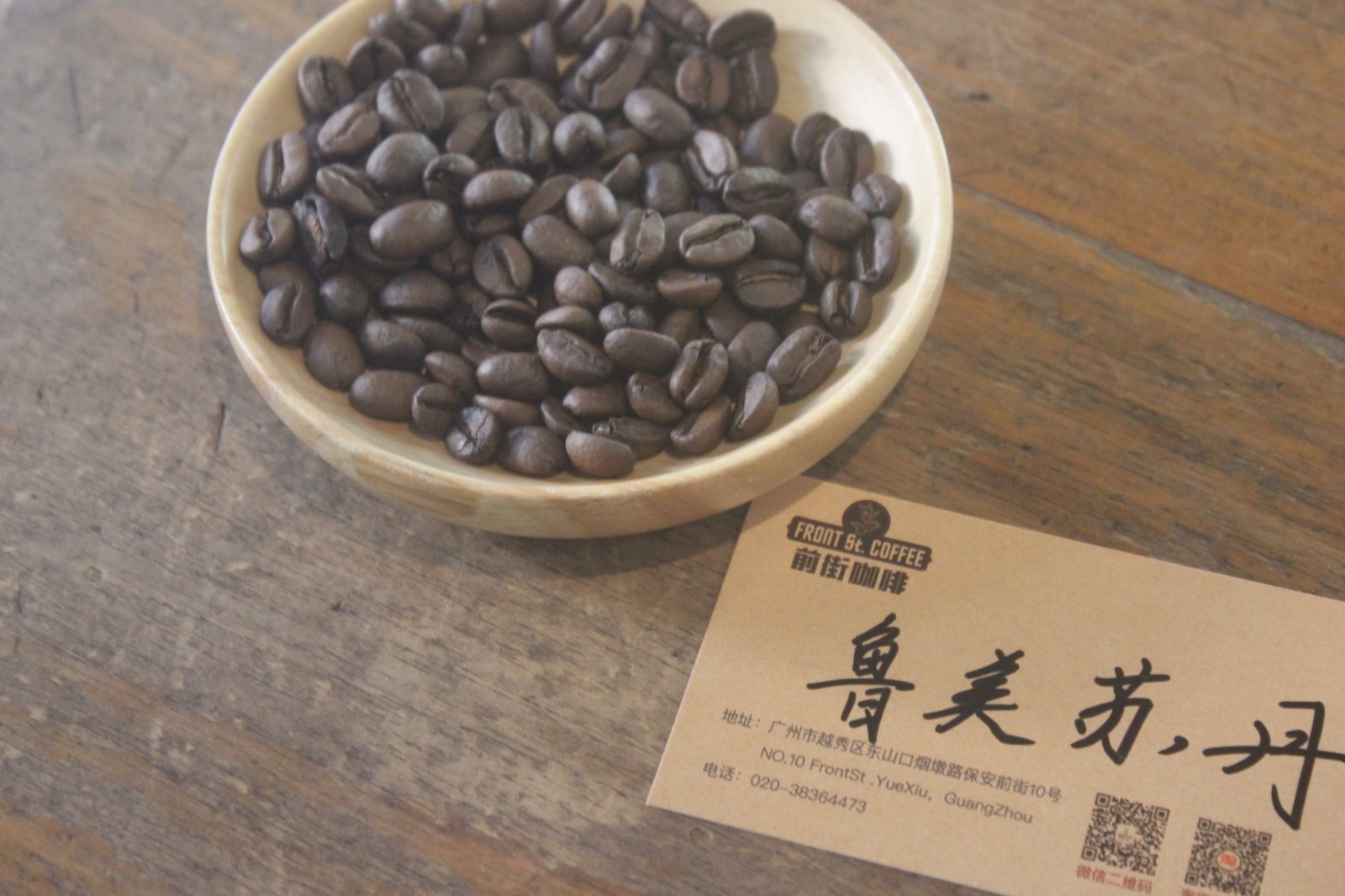
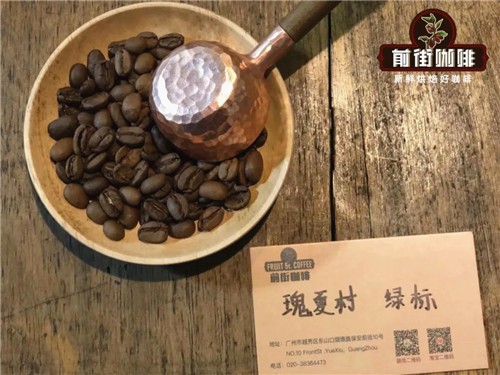
Observing the roasted beans, you can see that their sizes vary, though not as small as Ethiopian beans. Overall, the bean size is medium, and the shape is elongated.
Pioneer Coffee brewing parameters shared:
Dose: 15g; Medium-fine grind; V60 dripper; Water temperature: 90°C; Brew ratio: 1:15; Brewing method: Pulsed pour-over.

Start with a 30g bloom until the coffee bed surface transitions from wet to dry, which takes about 30 seconds. Pour gently in the center with a small stream, adding around 90g of water (i.e., stop at 120g), then wait until the water level drops nearly to the coffee bed before continuing to pour up to 225g, and remove the dripper when the water level is about to expose the coffee bed. Start timing the bloom, and the total extraction time is 1’43”.
When ground, you can detect pronounced fermented and spicy aromas; the wet aroma has subtle fermented notes. The cup starts with plum and citrus acidity, followed by nutty, creamy, and chocolatey flavors in the mid-palate, and finishes with oolong tea-like notes and a sugarcane sweetness.

Follow the official account and sendRead Full Article Free
Region Intro:
Costa Rica is located in Central America and was the first country in Central America where coffee was introduced and planted; it has a long history, and its coffee organizations have a complete system from production to sales.
Because it lies in the Central American isthmus, the volcanic soil is very fertile and well-drained, especially in the Central Plateau; here the coffee-growing areas sit on volcanic terrain with fertile volcanic ash, mild and suitable temperatures, and stable and abundant rainfall, which is one of the factors that have made coffee a major agricultural product.
Brewing Tips:
Recommended brewing method: Pour-over
Dripper: V60
Water temperature: 90-92°C
Dose: 15g
Brew ratio: 1:15
Grind size: Medium-fine (80% passing through a 20-mesh sieve per Chinese standards)
Brewing method: Pulsed pour-over
Begin with a 30g bloom for about 30 seconds, then pour in a small circular motion centered around 125g of water for the first pour, continue pouring up to 225g once the water level drops nearly to the coffee bed, and remove the dripper when the water level is about to expose the coffee bed. (Start timing the bloom.) Total extraction time is 2'00".