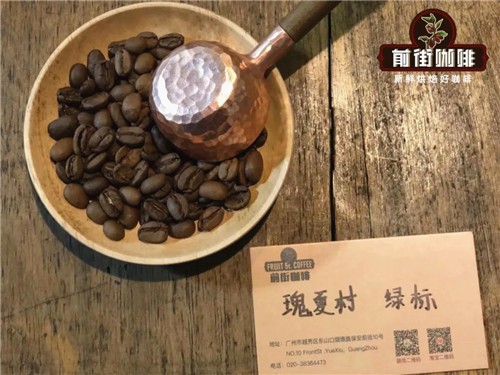
Rwandan Washed Red BourbonCoffee Bean Intro:

Pioneer Coffee: Rwanda · Washed Red Bourbon Region: Nyamasheke (Nyamasheke)Altitude: 1500–1700 meters Processing Method: Washed Flavor: Citrus, sour plum, tea, berries
When it comes to African coffee-producing countries, Pioneer Coffee believes that names like “Ethiopia,” “Tanzania,” or “Kenya” are likely the first to come to mind. But beyond these well-known major players, Africa is home to many smaller nations that produce exceptional coffee. For example, Rwanda—the “Heart of Africa,” which Pioneer Coffee is sharing today—is a rising star in the specialty coffee scene that has made significant waves in recent years. It was also the first African country to host the Cup of Excellence (COE).

Overview of Rwanda
Rwanda is a small inland country located in central Africa, surrounded by major coffee-producing nations. To the south is Burundi, to the east is Tanzania, to the north is Uganda, and to the northwest is the Democratic Republic of the Congo. The country is known as the “Land of a Thousand Hills” due to its rugged terrain, which includes five volcanoes. Beyond its mountains, Rwanda also boasts 23 lakes and numerous rivers, providing abundant water resources.

Like its neighbors, Rwanda is highly suitable for coffee cultivation. Located south of the equator, it enjoys a temperate and tropical highland climate with average temperatures between 24–27°C—cooler than typical equatorial countries. The region experiences two distinct rainy seasons annually, ensuring ample rainfall.
Coffee is primarily grown in the southern and western regions, where higher altitudes result in cooler temperatures and greater diurnal temperature variations compared to the lower eastern areas. This extended maturation period allows the coffee cherries to accumulate more sugars, developing richer flavors. Coupled with mineral-rich volcanic soils, Rwanda offers an exceptionally favorable environment for coffee cultivation. The growing conditions for coffee in Rwanda are truly optimal.

Coffee Varieties in Rwanda
The main coffee varieties grown in Rwanda include Red Bourbon, Catuai, and Catimor, with Bourbon being the most widely cultivated, accounting for over 90% of Rwanda’s coffee production.
Bourbon was originally introduced from Central America to Puerto Rico and later brought to the Republic of the Congo in the 1930s. Approximately 20 years later, it was introduced to Rwanda, where it became the dominant coffee variety.

Pioneer Coffee often discusses Bourbon because many coffee varieties worldwide are derived from or related to it. As an Arabica variety, it delivers outstanding flavor profiles. However, like Typica, while Bourbon offers excellent cup quality, it is less resistant to diseases, has lower yields, and is harder to cultivate. As a result, many countries that once primarily grew Bourbon have since shifted to higher-yielding and more manageable varieties like Catuai and Catimor.
Coffee Production and Processing in Rwanda
Like most African coffee-producing nations, Rwanda’s coffee industry is largely based on smallholder farming. With government support, farmers transitioned from rudimentary home processing to delivering their cherries to nearby washing stations for refined washed processing.
After 2000, Rwanda launched the PEARL project (Partnership for Enhancing Agriculture in Rwanda through Linkages) to revive its coffee industry, which had been severely impacted by internal conflict. This initiative aimed to improve both the quality and quantity of Rwandan coffee while increasing farmers’ incomes to create a virtuous cycle. Following the project’s implementation, Rwanda established dozens of coffee washing stations, leading to a shift toward washed processing as the dominant method.

Washed processing results in cleaner coffee profiles due to relatively low fermentation levels and high stability, allowing the inherent characteristics of the coffee to shine.
The process is straightforward, as Pioneer Coffee has consistently shared: First, unripe or defective cherries are removed via floatation. Next, a pulper removes the skin and pulp. The mucilage-covered beans are then left to ferment in water tanks. After fermentation, the remaining mucilage is washed off with clean water. Finally, the parchment-covered beans are sun-dried until their moisture content drops to around 11–13%, at which point the parchment is removed or the beans are stored in warehouses awaiting export.
Thanks to the exceptional quality of washed coffee and Rwanda’s abundant water resources, the number of washing stations in the country surged to over 200 within just a decade. These are privately owned by green coffee exporters or cooperatives.

Rwandan Coffee
As previously mentioned, Rwanda’s finest coffees primarily come from the southern and western regions, including the Huye Mountains and Nyamagabe area in the south, as well as the Nyamasheke region by Lake Kivu in the west. These areas feature high altitudes and ample rainfall, contributing to superior coffee flavors.
After extensive cupping, Pioneer Coffee selected a washed Red Bourbon from Nyamasheke (in western Rwanda) as the newest addition to its core coffee lineup. Processed using the washed method and grown in the environmentally ideal Nyamasheke region, this coffee embodies the best of Rwanda’s representative qualities. Naturally, it delivers the most authentic terroir-driven flavors of Rwanda.