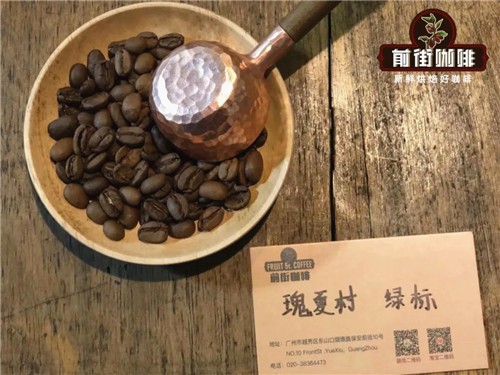
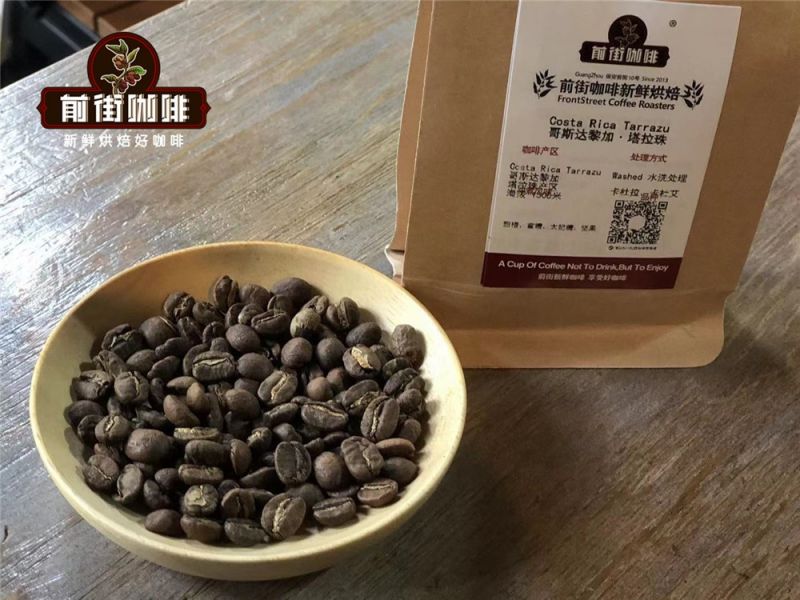
Santa Vini Anaerobic NaturalCoffee Beans
Origin
- Region: Ethiopia Sidamo
- Variety: 74158
- Process: 96-hour Anaerobic Natural
- Roast: Light Roast
- Altitude: 2050
- Sample Batch:
- Grower:
Flavor Notes:
The cup has more fermented winey aroma compared to a traditional natural process, with abundant tropical fruit flavors like pineapple and citrus. The aftertaste features a passionate winey aroma, rich and full-bodied—the most immediate impression. At medium to low temperatures, the sip reveals soft acidity and a hint of guava sweetness.
- Aroma: Average
- Cleanliness: Medium
- Sweetness:Medium
- Acidity:Average
- Body:Strong
- Bitterness:Slight
- Aftertaste:Medium
- After Cooling:Medium
Santa Vini Anaerobic NaturalCoffee Bean Intro:
DWD's Santa Vini processing station is about a 40-minute drive from the town of Santa Vini. It is one of DWD's high-altitude processing stations (the company operates a total of 17 processing stations). If you have the chance to visit the Santa Vini processing station, you’ll see farmers processing large batches of freshly picked red coffee cherries. This practice originates from the "Red Cherry Project" launched in 2007.

In 2007, Dutch green coffee buyers proposed the "Red Cherry Project" to obtain higher-quality Ethiopian coffee beans. The Red Cherry Project refers to manually picking coffee cherries instead of using mechanical harvesting, and only ripe cherries are selected. Ripe coffee fruits are red in color, while unripe ones are mostly green. Mechanical harvesting often mixes unripe cherries with ripe ones, which can introduce undesirable flavors to the brewed coffee.

Compared to the Gesha processing station, also under DWD, Santa Vini has a dryer climate and lower average temperatures, which slows down the growth of coffee cherries and allows them to absorb more abundant nutrients over a longer period. After harvest, the cherries are sorted, and the qualified ones are placed in fermentation tanks where carbon dioxide is injected to undergo a 96-hour anaerobic fermentation.
The coffee variety is '74158.' The '74' indicates that the bean was discovered in 1974, and '158' is the variety's identification number. The beans are of medium size.
After fermentation, the cherries are placed on raised beds to dry. They are regularly turned to ensure even drying, and shaded during high temperatures to prevent over-drying. The drying process takes about 20-24 days until the moisture content drops to 12%, after which they are stored.

Follow the official account and sendRead Full Article Free
Region Intro:
Sidamo (specialty region): altitude 1,400-2,200 m | garden coffee system |
The flavor is similar to Yirgacheffe; finely washed or natural Sidamo likewise has floral and orange notes, and its standing is no less than Yirgacheffe. The varieties in these two regions are similar; the beans are medium-sized, but there are also short-stature small bean varieties, which farmers often sell separately. The common Kurmie has relatively poor disease resistance; Wolisho is tall and robust; Deiga has a medium tree form. These three types are the main force behind the specialty natural series Biloya and Aricha.
Brewing Tips:
Brewing recommendation from Before Street Coffee
Filter: V60
Water temperature: 92°C
Coffee dose: 15g
Coffee-to-water ratio: 1:15
Grind size: Fine sugar (sifted through a #20 sieve to 80% extraction)
Flavor Cup Report:
No content yet