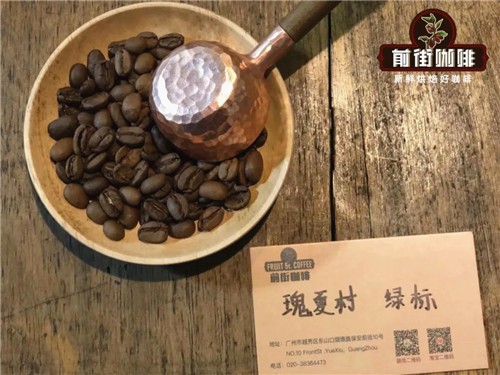
Sidama Bensa Hamasho Washing Station Natural 74158Coffee Beans
Origin
- Region: Ethiopia
- Variety: 74158
- Process: Natural
- Roast: Cinnamon Roast
- Altitude: 1920~2020 meters
- Sample Batch: 2025
- Grower: Hamasho
Flavor Notes:
Strawberry, floral, guava, sweet orange, honey, green grape
- Aroma: Strong
- Cleanliness: Medium
- Sweetness:Strong
- Acidity:Average
- Body:Medium
- Bitterness:Slight
- Aftertaste:Strong
- After Cooling:Medium
Sidama Bensa Hamasho Washing Station Natural 74158Coffee Bean Intro:
Ethiopia · Hamasho Washing Station Natural Process 74158 Region: Ethiopia · Bensa Region Washing Station: Hamasho Washing Station Altitude: 1920~2020 meters Processing Method: Natural Process
Flavors: Strawberry, floral, guava, sweet orange, honey, green grape
Hamasho (Hamasho) The washing station is located in Hamasho Village, north of Bensa Town. In the Sidama language, "Hamasho" means "snake," which symbolizes strength and spirit locally. Like many other producing areas in Ethiopia, coffee production here mainly comes from smallholder farms. Thanks to the region’s exceptional coffee-growing environment, the coffee produced here boasts remarkable quality. Especially after Hamasho Washing Station partnered with Daye Bensa Coffee, the quality of the coffee reached a whole new level. Daye Bensa Coffee is a well-known local coffee trader, established in 1996. It enjoys a strong reputation in the industry for its exceptionally high-quality coffee beans. Currently, the company collaborates deeply with dozens of local coffee washing stations and thousands of coffee farmers. They not only produce high-quality green coffee beans but also provide technical guidance to farmers to improve coffee quality and commercial viability. Previously, when introducing Elto Coffee, we mentioned that Elto’s founder, Eliyas, once served as the operations manager at Daye Bensa, where he gained extensive knowledge about green coffee beans and met his wife, Atiklit Dejene. That said, after partnering with Daye Bensa, the quality of coffee beans produced by Hamasho Washing Station indeed rose to a new level. With excellent quality and unique flavors, Hamasho Washing Station has become a regular winner in Ethiopian green bean competitions, and its coffee beans have become a popular choice among many coffee enthusiasts. In terms of planted varieties, the coffee produced by Hamasho Washing Station mainly consists of disease-resistant varieties from the JARC (Jimma Agricultural Research Center) 74 series. For example, the variety of the Hamasho coffee we acquired this time is 74158 from the 74 series. As you can see, these beans are not as inconsistent in size and appearance as typical Ethiopian beans. They are similarly sized, small and round, with a screen size of around 10~12. Such uniformity is due not only to the single variety but also to Hamasho Washing Station’s rigorous processing methods. To ensure the quality of green beans, Hamasho Washing Station processes only fully ripe red coffee cherries. They also make full use of different post-harvest processing methods to perfectly highlight the unique flavors of each batch. The 74158 we acquired this time is processed using the natural method. Before starting the natural process, workers re-screen the red cherries harvested by farmers, removing overripe or underripe ones, and then begin the natural drying process. The natural process may seem simple—just spreading the coffee beans on drying beds to dry—but to ensure stable quality, workers must frequently turn the beans on the beds to ensure even drying and prevent mold. This process lasts 2–3 weeks. Once the moisture content of the cherries drops to a certain level, they are transported to the warehouse for hulling and then await export.

Follow the official account and sendRead Full Article Free
Region Intro:
Ethiopia is located in a land full of wonders, and all the Arabica coffees we have or have not tasted originate here.
Documented historical evidence of coffee in Ethiopia dates back to the 4th-5th centuries AD. At that time, due to wars between ethnic groups, coffee spread with people's conquests and migrations to Yemen on the Arabian Peninsula. Later, with the rise of the Ottoman Empire and the spread of Islam, through various circumstances, Europe began to have coffeehouses and the coffeehouse culture that gradually formed along with them. Subsequently, Central America began to cultivate coffee, and India and Indonesia in Asia began large-scale commercial coffee cultivation. Having gone through several hundred years in this way, we have only now arrived at today's third wave of specialty coffee.
Brewing Tips:
Dose: 15g
Coffee-to-water ratio: 1:15
Water temperature: 91–93°C
Grind size: Caster sugar (75%–80% through a #20 sieve)
Brewing method: Three-pour
Extraction time: 2 minutes
First pour: Gently pour 30g of water for blooming, bloom time 30 seconds. Second pour: Pour up to around 125g of water, evenly and steadily in a circular motion. Then wait for the coffee liquid to drop to half, then pour the final 225g of water. Wait until all the coffee has dripped through. Total extraction time is generally around 2 minutes.
Flavor Cup Report:
No content yet