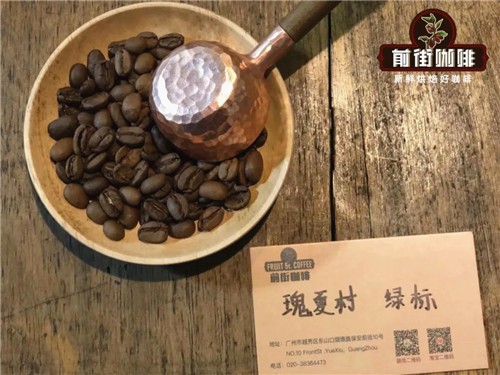
Strawberry Candy BlendCoffee Bean Intro:
Strawberry Candy
Origin: Tarrazú, Costa Rica & Boquete, Panama
Processing Methods: Honey Process, Washed
Coffee Varieties: Caturra , Catuai 、Geisha
Strawberry Candy Espresso
Origin: Tarrazú, Costa Rica, Colombia, Ethiopia
Processing Methods: Honey Process, Washed, Natural
Coffee Varieties: Caturra , Catuai, Heirloom
Strawberry Candy is a balanced espresso blend using Tarrazú, Costa Rica as the base, with contributions from Panama’s Boquete and Colombia. It’s a floral and fruity blend suitable for pour-over, cold brew, and espresso. Strawberry Candy Espresso uses Tarrazú, Costa Rica as the main base, with Colombia and Ethiopia. It’s suitable for both pour-over and espresso, but leans more toward enhancing espresso crema with its floral and fruity profile.
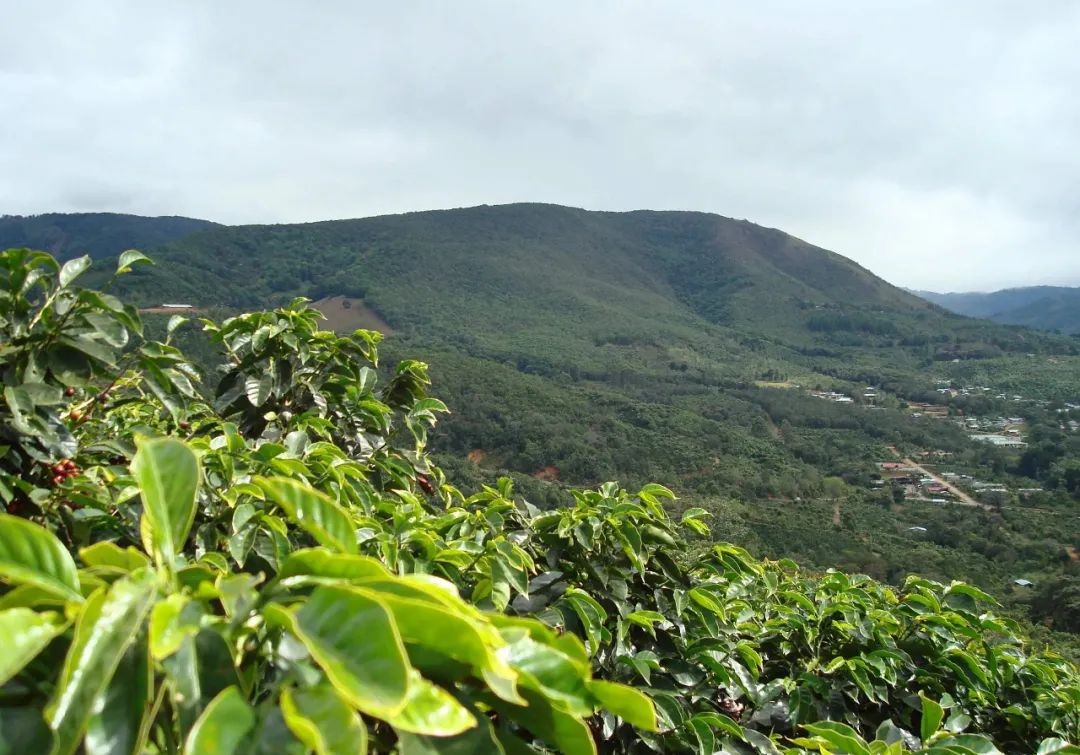
Tarrazú (Tarrazu) in Costa Rica is one of the world’s major coffee-producing regions, known for its clean, mild flavors and pleasant aromas. Costa Rica’s volcanic soil is highly fertile and well-drained, making it the first Central American country to cultivate coffee and bananas for commercial value. High-quality Costa Rican coffee is referred to as "Strictly Hard Bean (SHB)," grown at elevations above 1,500 meters. Altitude has always been a key factor for coffee growers. The higher the altitude, the better the coffee beans—not only because higher elevations increase acidity and thus flavor complexity, but also because cooler nighttime temperatures slow tree growth, resulting in more concentrated flavors.
Boquete, used in Strawberry Candy, is one of Panama’s renowned coffee-growing regions, located east of the Barú Volcano. Boquete offers excellent growing conditions, with coffee planted between 1,200 and 2,000 meters. Temperatures range from a minimum of about 11°C to a maximum of about 27°C—cool enough to avoid frost but not excessively hot, with significant diurnal temperature variation. Many renowned BOP-winning farms are located in this region.
The Colombian Huila used in Strawberry Candy Espresso is a major coffee-producing area in Colombia, known for its chocolatey and cacao-like flavors, while Ethiopia is the birthplace of coffee, often exhibiting vibrant fruit aromas.

Processing Methods
Costa Rica Coffee Beans use Honey Process: retaining 100%mucilage and water-washed methods, while Panamanian beans are washed.
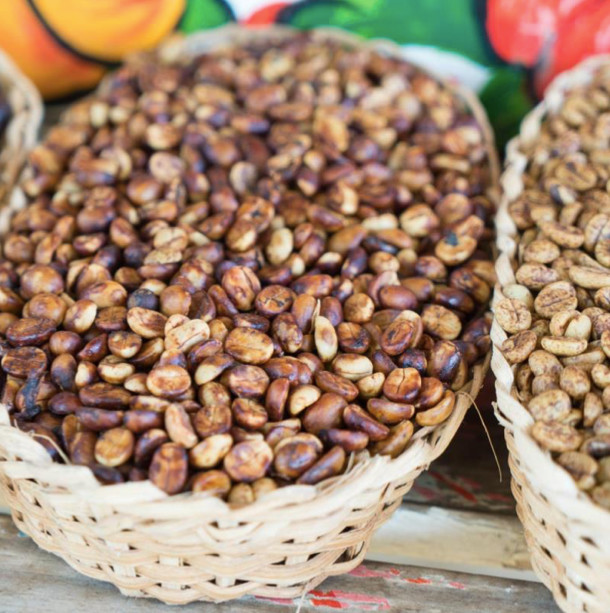
Honey Process involves drying freshly picked coffee cherries on raised beds for at least three days before removing the skin and retaining the mucilage during drying. During drying, the beans must be constantly rotated to ensure even drying, but the frequency must be carefully controlled—slow drying is essential to allow fermentation while avoiding over-fermentation. At this stage, climate factors are critical to the success of honey processing, enhancing the beans’ rich flavors and sweetness, which are key components of this blend. Washed processing highlights subtle details in the beans, allowing them to express more layered fruit characteristics.