Sweet Orange EstateCoffee Beans
Origin
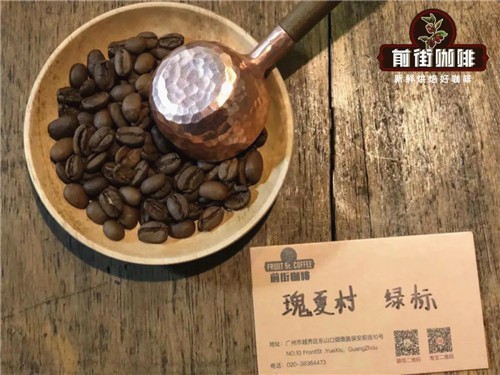
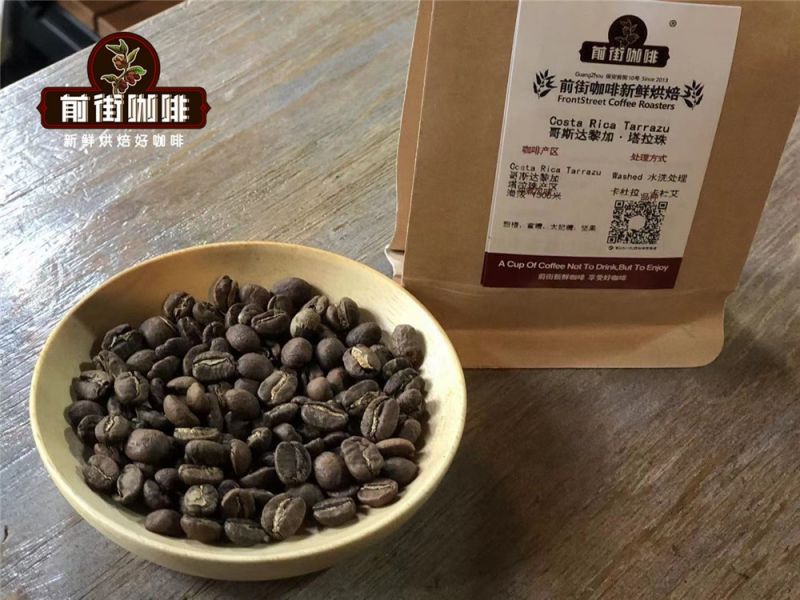
- Region: Honduras Sweet Orange Estate
- Variety: Caturra
- Process: Washed processing method
- Roast: Medium Roast
- Altitude: 1425 meters
- Sample Batch:
- Grower: Mr. and Mrs. Dominguez
Flavor Notes:
Dry aroma carries notes of spices and roasted peanuts, with a soft berry acidity. The cup opens with distinct orange peel notes, reminiscent of lemon tea, followed by flavors of cantaloupe, cream, nuts, and dark chocolate. The finish offers a sensation similar to genmaicha.
- Aroma: Strong
- Cleanliness: Medium
- Sweetness:Medium
- Acidity:Average
- Body:Average
- Bitterness:Average
- Aftertaste:Medium
- After Cooling:Medium
Sweet Orange EstateCoffee Bean Intro:

Sweet Orange Estate (El Naranjo) is located in Marcala, one of Honduras’ most renowned coffee-growing regions. Honduras boasts naturally favorable conditions for coffee cultivation, and the Sweet Orange Estate is home to a selection of high-quality coffee trees. The estate is often named after the shade trees planted there, and thus, the Sweet Orange Estate is shaded by tall wild orange trees. The wild oranges emit an exceptionally strong aroma, and the coffee grown here enjoys a uniquely rich sweetness. The orange trees also impart complex floral and fruity notes to the coffee. Currently, the estate cultivates Catuaí, Bourbon, and Gesha varieties. In addition to fruit trees and coffee plants, the estate features windbreaks to protect the coffee and compost made primarily from coffee cherry husks.

In 2016, Sweet Orange Estate ranked 14th in the Cup of Excellence competition, fulfilling the dream of its female owner, Carmen Fabiola Fiallos Melendez, of becoming a specialty coffee farmer.

Marcala belongs to the La Paz region, and its coffee is on par with that of Santa Bárbara, another famous Honduran coffee region. The Caballero family also has farms in Marcala, and their La Paz farm won the championship in 2016.

Unlike large-scale estates, Mr. and Mrs. Dominguez are both estate owners and coffee farmers. Carmen only began working with coffee after they got married. The couple collaborates seamlessly—she handles harvesting and drying, while her husband manages depulping. They hope to pass on to their two children not just a coffee farm, but also a deep passion for coffee. The family has been involved in coffee cultivation and promotion for generations. Roger is the third-generation steward of the estate, which has been growing coffee since his ancestors’ time. Through the family’s efforts, they now own four estates, one of which is the Sweet Orange Estate. The entire estate spans 43 hectares, with an average altitude of 1650m.

Honduran coffee beans are relatively large in size, uniform in shape, and consistent in color with a glossy appearance. To facilitate harvesting, farmers prune the coffee trees to keep them no taller than 150 centimeters, as overly tall trees would require ladders for picking, which is time-consuming and may damage the branches. Since each coffee cherry ripens at different times, maintaining high bean quality requires manual picking, followed by careful selection of ripe cherries. Even on the same branch, the harvesting process often takes several weeks to complete.

Follow the official account and sendRead Full Article Free
Region Intro:
The vast majority of coffee varieties grown in Honduras are Arabica, mainly Bourbon, Caturra, Catuai, Typica and Pacas-derived varieties.
Honduran coffee beans are relatively large in size, uniform in size, and even and glossy in color. Caturra - native to Brazil, is a mutation of Bourbon. Catuai - originating from Brazil. It is a cross between Mundo Novo and Caturra. The fruit shape is quite similar to Bourbon, but the yield per plant is higher, and the flavor also has a pleasant acidity.
Brewing Tips:
Recommended brewing method: Pour-over
Filter: v60
Water temperature: 88-90°C
Coffee dose: 15g
Coffee-to-water ratio: 1:15
Grind size: Medium-fine (80% passing through a No. 20 Chinese standard sieve)
Brewing technique: Pulse pouring
Bloom with 30g of water for about 30 seconds. Pour 125g of water in small circles centered around the coffee bed, then pour again when the water level drops near the coffee bed until reaching 225g total. Remove the filter when the water level nears the coffee bed again. (Timing starts at the bloom.) Total brew time: 2'00".