PWN Golden MandhelingCoffee Bean Intro:

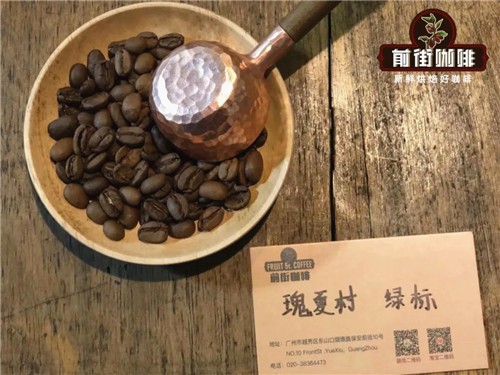
Front Street Coffee: PWN Golden Mandheling coffee beans
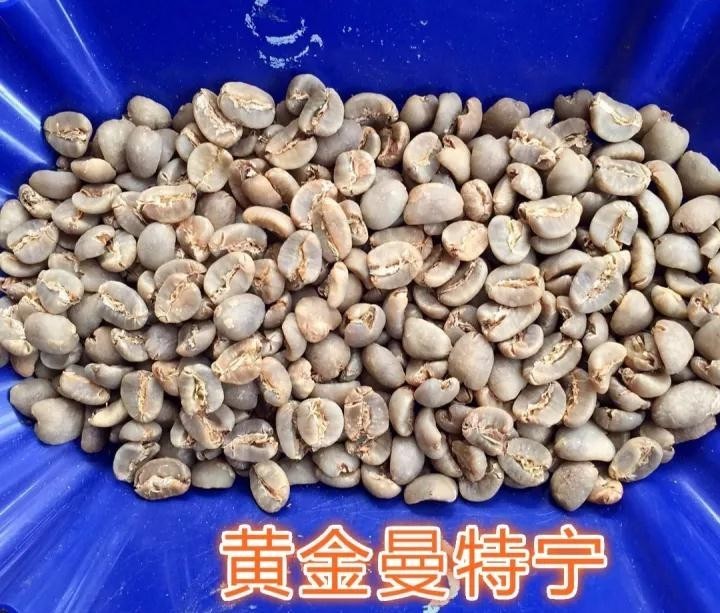
PWN Golden Mandheling
Country: Indonesia
Grade: G1· 3-time hand-picking
Company: PWN
Region: Gayo Mountains, Aceh, North Sumatra
Processing method: Wet-hulled process
Variety: Ateng
Altitude: 1100——1600 meters
Flavor: Roasted toast, nuts, pine, caramel, herbs
PWN —— Golden Mandheling
Golden Mandheling is produced by Pawani Coffee Company, a trading company based in Medan, Indonesia, which sources Mandheling coffee locally. This company was initially known for exporting coffee beans from Medan to Japan and had a certain level of recognition at the time. PWN registered the name "Golden Mandheling."

Region introduction
There are many names for Mandheling coffee on the market, such as Lintong Mandheling, Golden Mandheling, Ding Shang Golden Mandheling, Tiger Mandheling, Horse Face Mandheling, and Emerald Mandheling. In fact, Mandheling is not a region name, place name, port name, or coffee variety name. Its name originates from the Mandheling ethnic group in Indonesia. After the war, Japan, which continued to embrace Westernization, had a significant demand for coffee beans, and during this period, Pawani established the relatively well-known Golden Mandheling brand.
Mandheling is divided into various regional Mandhelings, such as Lintong Mandheling and Golden Mandheling, etc. What exactly are the differences between these Mandhelings? Locally, coffee beans widely grown in Sumatra and other Indonesian islands are all called Mandheling. Depending on the region and the green bean merchant, these names are used to distinguish Mandheling from different areas.

In the late 17th century, Typica was transplanted from India to Indonesia. After centuries of cultivation, a Typica variant has developed in Sumatra. It is smaller in size than the original variety but retains the delicious characteristics of Typica. Mandheling coffee beans are larger in size, harder in texture, and prone to defects during cultivation. After harvesting, they usually require strict manual sorting. If the control process is not strict enough, it can easily lead to inconsistent quality. Additionally, different roasting levels can directly affect the taste, making it a single-origin coffee with considerable controversy.
Mandheling is also known as "Sumatra coffee." The famous "Two Lakes, Two Mandhelings" refers to the regions around Lake Toba in North Sumatra and Lake Tawar in Aceh, Sumatra, both of which produce Mandheling coffee. Originally, Yellow Mandheling was made by selecting Mandheling from the Lintong region, but PWN switched to using Gayo as the source for Golden Mandheling, and the specification changed from 60kg to 30kg.

Indonesia is the world's largest archipelagic country. Coffee cultivation was introduced during Dutch rule in the 18th century, with the main producing regions located on Sumatra, Java, and Sulawesi. Southeastern Sumatra faces Java across the Sunda Strait, northern Sumatra faces the Malay Peninsula across the Malacca Strait, eastern Sumatra borders Borneo across the Karimata Strait, and the western side faces the Indian Ocean.
About "Lake Toba"
Mandheling is also known as "Sumatra coffee," the homeland of high-quality Mandheling — the Lake Toba region, located at the northern tip of Sumatra, Indonesia. Lake Toba (Indonesian: Danau Toba, English: Lake Toba) is a volcanic lake located in northern Sumatra, Indonesia. The lake is diamond-shaped, 100 kilometers long and 30 kilometers wide, with an area of 1,130 square kilometers, and is a high-altitude lake with an average elevation of about 900 meters. It is also the largest volcanic lake in the world.

Lake Toba, located in central North Sumatra, was where Dutch colonists moved "Java Mandheling" northward to the Lake Toba region in 1888. The areas around Lintong in southern Sumatra and Lake Toba (Toba Lake) can be referred to as Mandheling, with the Lintong area being the true Mandheling-producing region. Mandheling is produced in the mountainous areas around Lake Toba, which is located north of Medan, the provincial capital of Sumatra, and is a high-altitude freshwater lake. The average elevation is about 900 meters. The commonly referred to Mandheling refers to the Typica or its variants grown in the mountainous areas around Lake Toba.
About "Lake Tawar"
Lake Tawar is located in the Gayo Mountains of northern Aceh Province, Sumatra.

Lake Tawar, located in the central part of the Aceh Special Region, is in the northern part of Sumatra. The northern part of Sumatra mostly produces Gayo, primarily the Ateng variety. The Lake Tawar area in the northern tip can be referred to as Aceh coffee or Lake Tawar (Tawar Lake) coffee. Its area is less than one-tenth of Lake Toba. However, in recent years, its coffee quality and production have surpassed those of Lake Toba.
Indonesian Mandheling processing methods
The wet-hulled process, also known as wet stripping or Wet Hulling, is called Giling Basah in the local language and is a traditional Indonesian coffee processing method. Judging by the name alone, the wet-hulled process seems similar to the wet process (washed process), but the cupping flavors of these two processing methods are entirely different. Coffee processed with the wet-hulled method is usually rich and intense, with a very distinctive character.

Steps of the wet-hulled process
① Remove the skin and pulp, retaining the parchment and mucilage
② Ferment in water tanks
③ Wash off the mucilage
④ Sun-dry with parchment for 2-3 days until the moisture content reaches 20-24%
⑤ Scrape off the parchment
⑥ Dry the green beans to a moisture content of 12-13%
⑦ Prepare for export
The extremely fast speed of the wet-hulled process also results in a higher defect rate for Mandheling. Processing plants will arrange for employees to manually sort out defects, typically including DP (double picking) and TP (triple picking). Mandheling that undergoes triple picking will have a lower defect rate than that undergoing double picking. The flavor of wet-hulled coffee, aside from minor variations, is generally considered to have earthy, smoky, and chocolatey notes. The acidity is referred to as "low acidity," and the body is rich yet appears quite muted. In the past, Golden Mandheling originated from the Lake Tawar or Lintong regions, but later, Pawani chose coffee from the more northern Gayo Mountains (Gayo) as Golden Mandheling.

The coffee variety of Golden Mandheling consists of "Ateng" and some other hybrid varieties. This may seem like a very unfamiliar coffee variety. In fact, the naming of coffee varieties in Indonesia is somewhat different. For example, what Indonesians call Tim Tim is what we call Timor. And Ateng is the local Indonesian term for Catimor. The Ateng variety is suitable for cultivation and flavor development in the Aceh region due to its resistance to rust disease.
Front Street Coffee roasting analysis
Golden Mandheling has high-quality herbal notes, stronger caramel sweetness, more stable and elegant fruit acidity, rich sweetness, a thick and wild spice flavor. Generally, Lintong Mandheling is best roasted until after the second crack to reduce off-flavors, but Golden Mandheling has good clarity and sweetness even when roasted before the second crack, offering a wider range of roasting interpretations.

Compared to other Mandhelings, Golden Mandheling has a stronger aftertaste and sucrose aroma. Although everyone knows that only PWN's Mandheling can be called Golden Mandheling, in reality, PWN's annual production is not large, so a significant portion of the large-bean selected Golden Mandheling does not actually come from PWN. If you're unsure, you can ask the seller to provide the certificate that comes with PWN's beans.