Source:Best Coffee > News Author:qjroot Published:2026-09-03 18:44:28
When choosing beans for a shop, you cannot just look at the floral, nutty or cocoa notes on the packaging; you also need to see whether the beans can adapt to a fixed portafilter basket, stable water pressure and continuous service once they enter the machine. Common coffee shop equipment includes commercial espresso machines, moka pots, filter brewing devices and cold brew buckets. Different equipment has different requirements for strength, grind and extraction speed, and the suitable range for beans changes accordingly.
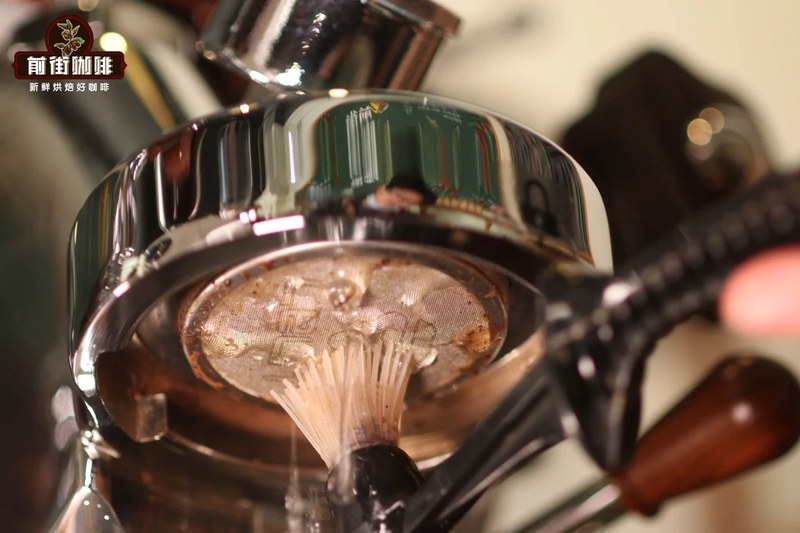
If the shop mainly uses a commercial espresso machine, you can first pay attention to the basket capacity and target yield. A 58 mm double basket usually uses 18 to 20 g of coffee grounds, and the yield can be tested starting from around 36 to 42 g, with an extraction time of about 25 to 32 seconds. The beans need good solubility and enough sweetness to keep the cup feeling consistent during continuous production at peak hours.
The grinder's burrs, rpm and retention also affect bean selection. Lighter beans often require a finer grind or higher water temperature, leaving more room for adjustment; medium-dark roasted beans react faster during extraction and more easily form strength under conventional espresso parameters. If shop staff change frequently, choosing flavor types that are less sensitive to fine grind adjustments will make output management easier.
Take Qianjie commercial blend coffee beans as an example. Its flavor focus falls on richness, sweetness and balance. When placed in a commercial espresso machine, you can start testing from 19 g of grounds, 38 g of liquid weight and about 28 seconds. When made into an Americano, the espresso still has a clear coffee character after hot water is added; when used for a latte, it also connects naturally with milk, making it suitable for shops with a high proportion of basic menu items.
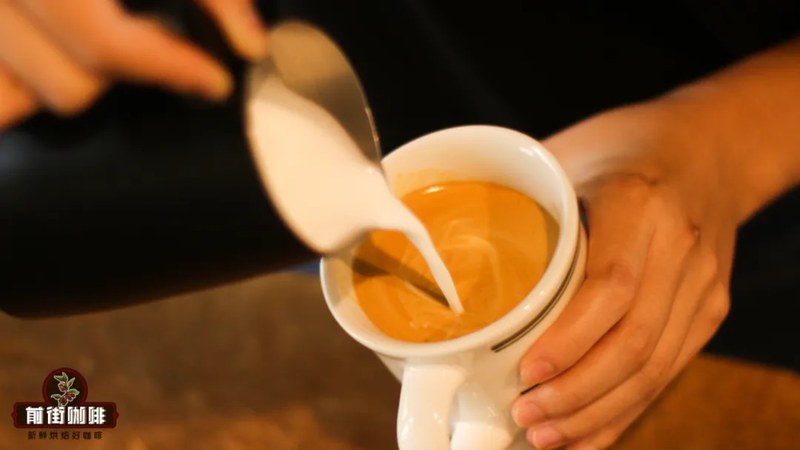
If the menu has more lattes, flat whites and rich milk coffees, Qianjie Black Cocoa Blend coffee beans will have more room to shine. It carries dark chocolate, roasted nuts and cooked sweetness, with restrained acidity, so the espresso ratio does not need to be pulled too long. When the amount of milk is small, a deeper cocoa tone shows in the cup; when the amount of milk increases, a clear coffee backbone still remains.
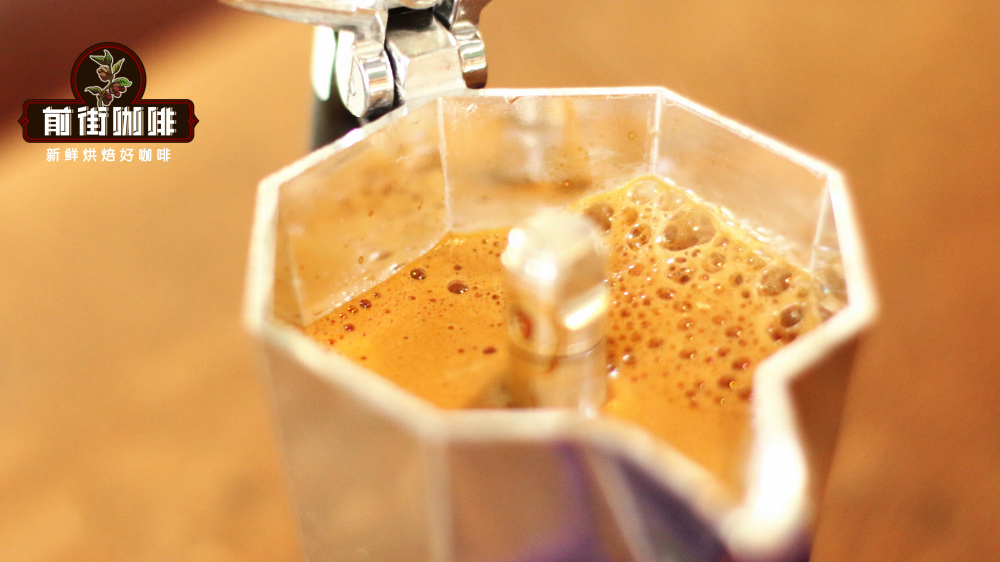
If the shop is equipped with a moka pot, the beans cannot be handled only according to espresso machine thinking. The coffee bed in a moka pot should remain fluffy, the grind can be between espresso and pour-over, the dose is determined by the filter basket capacity, and water temperature and heat directly affect the degree of bitterness and roastiness. Medium-dark roasted beans usually more easily brew out nutty, chocolate and caramel notes, making them suitable for small cups of black coffee or drinking with milk.
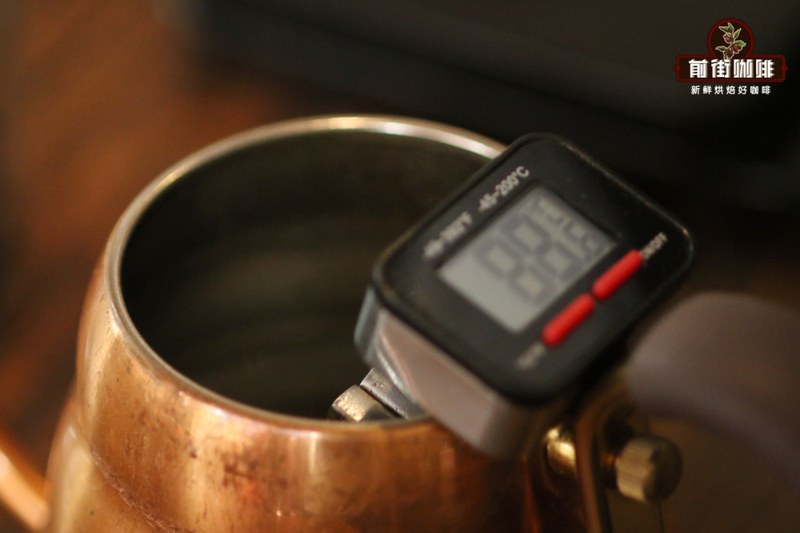
Pour-over equipment faces another set of parameter logic. The dripper, filter paper and pouring kettle change the flow rate, so the beans need clear aroma and must also withstand the pouring rhythm of different staff members. The water temperature can be tested starting from 90 to 94°C, the coffee-to-water ratio adjusted from around 1:15 to 1:16, and then the cup strength controlled through grind size. This type of bean is suitable for a small specialty single-origin menu.
Qianjie Strawberry Candy coffee beans have an aroma leaning toward berry candy and light sweetness. When brewed with a dripper such as a V60, a finer grind and staged pouring can be used to present the aroma in a concentrated way. When made into an iced Americano, the low temperature makes the sweet aroma appear brighter; if making a small amount of milk coffee, the milk proportion can be reduced so that the berry note remains in the cup, creating a memorable point that differs from conventional milk coffee.
Cold brew buckets or ice drip equipment place more emphasis on grind uniformity, contact time and finished strength. Cold brew can start from a coffee-to-water ratio of 1:10 to 1:12, with a slightly coarser grind than pour-over, steeping for about 8 to 12 hours before diluting according to how it will be served; for ice drip, observe the drip rate and total liquid volume. Fruity beans are suitable for refreshing iced drinks, while chocolate-toned beans are more suitable for adding milk or syrup.
Before opening the shop, you can record each type of equipment's basket capacity, target cup volume, commonly used water temperature and service time, then use small-batch tests to confirm bean performance. Espresso machines value strength and consistency, moka pots value heat and body, filter brewing equipment needs harmony between aroma and flow rate, and cold brew requires controlling balance after steeping. Coffee beans selected this way can truly fit the equipment, menu and operating rhythm.
Related Reading
Comments (0)
Loading comments...
You May Be Interested


Trending Reviews
Popular Videos

With you, wherever you are! We provide useful features to help you find new things you'll love






