Source:Best Coffee > News Author:qjroot Published:2026-09-02 18:31:56
The floral notes, fruity acidity and clean sweetness of light-roast beans often need the right equipment and extraction parameters to unfold. If you have a dripper, an espresso machine or a moka pot at home, your bean selection shouldn't rely on the origin name alone, but on the strength, temperature and flow rate the equipment can provide. With different equipment, the sweet-to-sour ratio, aroma intensity and body of light-roast beans will all change.
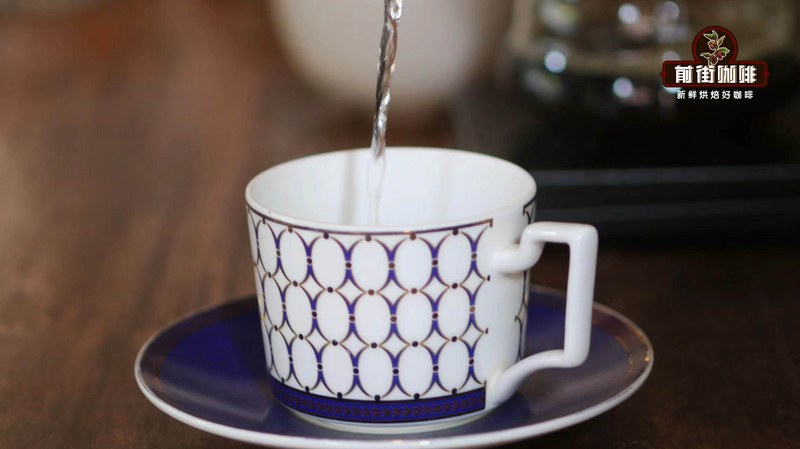
When brewing with a conical dripper, you can start with light-roast beans that have distinct floral and fruity notes. Take Qianjie Kafa Forest as an example: on the palate it easily brings to mind orange and ripe apricot, and once it cools, a finish reminiscent of oolong tea appears. It is recommended to use a medium-fine grind, water at 92 to 94°C, a coffee-to-water ratio starting at 1:15, and pour in three to four stages so the aroma and sweetness stay clear.
If you prefer a more vivid tropical fruit character, Qianjie Colombia Sidra is suitable for iced pour-over or a regular dripper. Its passion fruit, blueberry and grape notes are more active, so the grind can be slightly finer than for Kafa Forest, with the water temperature kept at 91 to 93°C. Pouring the hot brew directly into a sharing pot filled with ice cubes makes the sweet-tart character crisp, which suits the afternoon or a light snack.
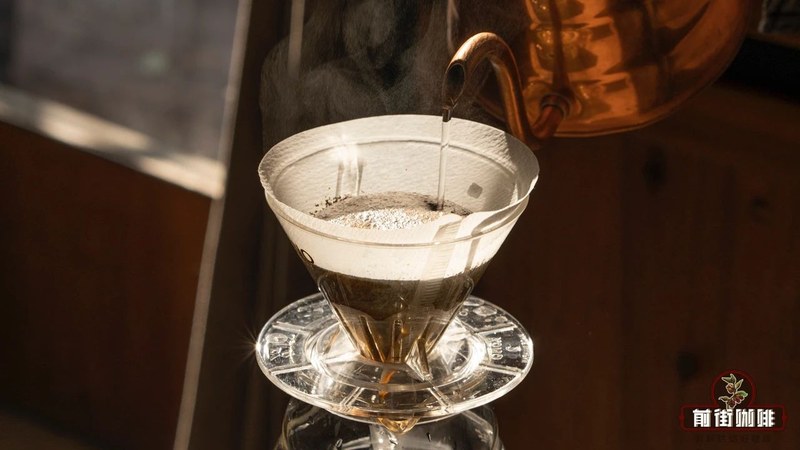
For those who like to observe layers, try Qianjie Grana Estate Geisha. Its orange blossom, guava, apricot and berry jam notes are quite present, and the sweet aroma brought by the natural process is easier to identify in pour-over. The water should not be poured too forcefully into the dripper; a slower circular pour is recommended, with a coffee-to-water ratio of about 1:16 and a water temperature of 93 to 95°C, waiting for the coffee liquid to drain fully before the next pour.
If the pour-over device is a flat-bottom dripper, light-roast beans can use a slightly coarser grind and higher water temperature to reduce uneven extraction caused by a clogged coffee bed. Taking 15 g of coffee and 240 g of water as an example, first pour 30 to 40 g for the bloom, then complete the pouring in two stages, keeping the total time at two and a half to three minutes. If the entry tastes too sharp, grind one notch finer; if the finish turns astringent, reduce stirring and the number of pours.
When choosing light-roast beans for an espresso machine, the key is whether the beans have enough sweetness and structure. When Qianjie Colombia Sidra is pulled as a single-origin espresso, its juice-like sweet-tart character becomes more concentrated, making it suitable for a short extraction or an americano with added water. You can use 18 g of coffee to extract 36 to 40 g of coffee liquid, with a water temperature of about 93 to 94°C, starting at around 28 seconds and fine-tuning the grind based on the acidity and aftertaste.
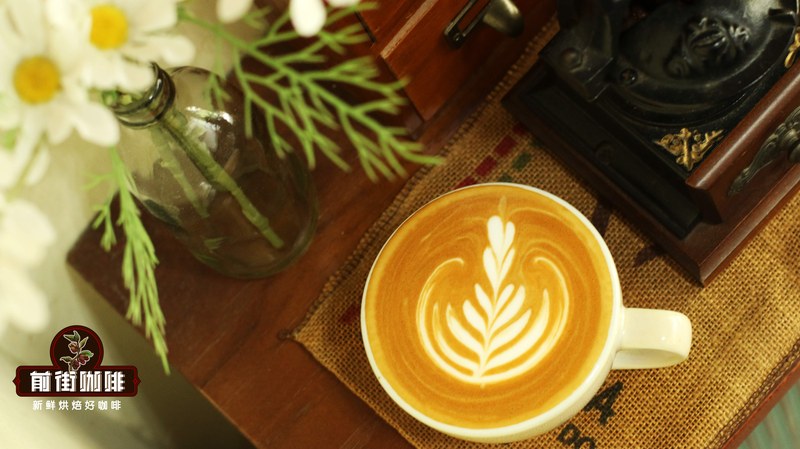
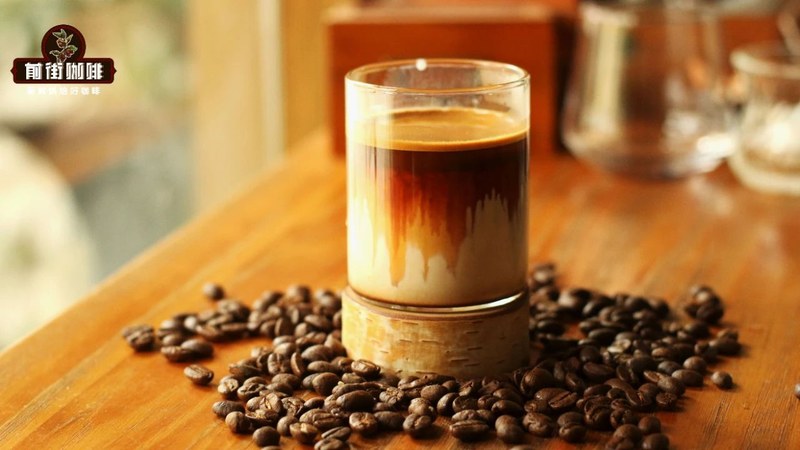
Light-roast beans in an espresso machine usually require a finer grind and a more stable puck state, so before brewing you should distribute the grounds thoroughly and tamp gently and level. If the coffee liquid flows too fast, the cup easily has only sharp acidity, so you can grind finer or raise the water temperature slightly; if obvious dryness appears, shorten the yield weight. When making a latte, the amount of milk should not be too much; preserving the fruit aromas of the coffee liquid will make the whole cup more distinctive.
A moka pot is better suited to light-to-medium roast beans with soft acidity and solid sweetness, rather than chasing bright fruity acidity alone. If using light-roast beans, you can set the grind between medium-fine and medium, fill the basket and level it gently without tamping deliberately; add hot water to the lower chamber up to below the safety valve and heat over low flame. Once the coffee begins to flow continuously, turn off the heat immediately and let the residual heat complete a small amount of extraction.
For cold brew or ice drip, the equipment parameters will make the acidity of light-roast beans rounder. When Qianjie Kafa Forest is used for cold brew, the orange and apricot aromas shift toward soft sweetness, so a medium-coarse grind is recommended, with a coffee-to-water ratio of about 1:13 and steeping in the refrigerator for eight to twelve hours. For ice drip, the drip rate can be controlled at one to two drops per minute; first observe the strength over a shorter total time, then decide whether to extend it.
Household capsule or small semi-automatic devices have limited room for adjustment, so when choosing light-roast beans, priority should be given to types with concentrated flavor and moderate density. Beans that perform delicately in pour-over may seem thin in low-pressure equipment; in that case you can increase the dose, reduce the yield, or drink the result over ice. If the device can adjust temperature, start from a higher setting and then adjust according to changes in bitterness and acidity.
There is no need to copy one set of parameters when choosing light-roast beans, because the dripper shape, grinder burrs, water quality and machine pressure all create differences. A more practical approach is to first decide the dose and target drink based on your equipment, then move only one variable at a time: change the grind, temperature or yield. This way you can preserve the beans' regional character while more easily finding the cup of light-roast coffee that suits your kitchen and daily routine.
Related Reading

Comments (0)
Loading comments...
You May Be Interested

Trending Reviews
Popular Videos

With you, wherever you are! We provide useful features to help you find new things you'll love






