Colombia Cauca Paradise Estate Cherry BlossomCoffee Beans
Origin
- Region: Colombia Cauca
- Variety: Bourbon
- Process: Anaerobic Natural
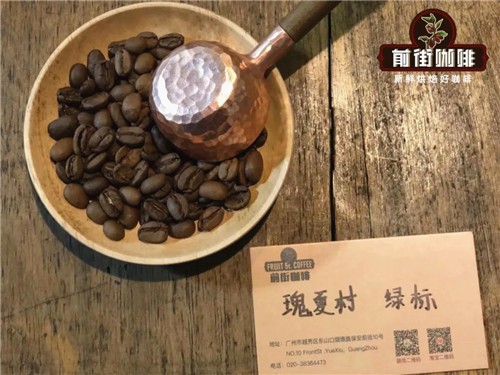
- Roast: Cinnamon Roast
- Altitude: 2050 meters
- Sample Batch:
- Grower:
Flavor Notes:
Aroma includes light fermentation, cream, and almond notes, with citrus, orange, chocolate, nutty, tea-like, and caramel flavors
- Aroma: Medium
- Cleanliness: Medium
- Sweetness:Medium
- Acidity:Medium
- Body:Medium
- Bitterness:Average
- Aftertaste:Medium
- After Cooling:Medium
Colombia Cauca Paradise Estate Cherry BlossomCoffee Bean Intro:

| Colombia Cauca
Colombia is currently the world's third-largest coffee-producing country, after Brazil and Vietnam. Commercial coffee cultivation began in the 1830s, and by the 20th century, coffee became the largest export crop. The mountainous terrain and diverse tropical microclimates provide ideal growing conditions. Seventy-five percent of the total production is exported, making it the most important source of foreign exchange earnings.

Cauca Province is a Colombia Coffee Origin Certified region, with an average elevation of 1758m and a maximum elevation of up to 2100m. The region's terrain, precipitation, temperature, and volcanic soil create optimal conditions for coffee cultivation. Eighty percent of the area is mountainous, with parallel mountain ranges in the eastern and central parts, part of the Andes Mountains. The central mountain range includes two major volcanoes, Sotara and Petacas. Like other southwestern producing regions, Cauca's borders exhibit a distinct monomodal rainfall pattern, with the dry season primarily occurring from August to September. The subsequent rainy season brings concentrated coffee flowering, followed by the main harvest season the following year.
| Paradise Estate Finca El Paraiso
Paradise Estate (Finca El Paraiso) is a coffee farm managed by Mr. Diego Samuel since 2008. Initially, it was a small family-owned farm of just 2.5 hectares. The owner reinvested the surplus from each harvest into coffee agricultural research, continuously exploring how to better produce premium flavors. In 2015, he participated in a local regional competition for the first time and won first place. This breakthrough brought industry recognition and further motivated him to promote specialty coffee cultivation.

Through his company Indestec (Innovacion y Desarrollo Tecnologico para la Caficultura), Diego has developed new innovative technologies to improve and stabilize coffee quality. He says he enjoys stepping out of his comfort zone because it continuously helps him improve. Paradise Estate currently grows mainly Bourbon, Laurina, Gesha, Castillo, and other varieties, and plans to experiment with more different cultivars.
| Processing Method Anaerobic Natural
Anaerobic (Anaerobic) fermentation is a very popular post-harvest processing method in recent years. Typically, coffee cherries are placed in a sealed container or in a washing tank to ferment in water. During this process, different microorganisms are used to ferment and create unique flavors. After fermentation, the coffee cherries are dried in the sun.

• Fermenting in a sealed environment makes it easier to control various factors, resulting in more consistent coffee beans per batch and preventing the volatilization of aromatic compounds. Coffee beans processed with this method often have a fuller body and wine-like aromas.
Castillo variety
Castillo
Starting in 1961, the Colombia Coffee Research Center began research. As part of ongoing studies on rust-resistant varieties such as Caturra and Timor Hybrid, after 23 years of research, they developed six varieties of the Castillo cultivar, which were widely planted starting in 2005. Now, about 45% of coffee plantations in Colombia grow Castillo.

Castillo is known for its smoothness, aroma, and lemon acidity. According to blind taste tests by the Colombia National Coffee Research Center, Castillo's flavor can match the quality of Caturra and Bourbon.

Follow the official account and sendRead Full Article Free
Region Intro:
Cauca Department, whose name comes from the Cauca River. Located in southwestern Colombia, together with Narino Department and Huila Department it is one of Colombia's important specialty coffee regions.
Cauca Department is a region certified under Colombia's coffee origin designation, with an average altitude of 1758m and a maximum altitude that can rise to 2100m. The area's terrain, rainfall, temperature and volcanic soil provide suitable conditions for coffee cultivation. 80% is mountainous, with parallel mountain ranges distributed in the east and center that are part of the Andes; the central range includes two main volcanoes, Sotara and Petacas, and on the border
Brewing Tips:
Recommended brewing method: Pour Over
Filter: V60
Water temperature: 90-92°C
Coffee dose: 15g
Coffee-to-water ratio: 1:15
Grind size: Medium-fine (80% passing through a 20-mesh sieve according to Chinese standards)
Brewing technique: Pulse pouring
Bloom with 30g of water for about 30 seconds. Pour 125g of water in small circles centered around the cone. When the water level drops and is about to expose the coffee bed, continue pouring to 225g. Remove the filter when the water level is about to expose the coffee bed again. (Start timing the bloom.) Total brew time: 2'00".
Flavor Cup Report:
As mentioned earlier in this article, this coffee bean exhibited strong floral or vanilla notes during cupping at Front Street. The dry aroma includes basil and rosemary scents, while the wet aroma features sweet chamomile and strawberry jam. The overall flavor profile includes chamomile, basil, rosemary aromas, strawberry jam fermentation notes, and the sweet-tartness of strawberries.