Colombia Finca El Diviso Double Anaerobic Natural Sidra Coffee BeansCoffee Bean Intro:
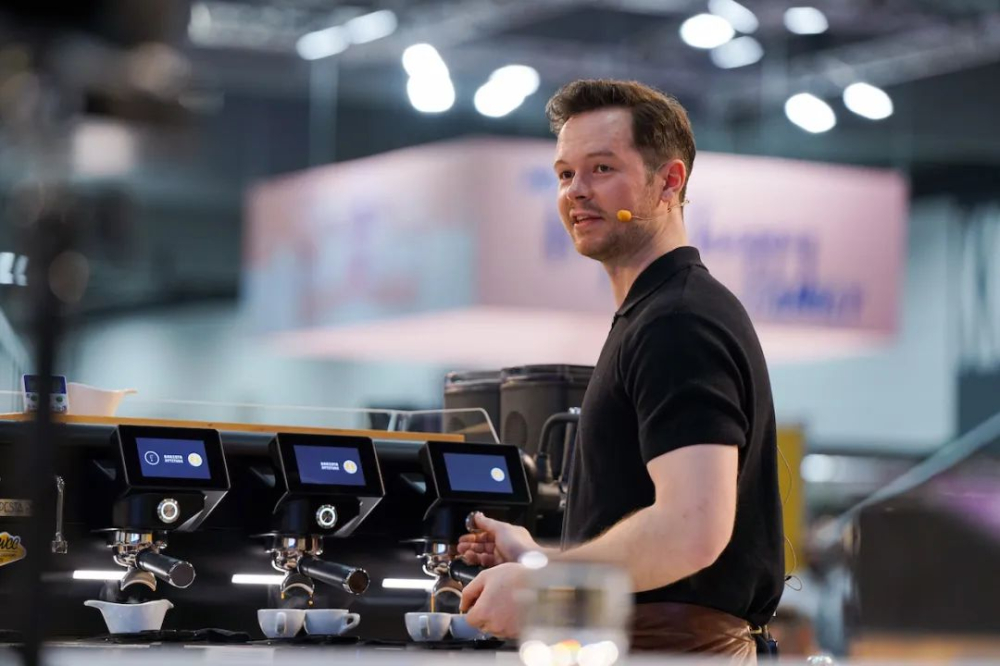
At the 2022 World Barista Championship, champion barista Anthony Douglas used Colombian Sidra coffee beans in the competition. Coincidentally, at the 2019 World Barista Championship, the then-champion barista Jooyeon Jeon also used Sidra coffee (though it was from Ecuador). This has drawn attention to what Sidra coffee is.
Through research, Puxiang Street found that Sidra coffee originally comes from Pichincha Province in Ecuador, where the variety is locally called Sydra. According to available information, Sidra is a lab-developed variety, a hybrid of Typica and Red Bourbon. Later, genetic comparisons revealed that Sidra shares similar genes with Ethiopian native varieties, leading some scholars to speculate that Sidra may be a hybrid of an Ethiopian experimental variety and local Bourbon coffee plants in Ecuador. Currently, the Sidra variety is mainly grown in Ecuador and Colombia.
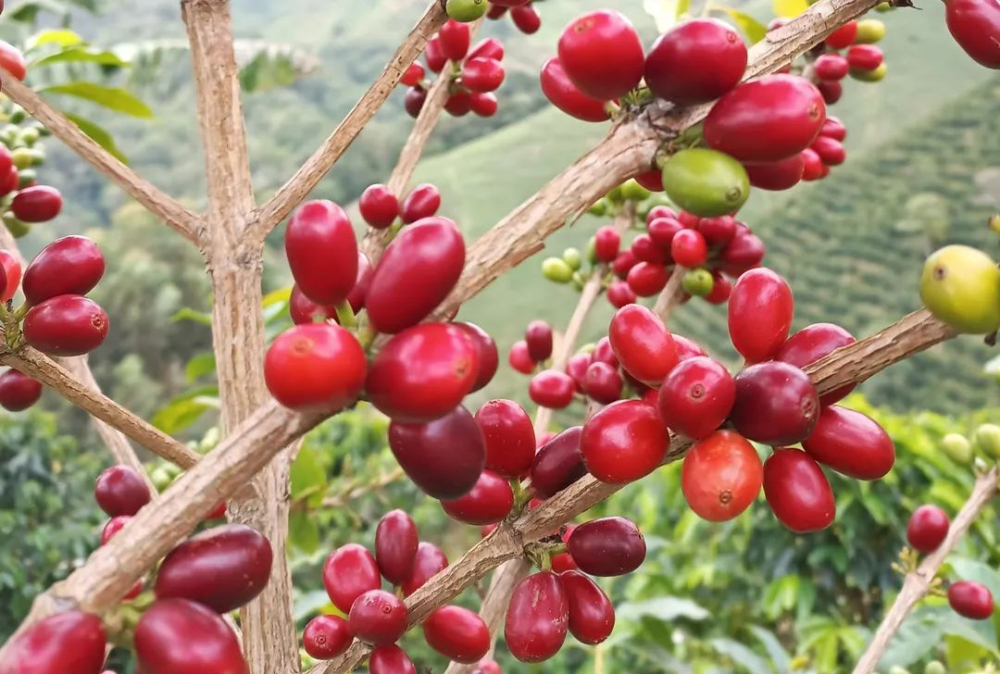
Following Anthony Douglas' competition exposure, people began seeking out the champion barista's coffee beans. The Sidra beans Anthony used come from Finca El Diviso in the Huila region of Colombia.
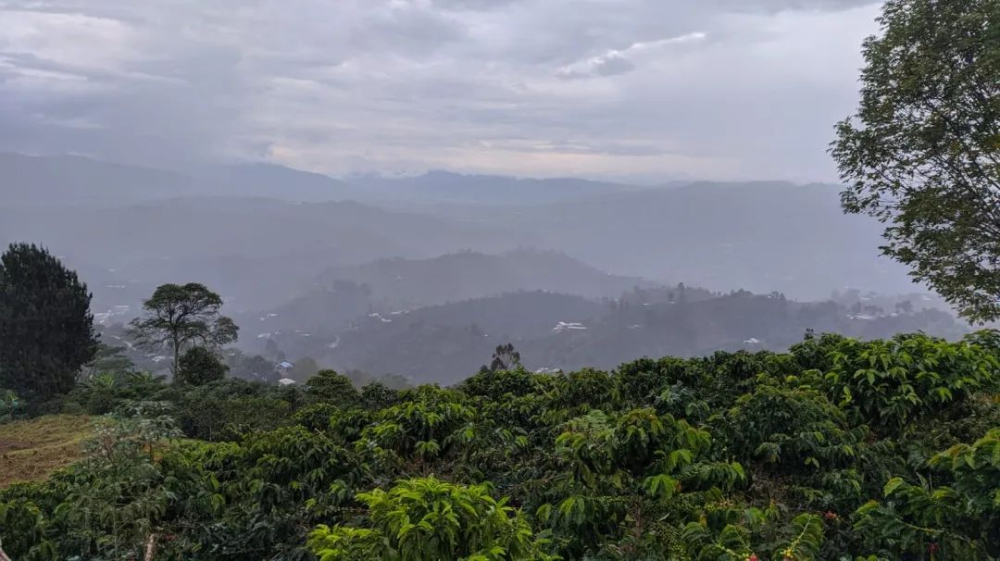
Finca El Diviso is located in Huila, one of Colombia’s most renowned coffee-growing regions. Situated at an altitude of approximately 2,100 meters, the farm covers 14 hectares. It is a family-run coffee estate, founded by Jose Uribe Lasso in 1996, with over 25 years of coffee-growing experience.
It is now primarily managed by Nestor Lasso, a young and driven individual whose grandfather introduced him to the world of coffee. His father inherited the farm and excelled in coffee cultivation. Influenced by his family, Nestor continuously refines his coffee-growing and processing techniques, cultivating twelve varieties including Caturra, Colombia, Sidra, Castillo, Gesha, and Bourbon.
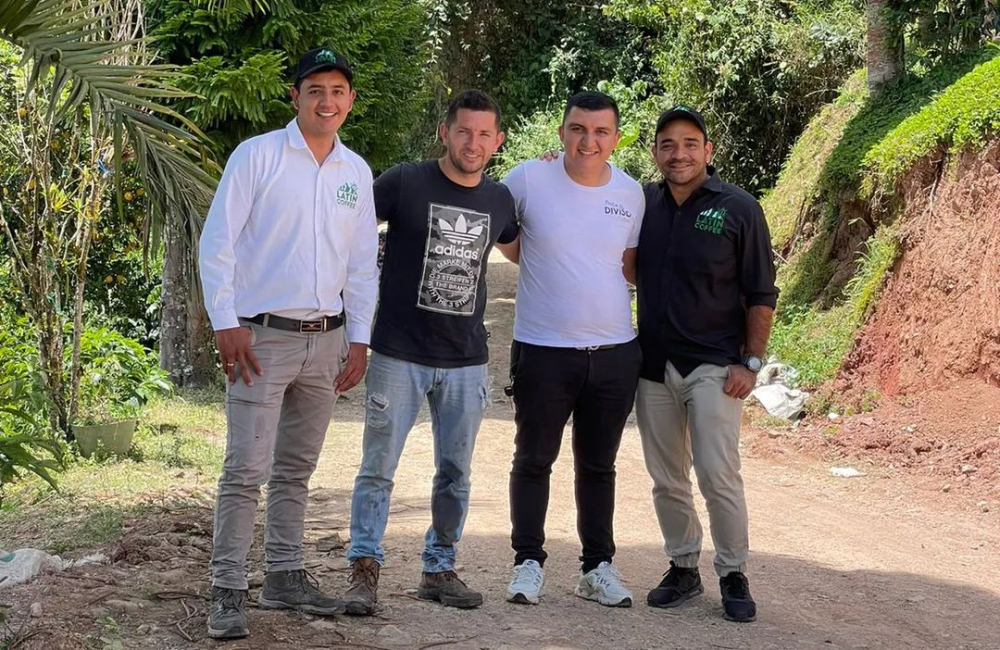
The Lasso family jointly manages the estate, and the continuous improvement in coffee bean quality has brought Nestor greater rewards. They have successfully established a new large-scale farm to grow and produce even higher-quality coffee beans, striving to become a great family-owned estate.
For Nestor, Finca El Diviso is a fortunate new beginning. He believes that the fertile land of Huila allows anyone willing to work hard to escape poverty by growing coffee on nutrient-rich soil.
Given that Sidra is still relatively rare and possesses floral and fruity characteristics comparable to Gesha—showcasing flavors such as peach, citrus, grape, and honey with balanced acidity and a round mouthfeel—it commands a relatively high price.
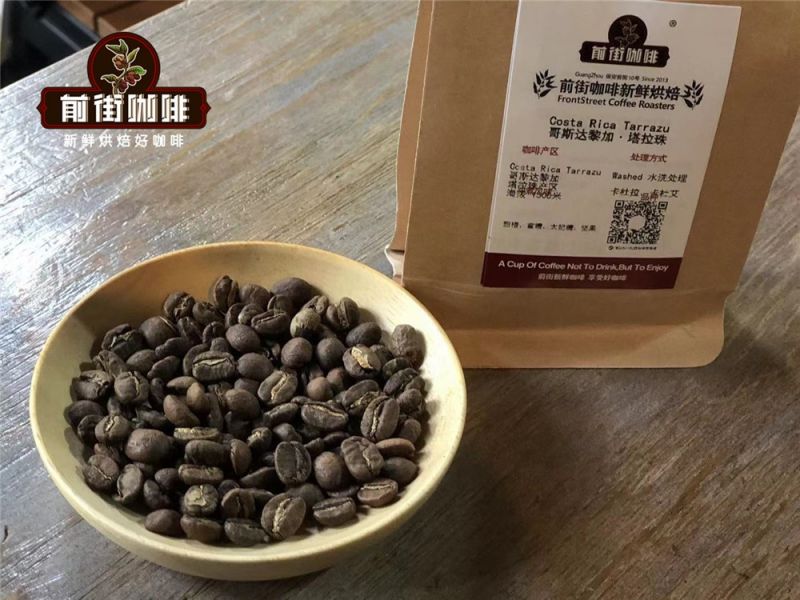
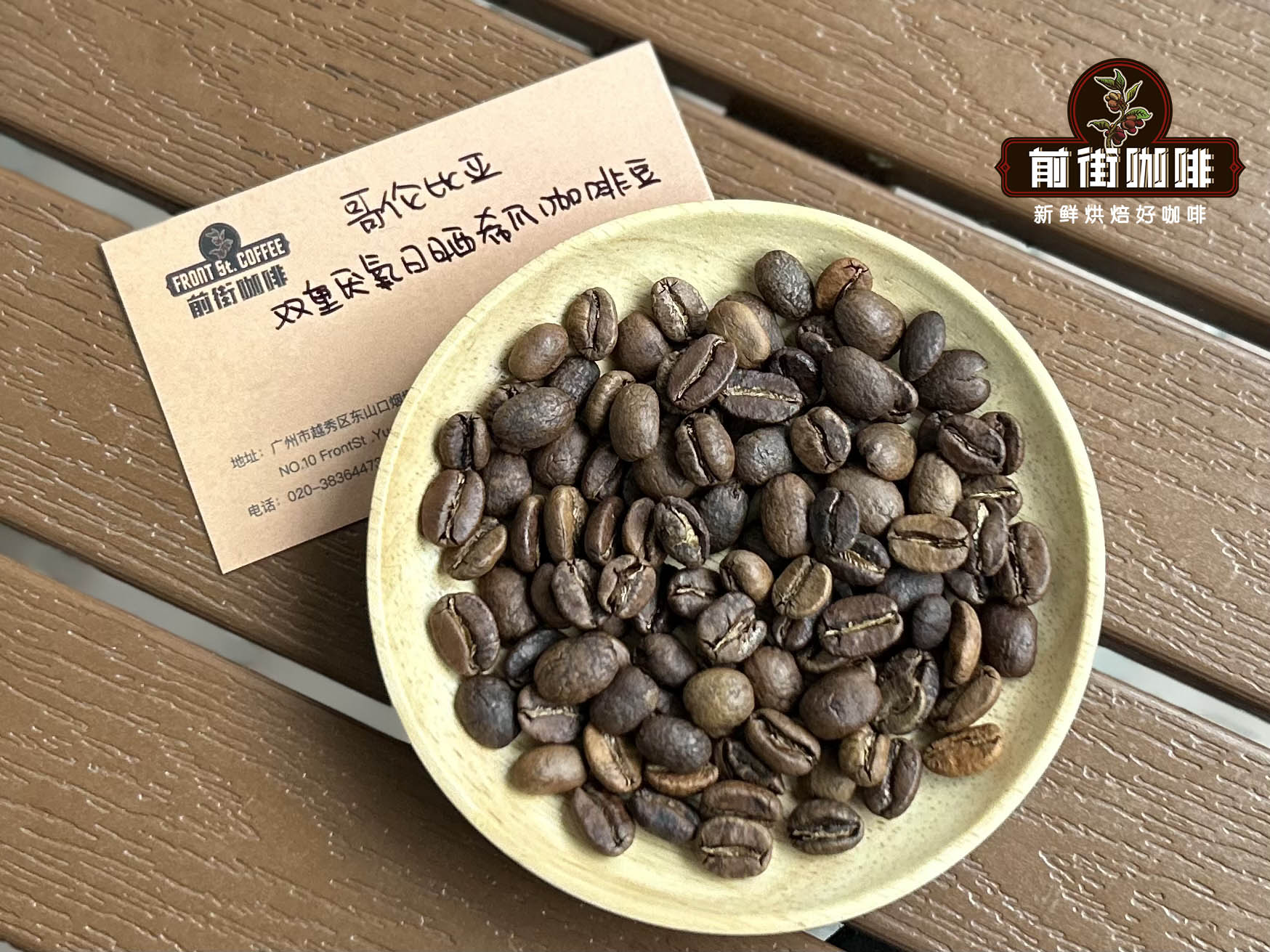
Puxiang Street has also imported Sidra coffee beans from Finca El Diviso. These beans undergo a double anaerobic natural process, highlighting the coffee’s rich acidity. Puxiang Street uses a medium-light roast, and cupping notes include rich fruit flavors such as grape, passionfruit, strawberry, and apricot preserve.
Region Intro:
The Huila Department is located in the southern part of the Central Cordillera in southern Colombia and is the country's most famous specialty coffee-producing region. This area consists of mountain-surrounded hills, with cultivation at altitudes above 1500 m; the most important rivers in Colombia converge here, bringing quite abundant water resources and moisture.
Unlike the common impression of mass-market Colombian coffee as balanced, mellow and smooth, many Colombian specialty coffees produced in smallholder micro-batches actually have very distinctive regional flavor characteristics. In recent years, as the international market has placed greater importance on coffee quality and on specialty coffee requirements, the previous system of grading by bean size has gradually been abandoned, shifting mainly to micro-regional selections (Micro-regional selections) provided by smallholder coffee farmers organized by micro-producing regions, with dozens of smallholders contributing their individual harvests consolidated into one