Costa Rica Dota EI Diosa GeishaCoffee Bean Intro:

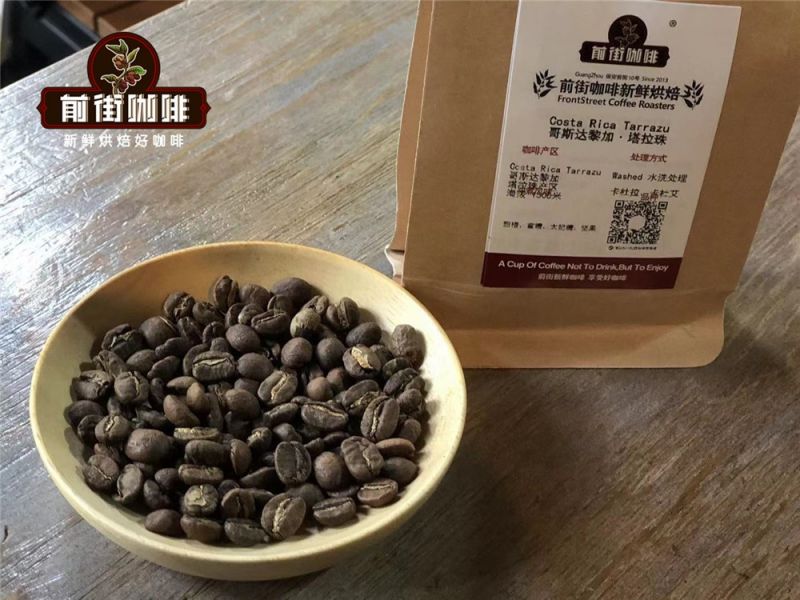
CostaRica EI Diosa Geisha
Proud Mary Coffee: Costa Rica · Dota EI Diosa Geisha
Origin: Costa Rica
Region: Tarrazu
Farm: Dota EI Diosa
Variety: Geisha
Elevation: 1800m
Processing Method: Anaerobic Enzymatic Washed
| Region (Tarrazu, Costa Rica)
Located on the Central American isthmus, Costa Rica benefits from the climate regulation of both the Pacific and Atlantic currents and sea breezes. The country is home to numerous towering volcanoes reaching altitudes of 2000 meters. Coffee cherries grow slowly in the fertile volcanic ash soil and cool high-altitude environment, producing coffee beans with complete and rich flavors.
Costa Rica has two distinct seasons each year: the dry season runs from December to April, which is the coffee harvest period, while the wet (rainy) season is from May to November. In recent years, many micro-processing plants have been established. These require only 5% of the water used by traditional washed processing plants and do not need large fermentation tanks or drying patios, resulting in significantly lower investment. "Honey-processed coffee," characterized by low acidity, increased complexity, and rich sweetness, has thus become a sought-after focus in the coffee industry in recent years.

Coffee cultivation in Costa Rica began over two hundred years ago, initially planted on the slopes of the Poas and Barva volcanoes, now known as the Central Valley. Currently, Costa Rica has eight main coffee-growing regions: West Valley, Central Valley, Tarrazu, Tres Rios, Orosi, Brunca, Turrialba, and Guanacaste.
The Tarrazu region has a long history of coffee production and was once favored and recognized by the British royal family. It was even praised in a speech by the Pope. Tarrazu is one of the most valued coffee-growing areas in Costa Rica and one of the world's major coffee-producing regions. The volcanic soil in Costa Rica is extremely fertile and well-drained, making it the first country in Central America to commercially cultivate coffee and bananas.
| Dota EI Diosa Farm
The Dota EI Diosa Farm is located in the Dota region within Costa Rica's most renowned Tarrazu area, known for producing micro-lots of Geisha/Geisha varieties.

As early as 1865, the Dota region was known for its high-quality Costa Rican coffee. Because the road extending from the capital to the Dota Valley passes through the Tarrazu region, the Costa Rican coffee authorities later habitually labeled the region as Dota Tarrazu when delineating sub-regions. This area features a typical plateau terrain, with both soil and climatic conditions being ideal for coffee cultivation.
The Dota EI Diosa Farm was established in the 1960s. The farm owner is a close friend of Pachi Serracin, the widely acclaimed "father of Panamanian Geisha/Geisha." Pachi Serracin brought the Geisha/Geisha variety back from CATIE, the world's largest industrial scientific research station for coffee species and varieties in Costa Rica. The Dota EI Diosa Farm grows coffee organically, using native trees and fruit trees for shade.

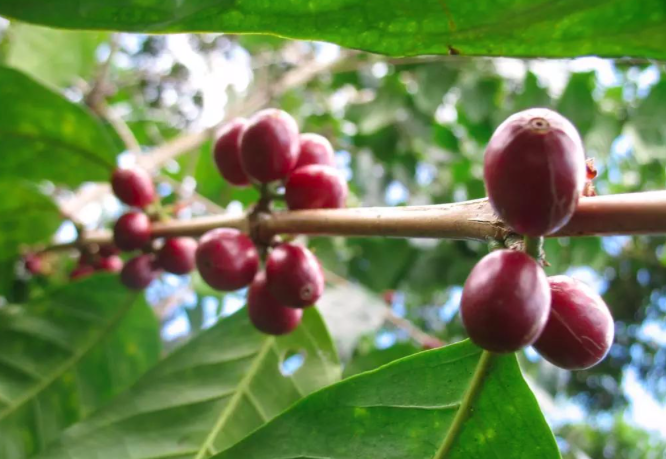
The fertilizers used are made by mixing coffee cherry pulp with molasses, incorporating mineral-rich fertile soil from nearby mountains, and fermenting it with microorganisms to create organic fertilizer that enhances the coffee plants' disease resistance. California earthworms are also used to cultivate the soil, directly serving as the primary nutrient source for coffee trees during fertilization. Multiple coffee varieties are interplanted, and only fully ripe red-purple cherries are selected. The soaking and fermentation process is meticulously controlled to develop a unique constant-temperature processing method. The precise level of fermentation achieves an excellent balance between clarity and complexity, resulting in more stable and captivating flavors.
| Geisha Variety
The Geisha coffee variety is an original Arabica species that is particularly demanding in terms of growing conditions, requiring high altitude, cloud cover and shade, fertile soil, and sufficient accumulated temperature.

The Geisha (Geisha) variety was discovered in 1931 in the Gesha Forest of Ethiopia and later sent to the Coffee Research Institute in Kenya. It was introduced to Uganda and Tanzania in 1936 and to Costa Rica in 1953.
| Processing Method (Washed)
The Costa Rica Dota EI Diosa Geisha is processed using the washed method.
Selecting coffee cherries —— Removing the pulp —— Fermentation —— Washing —— Drying —— Hulling

The selected coffee cherries are placed in a pulper to initially remove the skin and pulp. The coffee beans, still coated with residual pulp and mucilage, are soaked in water for about 24 hours to ferment. After fermentation, the parchment-covered beans are washed in a flowing water tank to remove the pulp and mucilage. The beans are then dried in the sun or with a dryer until the moisture content is reduced to around 12%. Finally, the parchment is removed from the green coffee beans.