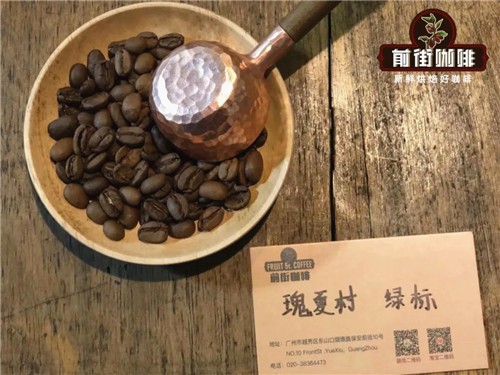
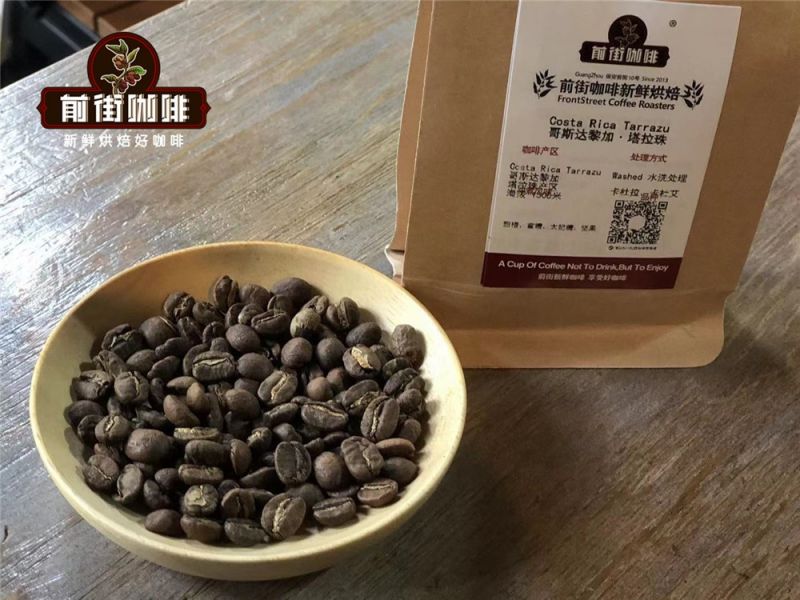
Emerald Estate Blue LabelCoffee Bean Intro:
[Emerald Estate Blue Label Geisha]
Country: Panama
Region: Bouquete
Farm: Emerald Estate
Elevation: 1500 meters
Processing Method: Washed
Variety: Geisha
Region Introduction
Emerald Estate Bouquete
What is Blue Label Geisha?
Grown at an altitude of 1,500 meters
A blend of beans from three different farms: Jaramillo, Cañas Verdes, and El Velo
Subtle floral, fruity acidity, sweetness; less body in flavor
Only washed processed green beans for this grade of Geisha
The famous Geisha (also known as Gesha) originated in the small mountain town of Bouquete on the eastern slopes, at the Emerald Estate.
Bouquete, with its beautiful landscapes, has long been a haven for elite Westerners to retire. With a population of 20,000, over 2,000 are highly educated expatriates. The coffee farm owners here speak and write fluent English and European languages, have a global outlook, and the highest proportion of PhDs or master’s degrees among all coffee-producing countries.
As early as 1904, during the construction of the Panama Canal, a large number of European engineers and senior management were hired to work in the hot eastern city of Panama City. After the canal was completed in 1917, these intellectuals—especially those from Northern Europe—fell in love with Bouquete. The cool climate, spring-like seasons, led many to stay, buy farms, and retire here, enjoying the misty and fragrant living environment.

The Discovery Story of Geisha (also known as Gesha)
In 1980, Price introduced the Caturra and Catuai varieties. In 1994, he established a washed processing plant. In 1996, Price heard that there was a farm in nearby Jaramillo with great coffee, rich in citrus flavor, so he bought the Jaramillo coffee farm and merged it into the Emerald Estate. Initially, the Peterson family mixed the coffee from both farms for sale but always sensed a subtle orange blossom honey aroma and elegance, distinct from the plum fruit flavors typical of Central American coffees.
One day in 2002, Daniel, Price’s son, had a sudden insight that this unique flavor profile must come from a single variety in a specific planting area. So he cupped all varieties from different elevation zones on the farm.
The cupping results revealed that the universally loved floral honey and citrus notes came from the windbreak area on the edge of Jaramillo. This area had the highest elevation, about 1500–2000 meters. The coffee trees were tall and slender with sparse leaves and unimpressive appearances. The vertical spacing between branches was larger than normal coffee trees, and the distance between each flowering and fruiting bud reached 7.26 cm. This indicated low-density flowering and fruiting zones on each branch, making it a low-yield variety with little economic value, which might be why it was relegated by previous owners to the most remote, windiest areas to serve as windbreaks, shielding other high-yield varieties with shorter, denser branches from strong winds.

Their conclusion was that the unidentified coffee trees in the windbreak area possessed unique genetics and required high-altitude conditions above 1500 meters, enduring cold winds and mountain air, to develop their extraordinary flavor profiles.
Ordinary coffee trees could not survive in the Jaramillo windbreak due to the fierce winds and low temperatures, but these tall, slender coffee trees thrived. Their cherries were also plumper than average and less prone to being blown off. Despite the low yield, their citrus honey flavors were mesmerizing. But what variety were they?
After extensive inquiries, they learned that this variety was called Geisha (also known as Gesha), introduced in 1963 by Don Pachi, an Italian working for the agriculture ministry. However, because it was planted at elevations around 1200 meters, yielding poorly, with small beans and poor flavor, it was abandoned.

Large Processing Equipment
In 2004, Jeff, an expert in green bean purchasing for Intelligentsia, served as a BOP judge. He recalled: twenty-five Panamanian specialty coffees made it to the finals, but one puzzled the judges. It exuded citrus, lime acidity, sugarcane sweetness, jasmine—filling the room. When sipped, it was like flowers blooming, fireworks in the mouth. Even Ethiopian Yirgacheffe couldn’t match such intense citrus honey notes. The champion bean had already been decided. The farm owner Price explained that this bean was of the Geisha variety. Since then, Geisha gained worldwide fame.
Coffee Trees Under Shade
It can be said that European engineers who retired a century ago were the pioneers of Bouquete’s livestock and coffee cultivation industries. The advanced washed processing plants and agricultural facilities here are the legacies of those engineers.
Emerald Estate (La Esmeralda Estate)
Emerald Estate is located on the edge of the Baru volcano. Therefore, before gaining fame, the coffee beans produced in the region were often named after the Baru mountain. The area around Bouquete boasts beautiful scenery, with numerous leisure hotels, villas, and resort estates. Even along the important Rio Caldera river, Emerald Estate (La Esmeralda) is situated on the right side of Jaramillo, later expanding to higher-elevation coffee cultivation on the left side of Canas Verdes. All this was thanks to Rudolph Peterson’s decision to purchase the estate.
The Peterson Family
First-generation owner of Emerald Estate: Rudolph A. Peterson

In 1964, Swedish-American financier Rudolph A. Peterson retired and moved to Panama, purchasing the Emerald Estate in Bouquete, initially focusing on dairy farming. Formerly the president of an American bank, he was a big figure in the financial circle at the time. Rudolph bought Hacienda La Esmeralda just for vacation and retirement purposes and likely did not expect the estate to become world-famous or even a representative of Panama’s specialty coffee farms. In 1973, his son Price Peterson earned a Ph.D. in neurochemistry in the United States but returned to Bouquete to help manage the farm. Price redefined the market by dividing it into three major brands based on elevation, microclimate, cupping performance, and planted varieties (Esmeralda Special, Diamond Mountain Grows, Palmyra). Starting in 2012, Geisha (also known as Gesha) was added as a fourth brand.
[Emerald Estate] includes four farms: Cañas Verdes, El Velo, Jaramillo (Harlem You), and Palmira. All coffee beans are processed at these four farms. The first farm purchased by the Peterson family was Palmira.
Emerald Special is an independent auction hosted by Emerald Estate itself, exclusively featuring Geisha, divided by production block names, with each block further subdivided into small lots for auction. Only Geisha lots independently auctioned by the estate can use the Emerald Special name. Since 2013, Emerald Special has had nine lots.
(2) Processing Method Introduction
The washed and fermented method is used to remove the skin, pulp, and mucilage. Farms using the washed method must build washing tanks and have a continuous supply of fresh water. During processing, the fermented beans are placed in the tank and agitated back and forth. The friction of the beans and the force of the water clean the beans to a smooth and clean state.
After washing, the coffee beans are still enclosed in the parchment layer, with a moisture content of 50%. They must be dried to reduce the moisture content to 12%; otherwise, they will continue fermenting, molding, and deteriorating.
The better processing method is sun drying, which takes 1 to 3 weeks but yields exceptional flavor and is highly favored.