Geisha from Finca San PedroCoffee Bean Intro:
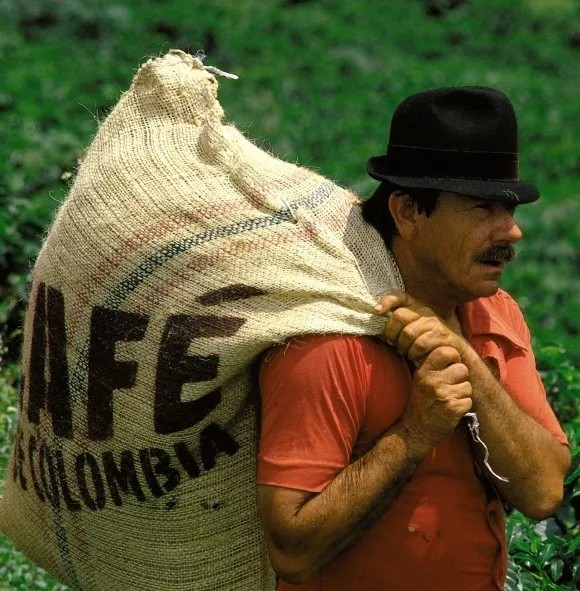
Colombia is located in the northwest of the South American continent, bordering Panama in Central America. From an aerial view, its western edge looks as if it were scratched by a cat; from north to south, three vertical claw marks are left. The country’s famous coffee-growing regions are scattered among these Andes Mountains with fertile volcanic soil.

Tolima borders Huila and Cauca, with the north-south-running Andes Mountains (M. Andes) and Cordillera Mountains (M. Cordillera) traversing the area, and the Magdalena River (R. Magdalena) running from south to north between these two major mountain ranges.
The name Tolima comes from the earliest inhabitants here, the “Pijaopeople.” In their ancient language (Pijao word), tolima means “snow-covered.”

Farms in Tolima are generally slightly larger than those in other southern Colombian producing regions, ranging from about 10 to 15 hectares. Cooperatives are also popular here, with farmers delivering small batches of freshly picked coffee cherries to cooperative processing facilities. Some farmers also choose to process independently, using their own small-scale facilities capable of handling the day’s harvest.
Finca San Pedro is located in the village of Vereda La Marimba, a village where most of the region’s top-tier coffee is grown. His son Alberto is a community leader who works with many neighbors in the family to improve coffee quality across the region.

The processing method at Finca San Pedro is exemplary, featuring one shallow tank for removing unripe cherries and another for fermenting coffee cherries. The cherries ferment for 20–24 hours, followed by 5–7 rounds of washing after fermentation, and drying on brand-new parabolic beds.
For them, this new drying bed is a significant improvement—their original drying bed was only 12 square meters, meaning there wasn’t enough space to evenly dry all the coffee during peak harvest season. Now, with a new 47-square-meter bed, all the beans can be slowly and thoroughly sun-dried.
Geisha is pronounced the same as the Japanese word for geisha, hence it is also nicknamed the “geisha coffee.” Because the tree variety is taller than typical coffee trees, it was originally planted in a small area within the estate and used as a windbreak.

The Geisha (Geisha) variety was discovered in 1931 in the Gesha Forest in Ethiopia and later sent to the Coffee Research Institute in Kenya. It was introduced to Uganda and Tanzania in 1936 and to Costa Rica in 1953.
Geisha coffee is particularly demanding in terms of growing conditions, requiring high altitude, cloud shade, fertile soil, and sufficient accumulated temperature. The average altitude is 1625 meters, with an annual average temperature between 16°C and 25°C, and average rainfall of about 3500 mm. This plantation uses semi-shaded cultivation, with all trees sourced from local unique varieties.
This Colombian Geisha variety coffee is processed using the washed method.

Screening coffee cherries—removing pulp—fermenting—washing—drying—hulling
The screened coffee cherries are placed in a pulper to initially remove the skin and pulp; the coffee beans with residual pulp and mucilage are then placed in water to ferment for about 24 hours; after fermentation, the parchment-covered beans are washed in a flowing water tank to remove the pulp and mucilage; after washing, the beans are dried in the sun or with a dryer until the moisture content is reduced to around 12%. Finally, the parchment is removed from the green beans.
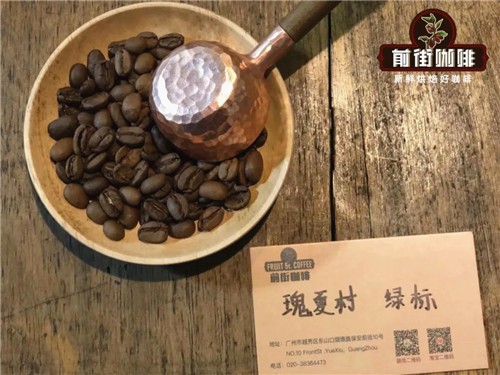
During roasting, due to the high altitude and harder bean texture of this batch, Best Coffee chose a light roast to highlight the beans’ characteristics and aroma. This roast level better brings out the beans’ intrinsic qualities. Medium heat is used for dehydration, with development for 1’30” after first crack, and the beans are dropped at 190°C.