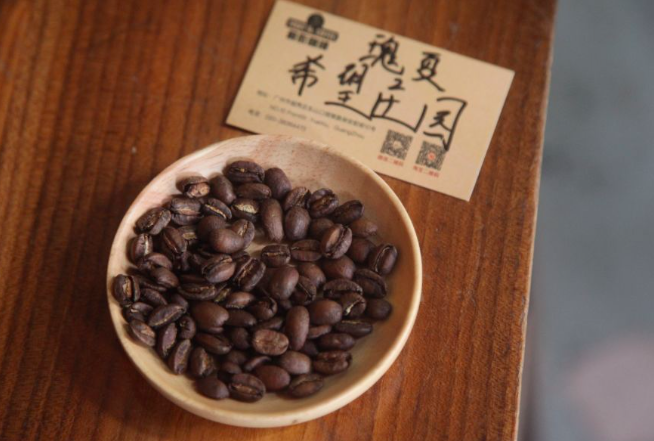
Hopes Estate Gesha, ColombiaCoffee Beans
Origin
- Region: Colombia Cauca
- Variety: Geisha
- Process: Natural process
- Roast: Cinnamon Roast
- Altitude: 1,800M
- Sample Batch:
- Grower:
Flavor Notes:
Colombian Hopes Estate Gesha coffee beans: Floral jasmine notes with subtle tea-like aroma, sweet orange, lime, ginger sugar, honey, cream, and oolong tea
- Aroma: Strong
- Cleanliness: Medium
- Sweetness:Medium
- Acidity:Medium
- Body:Medium
- Bitterness:Average
- Aftertaste:Strong
- After Cooling:Medium
Hopes Estate Gesha, ColombiaCoffee Bean Intro:

Pony Coffee: Colombia · Hopes Estate Gesha
Processing method: Natural Flavors: Blackcurrant juice, blueberry, orange, dark plum, red wine Over the past decade, a coffee farm in Colombia has won over 60 awards at major coffee competitions around the world. These aren’t just limited to top-tier international contests but also include regional competitions like those in Colombia and Panama. BOP As a result, the farm is dubbed by insiders as the “golden child” of the coffee world. And it is the star of this article from Pony Coffee—Hopes Estate. 
Hopes Estate « Cafe Granja La Esperanza」 Before diving deep into Hopes Estate, it’s important to know that while it is indeed the name of a single estate, when you see it listed in competitions or rankings, it doesn’t refer to just one farm. Instead, it represents a collective of multiple farms operating under the unified name of Hopes Estate for competition and sales purposes.
To understand how this came to be, we have to go back to a Colombian couple, Blanca Ligia Correa and Juan Antonio Herrera. In their earlier years, they worked several years under an allocation labor system, during which time they were assigned to work on a farm called Posito. (Postosi) There, they started a new chapter in their lives. 
After working there for several years, the couple became deeply enamored with the coffee industry and decided to purchase Posito Farm outright, running it themselves. This became their first estate. , running it themselves, which is their first estate.
Since Posito Farm primarily grew Typica, and Juan Antonio Herrera was keen on exploring more possibilities, in 1945 the couple acquired a new plot of land near the original farm to plant specially imported varieties: Yellow Bourbon, Red Bourbon, Caturra, and Typica. This new estate was named Hopes Estate, symbolizing the hope for greater potential. 
Over the course of their marriage and estate management, the couple had 14 children, effectively expanding the family through their own efforts. Two of their sons, Rigoberto and Luis, developed a strong interest in coffee cultivation. They dedicated themselves to learning and improving their skills. Eventually, under their leadership, the family acquired three more estates: Margaret, Blue Hills, and Hawaii.
The combined area of the five estates is 150 hectares, with varying elevations, but most fall roughly between 1400–1800m. Except for Hawaii Estate, all are located in Colombia’s Cauca region (Hawaii Estate is in Cundinamarca). 。
Cauca is located in the southwest of Colombia, with an average elevation of 1758m, reaching up to 2100m. The relatively high elevation results in significant day-night temperature variation, slowing the growth rate of coffee plants. This allows the beans to absorb more nutrients and develop superior sweetness and flavor profiles. Additionally, the region enjoys abundant rainfall, mild temperatures, and fertile volcanic soil, making it another coffee-growing paradise. 。
With 150 hectares under cultivation, it’s easy to imagine the scale of production at Hopes Estate. And indeed, they were highly productive—but at the time, they didn’t attract much attention beyond being one of many coffee-growing families in Colombia.

It wasn’t until 2007, thanks to an ambitious move by Mr. Rigoberto, that Hopes Estate stepped into a whole new league. In 2007, Mr. Rigoberto leased a coffee farm in Panama called La Cadereta. Under his management, it won the Panama BOP championship the following year. This achievement made him realize the importance of variety genetics. Soon after, he brought Gesha back to Colombia and began experimenting with various other cultivars, officially setting the stage for Hopes Estate’s explosive success. 
And as we saw at the beginning, in the years that followed, Hopes Estate consistently won awards and claimed championships, becoming the golden child of the coffee industry. Great, Pony Coffee immediately got its hands on a batch of Hopes Estate beans to savor.
This particular lot comes from Margaret Estate, one of the farms under Hopes Estate, and is a natural-processed Gesha. Due to its high elevation, Pony extended the roasting time slightly to ensure full flavor development while avoiding underdevelopment. Hopes Estate Gesha 31.jpg

Follow the official account and sendRead Full Article Free
Region Intro:
Cauca Department, whose name comes from the Cauca River. Located in southwestern Colombia, together with Narino Department and Huila Department it is one of Colombia's important specialty coffee regions.
Cauca Department is a region certified under Colombia's coffee origin designation, with an average altitude of 1758m and a maximum altitude that can rise to 2100m. The area's terrain, rainfall, temperature and volcanic soil provide suitable conditions for coffee cultivation. 80% is mountainous, with parallel mountain ranges distributed in the east and center that are part of the Andes; the central range includes two main volcanoes, Sotara and Petacas, and on the border
Brewing Tips:
Floral jasmine notes with subtle tea-like aroma, sweet orange, lime, ginger sugar, honey, cream, and oolong tea