Source:Best Coffee > News Author:qjroot Published:2024-09-11 18:37:00
According to local Brazilian media reports, fires have continued unabated across Brazil since late August, further exacerbating the problems plaguing the Brazilian coffee industry due to drought. As coffee plantations in the state of Sao Paulo were earlier engulfed by the fires and coffee trees were destroyed, producers will have to replant new coffee trees, which will delay the coffee originally harvested in 2025 to 2027, and coffee production will therefore decline over the next two years.
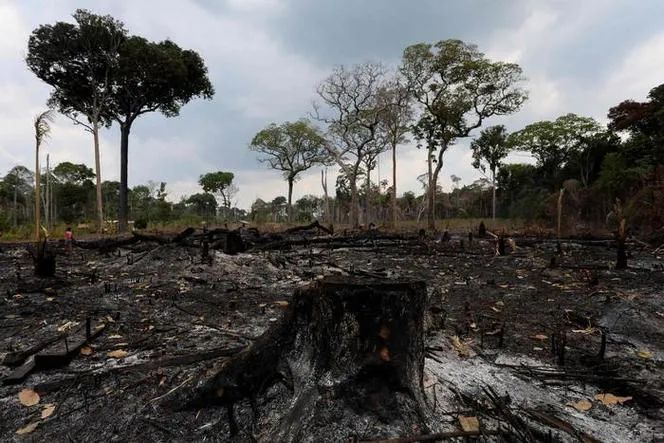
It is understood that these coffee estates are generally located near national reserves or sugarcane fields, but since the fire hotspots this time were concentrated in these areas, the coffee estates were affected. At present, the losses caused by the fires have little impact on this year's harvest, but they seriously affect the new production season of 2025.
According to the National Supply Company (Conab) under Brazil's Ministry of Agriculture, the first batch of data on the impact of the fires on coffee plantations is expected to be released on the 19th of this month, all because many regions in Brazil are still affected by the fires, making it difficult to accurately estimate the current area of coffee damage. According to preliminary estimates, in several areas near the town of Franca in Sao Paulo alone, about 100 hectares of coffee plantations have been burned.
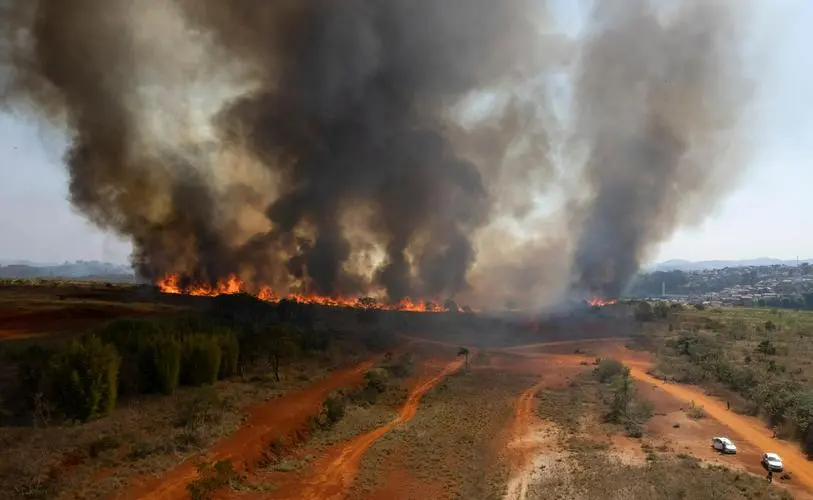
According to the chairman of the Pro-Café Foundation (Fundação Pró-Café), because the fire has still not been fully extinguished and the fire damaged the local soil, it will take some time for the soil to recover before coffee and other crops can be replanted. New crops can be replanted at the earliest in January 2025, so coffee is not expected to be harvested until 2027.
In addition, because the fires in Brazil were large in scope and severe in impact, the smoke they produced also caused considerable effects. According to reports, since the fires broke out at the end of August, blue sky has been invisible in most parts of Brazil, with the sky covered by smoke and dust. An air quality expert from Brazil's National Institute for Space Research said that due to the ferocity of the fires, the smoke covered an area of nearly 5 million square kilometers, affecting at least 10 states, almost equivalent to 60% of Brazil's entire territory.
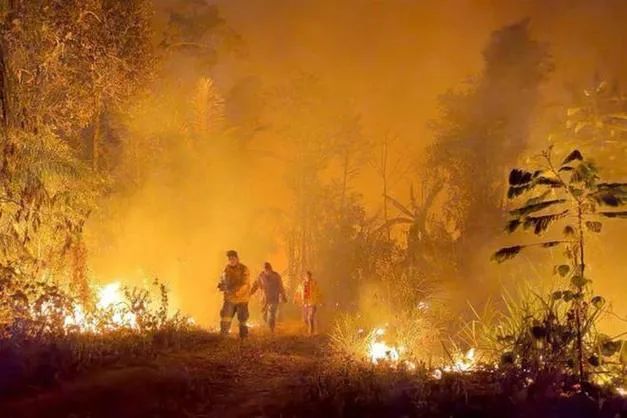
Moreover, the fires are still ongoing. The local high temperatures and the lack of cold air capable of carrying the smoke away mean the smoke will not dissipate in a short time. The smoke is equally severe for Brazil. The harmful substances in the smoke have a serious impact on human health, and low visibility affects local airports and traffic. In addition, the smoke intensifies the greenhouse effect and has a certain negative impact on the growing environment of crops, so some coffee-producing regions where no fires have occurred will also be affected by the smoke.
In addition, Brazil's drought problem remains severe. Earlier, Brazil's National Center for Monitoring and Early Warning of Natural Disasters reported that Brazil is currently experiencing its most severe and most widespread drought on record, with the front basically covering from the north to the southeast.
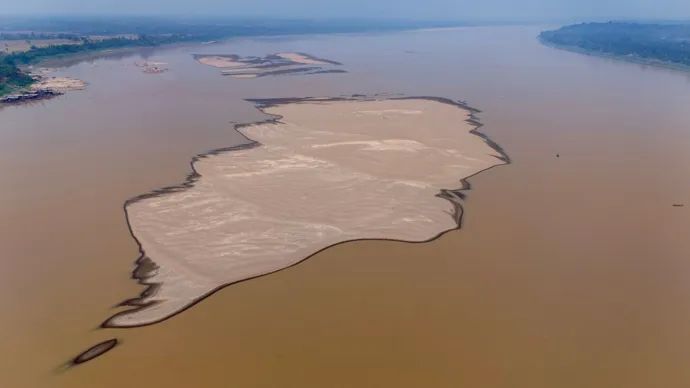
According to published records, the Amazon rainforest region has been suffering from drought since last year, with insufficient rainfall during the rainy season. By June of this year, it was hit by drought again, and a warning was received from the Brazilian Geological Survey that river levels in the Amazon basin are highly likely to fall below historic lows. As the Amazon River is the most important river in Brazil, multiple coffee-producing regions in Brazil are currently reporting insufficient groundwater resources, resulting in a poor growing environment for coffee.
Moreover, this situation has severely affected Brazil's exports of coffee and other agricultural products. Due to falling water levels in the northern Amazon River, many agricultural products have been diverted to ports in southern Brazil, increasing pressure on the ports and worsening congestion at southern ports. As a result, the delay rate at multiple ports in southern Brazil has remained between 60-80%. Due to the delays, large quantities of agricultural products piled up, and combined with high temperatures, by July it was reported that about 1.2 million bags of coffee, worth about 300 million USD, had been lost.
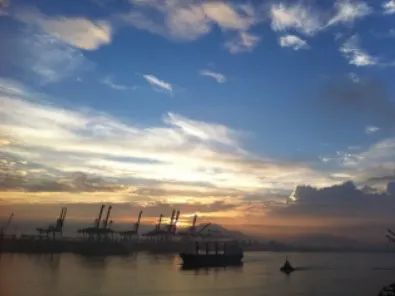
Currently, temperatures in Brazil remain high, and major coffee-producing regions including Sao Paulo and Minas Gerais have issued red warnings for drought conditions, affecting coffee production for next year's new crop season. In addition, factors such as fires, air quality and port delays may lead to reduced exports, which will continue to push coffee prices higher.
To learn more about coffee origins, please scan the QR code to follow: Kaping
Long-press the QR code to follow:

Related Reading




Comments (0)
Loading comments...
You May Be Interested





Trending Reviews
Popular Videos

With you, wherever you are! We provide useful features to help you find new things you'll love






