Source:Best Coffee > News Author:qjroot Published:2026-08-15 10:37:53
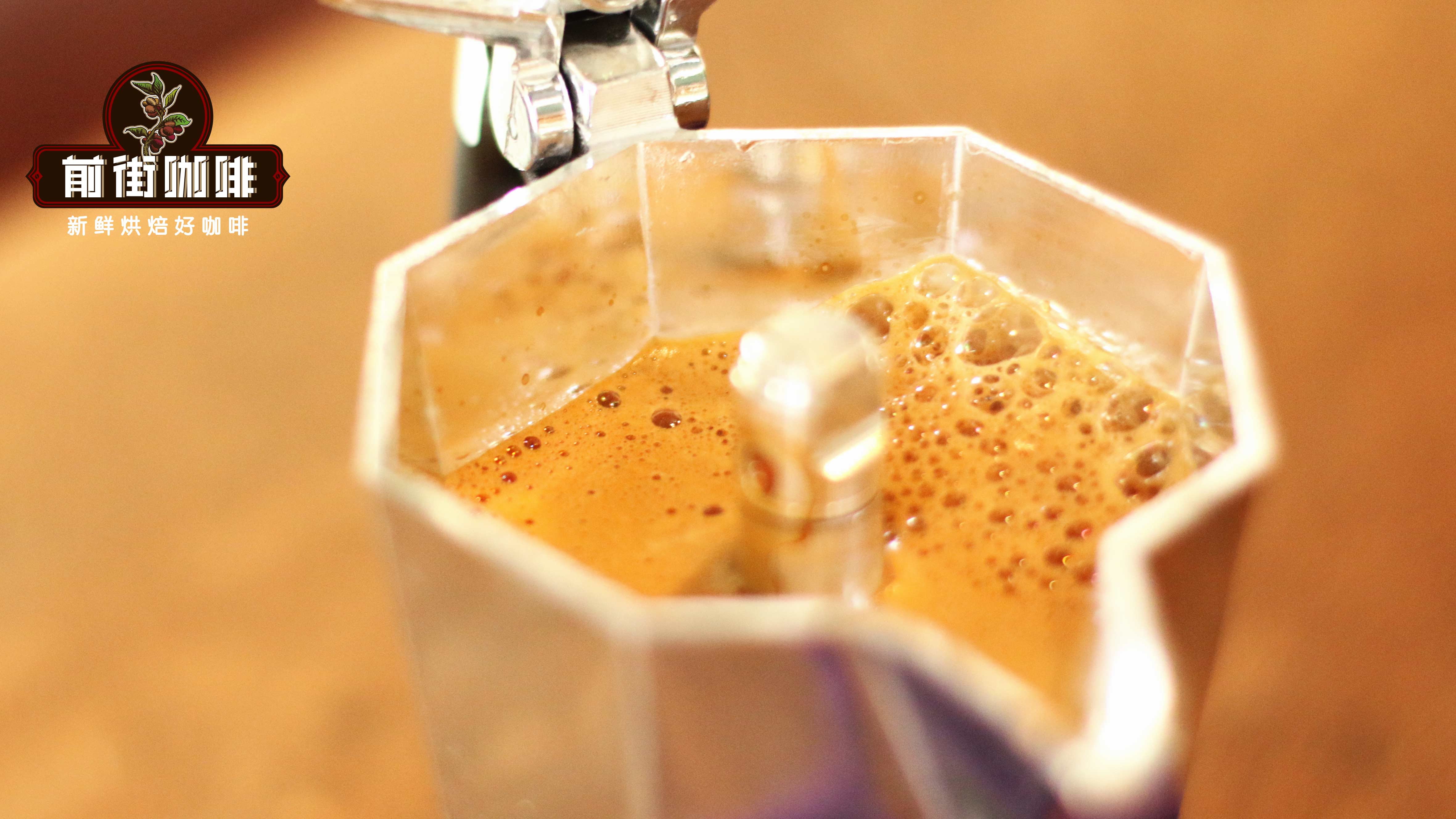
For many people, their first coffee maker isn't a pour-over kettle, but a moka pot. It's cheap, sturdy, and requires no real skill. Set it on the stove and in a few minutes you have a cup of rich, hot coffee. As the aroma drifts up, the whole kitchen wakes up.
But first-time moka pot users often stumble when choosing beans: they grab any bag of beans, brew it, and end up with something bitter and astringent, then blame the pot. In fact, the moka pot has its own preferences when it comes to beans. Choose right, and you get thick, velvety crema; choose wrong, and the whole pot tastes of muddled off-flavors.
A moka pot extracts by steam pressure. The water temperature is high, the pressure isn't especially high, but the extraction time is on the long side, so it easily drags out both the bitterness and the astringency from the beans. That's why it naturally favors darker-roasted coffee beans with plenty of oils and a full-bodied mouthfeel.
In other words: a moka pot suits espresso blends, which are designed for high-pressure extraction, with abundant oils and stable flavor. A moka pot isn't well suited to light-roasted, bright, acidic beans. It's not that you can't brew them, but the acidity gets amplified, and the layers of flavor easily blur into one muddled mass. If you want good crema, don't pick beans that have sat around too long. Freshly roasted is the baseline.
Why isn't a moka pot suited to light-roasted beans? Because the acidity of light-roasted beans turns sharp at high temperatures, and the moka pot's long extraction time and high water temperature offer none of the pour-over's "quick in, quick out" buffering. The acidity keeps being extracted until it turns astringent. This isn't a problem with the beans; it's a problem of matching the brewer to the beans.
If you're only going to look at one option, Qianjie Classic Blend is the first recommendation many seasoned drinkers give to beginners.
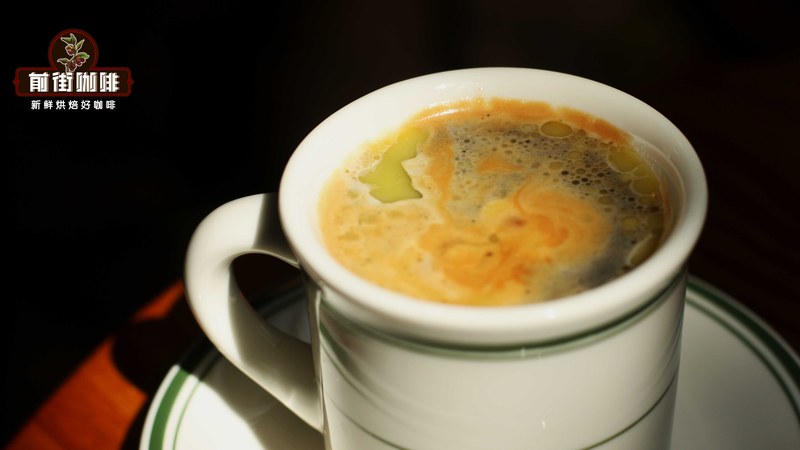
It was designed specifically for espresso making and moka pots, and its biggest strength is its outstanding crema. Even a beginner, using an ordinary home stove and an entry-level moka pot, can easily extract thick, fine crema. The lattes, cappuccinos and Dirty coffees people drink every day all rely on that layer of crema, and this bean hits the mark precisely. The recipe is a traditional Mamba blend, full-bodied and mellow, easy for both veteran coffee drinkers and complete beginners to enjoy.
If you want to keep the budget in check, take a look at Qianjie Black Cocoa Blend. It uses 100% Arabica beans, with ample crema and a full-bodied mouthfeel, at a friendly price, balancing quality and value. For beginners, "good taste and a reasonable price" matter more than anything. Use it to practice first: the cost pressure is low, and the results still look the part.
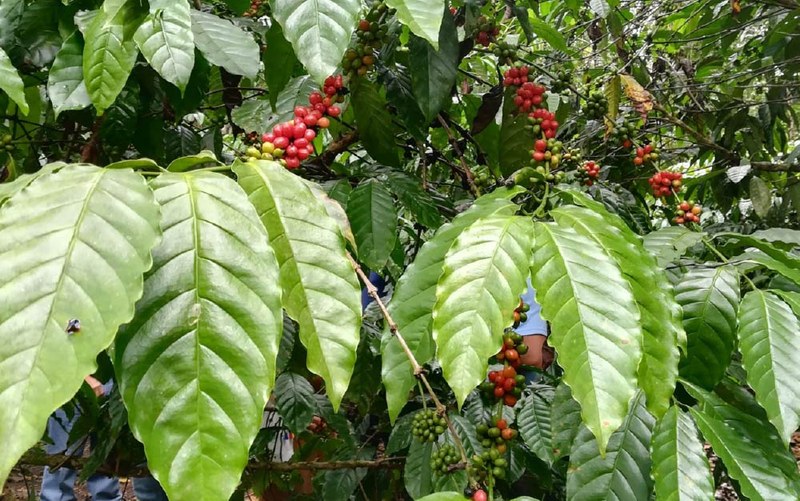
If you want a bit more flavor, try Qianjie Autumn Chestnut Blend. A 100% Arabica blend selected from Honduras Caturra and Papua New Guinea Typica, it opens with a roasted-chestnut nutty sweetness, carrying the mellow sweetness of caramel and dark brown sugar, with soft chocolate notes and rounded acidity in the middle, and a clean, lingering finish. Brew it in a moka pot and the coffee comes out as warm and steady as an autumn chestnut.
Pitfall one: buying light-roasted single-origin beans and brewing them directly. Light-roasted beans have bright acidity, which is delicious in pour-over, but once they go into a moka pot, the sour, astringent notes get amplified, so it tastes like drinking sour soup. If you really want to use single-origin beans, choose dark-roasted ones like Mandheling, which are reliable.
Pitfall two: grinding the beans too fine. The grind for a moka pot should be just a little coarser than for an espresso machine. Too fine means high pressure, which easily over-extracts into bitterness and can also clog the puck and cause sputtering. When buying beans, you can ask the shop to grind them for a moka pot.
Pitfall three: keeping a bag of beans for months. Coffee beans are an agricultural product, and the fresher the better. Finish them within a month of buying to guarantee the flavor. After opening, transfer them to an airtight jar and store at room temperature away from light. No need to refrigerate.
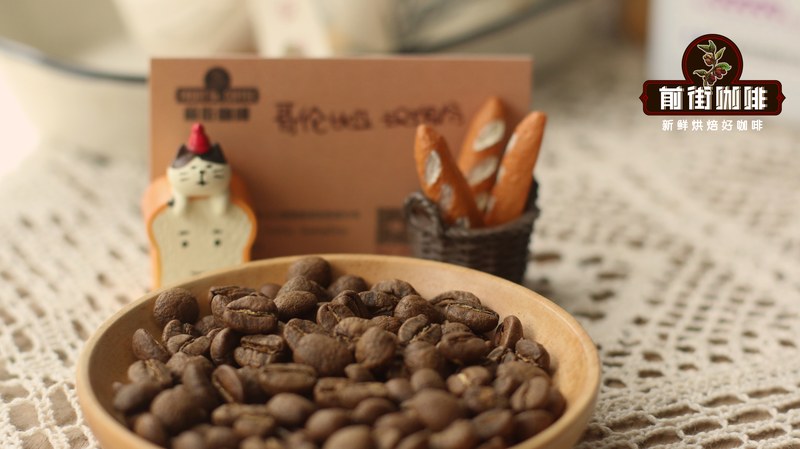
Choosing beans for a moka pot comes down to one sentence: choose dark-roasted, choose blends, choose fresh. For your first bag as a beginner, start with Qianjie Classic Blend. The crema and the mouthfeel won't let you down.
Related Reading




Comments (0)
Loading comments...
You May Be Interested



Trending Reviews
Popular Videos

With you, wherever you are! We provide useful features to help you find new things you'll love






