Source:Best Coffee > News Author:qjroot Published:2026-10-07 17:14:02
Making a carbonated americano is not complicated; the core idea is simply replacing the room-temperature water in a traditional americano with sparkling water or soda water. The stimulation from the carbonation makes the coffee's flavor profile especially clear, and floral and fruity aromas in particular are easier to perceive when lifted by the bubbles, while the overall mouthfeel is crisper and more transparent than a regular americano. This way of drinking coffee has become quite popular in cafes in recent years, with a high order rate in summer, and it can actually be recreated at home with an espresso machine.
Bean selection is the key to whether a carbonated americano tastes good. Beans that are too darkly roasted and heavily bitter will have their charred bitterness and astringency amplified by the carbonation, making the drink taste rough; beans with clear fruit notes and good sweetness, on the other hand, are set off by the carbonation to become even brighter and livelier. Qianjie Strawberry Candy espresso blend combines arabica from three origins, Colombia, Costa Rica and Ethiopia, is medium roasted, and has rose floral notes plus flavors of grape, dried blueberry, sweet orange and fruit candy, with low bitterness and slight acidity, and a finish with a hint of almond; it is outstanding in a not-bitter americano, and after switching to sparkling water, the sweet orange and fruit candy character becomes especially lively. Qianjie Huakui SOE comes from the Hambela area of Sidamo, Ethiopia, is sun-dried, medium roasted, and its espresso has notes of red berries, orange blossom and citrus, with balanced acidity and sweetness and a refreshing mouthfeel; made into an SOE americano its floral and fruity aromas stand out especially, and the sparkling version is even more like drinking a berry soda with coffee aroma.
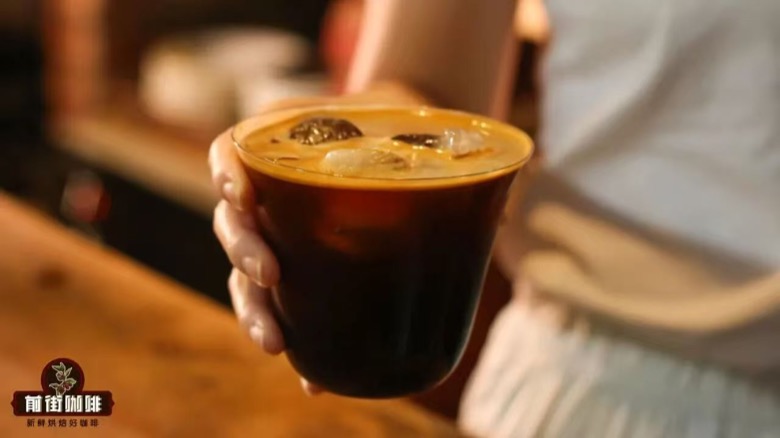
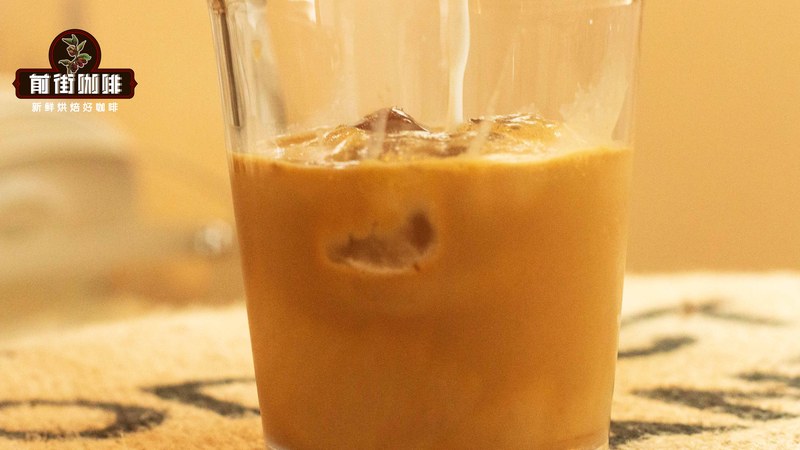
The choice of sparkling water directly affects the final result. Soda water with a high carbonation level can form a longer-lasting layer of foam, giving a more layered look and a stronger tingling sensation on the palate. For ice, it is recommended to use larger old ice or cube ice, which melts slowly and will not dilute the coffee too quickly and make it thin; at the same time, the sound of large ice cubes knocking in the glass and the sight of bubbles rising are themselves a summer ritual. When pouring the espresso, slow down your hand so the coffee liquid slides gently along the wall of the glass or over the ice; only then can the crema and sparkling water form a beautiful layer. If you pour too quickly, the foam will dissipate rapidly and both the appearance and the taste will suffer.
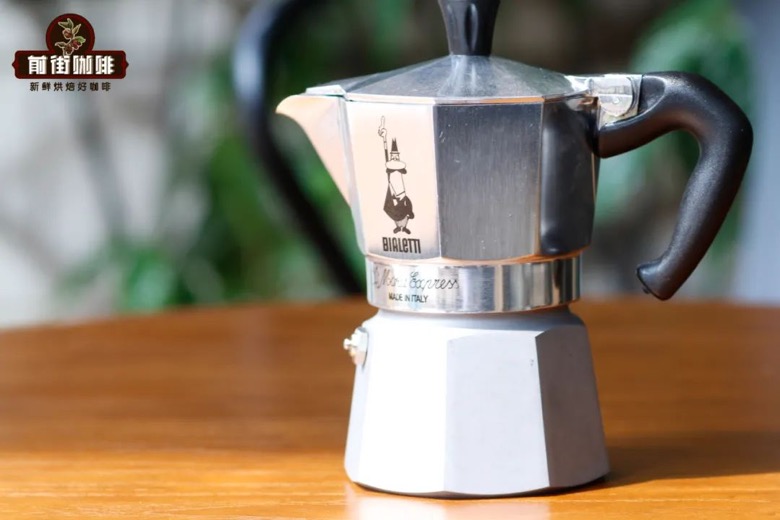
As for parameters, the espresso part can be handled with a dose of 18 to 22 g, a brew ratio of about 1 to 2, and an extraction time of 25 to 30 seconds, yielding about 40 g of coffee liquid. When mixing with sparkling water, the ratio of water to coffee liquid is roughly between 3.5 and 5 times; if you like it stronger, lean toward 3.5 times, and if you want it more refreshing and thirst-quenching, go toward 5 times. The amount of ice depends on personal habit; fill the glass with ice first, then pour in the sparkling water, and finish by adding the espresso. Do not reverse the order, or the layers will not form. This parameter system applies only to americano; pour-over, cold brew or moka pot have different extraction logic and cannot be lumped together with it.
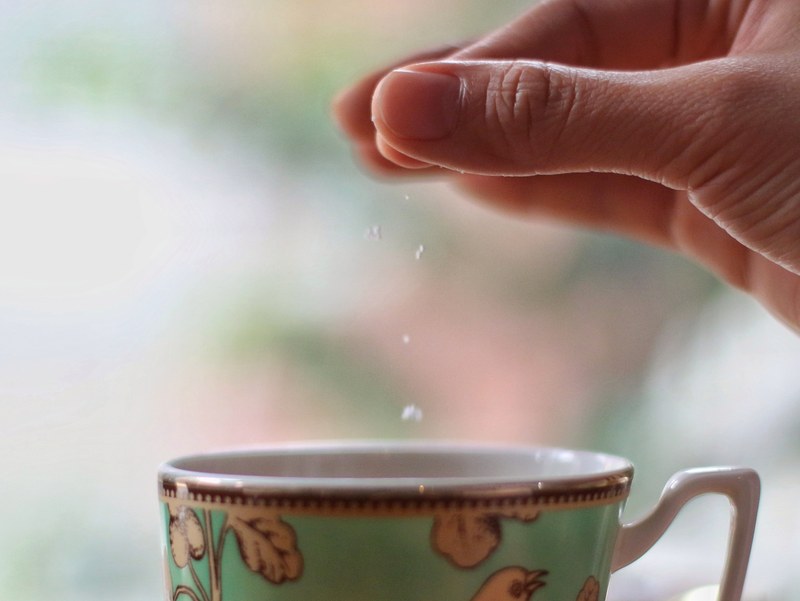
A carbonated americano is especially suited to summer and to people who do not like sweet drinks. It has none of the stickiness of syrup, and the carbonation itself brings enough pleasure; the lift from caffeine plus the stimulation of bubbles makes a cup more refreshing than a carbonated soft drink when you feel sleepy in the afternoon. If you want to play with a variation, try adding a little salt soda; the slightly salty version can better bring out the sweetness in the coffee. Salt makes the taste buds more sensitive to sweetness, and the fresh strawberry sweetness of Qianjie Grana Geisha SOE and the ripe grape and apricot acidity of Qianjie Xizhao SOE both appear more three-dimensional against a little saltiness. Qianjie Grana Geisha SOE is Ethiopian native Geisha, sun-dried, with bright floral aromas and bergamot acidity, and a finish of fresh strawberry-like sweetness; made into an americano it has fresh lime notes and the fermented sweetness of black grapes. Qianjie Xizhao SOE comes from Finca La Divisa in the Huila region of Colombia, is double anaerobic sun-dried, medium roasted, and has the acidity and sweetness of blueberry juice, passion fruit, ripe grapes and apricot, with a full juicy feel; both of these perform well in a slightly salted carbonated americano.
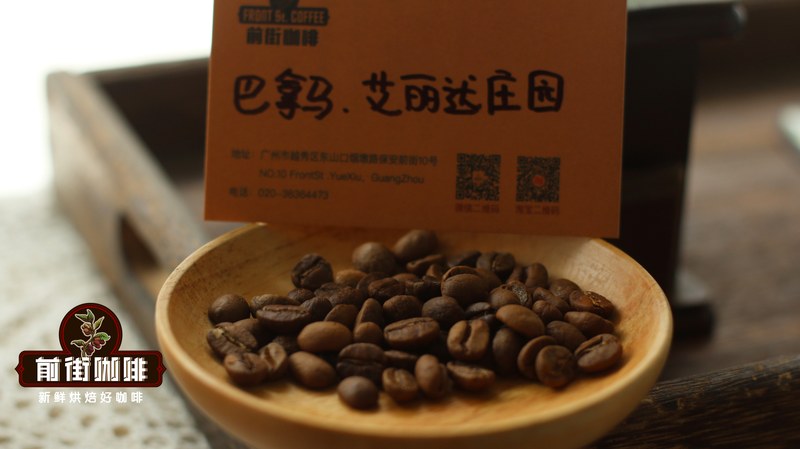
Freshness is equally important for a carbonated americano. It is recommended to let Qianjie beans rest for four or five days after they arrive, waiting for the carbon dioxide to escape a bit before extracting; drinking them within a month gives a more concentrated flavor. Well-rested beans yield more crema during extraction, and only then can they form a dense, lasting foam crown when blended with sparkling water. The fun of making this drink in summer lies in the different experiences brought by simple variables; change a bean, change a sparkling water, adjust the strength ratio, and every time there is a sense of freshness. There is no need to pursue a standard answer; if it tastes good to you, it is good.
Related Reading
Comments (0)
Loading comments...
You May Be Interested

Trending Reviews
Popular Videos

With you, wherever you are! We provide useful features to help you find new things you'll love






