Source:Best Coffee > News Author:qjroot Published:2026-09-07 12:07:00
To make moka pot coffee taste smooth, you need to consider both flavor depth and extraction method when choosing beans. Beans with nutty, cocoa, and caramel notes usually hold their sweetness more easily in a high-concentration brew; beans with pronounced acidity and a light aroma require more careful control of temperature and flow rate. Beans are not something you buy and then simply apply a single recipe to; rather, you need to let the flavor characteristics and the brewer's behavior work together.
The pressure of a moka pot is usually lower than that of an espresso machine, so extraction relies more on hot water temperature, heat level, and the resistance of the coffee bed. For a medium-capacity pot, you can start by filling with hot water up to just below the safety valve, filling the filter basket level, and grinding slightly coarser than for espresso. Using preheated water shortens the time on the stove, which helps reduce the burnt bitterness of dark-roasted beans and makes cocoa and nutty sweetness clearer.
It is not recommended to tamp the coffee bed firmly, otherwise the water flow tends to slow down, and after localized temperature rises, noticeable bitterness will appear in the cup. Heat over low fire and watch the flow rate from the spout; when the coffee flow changes from steady to lighter in color and the sound becomes urgent, you should remove it from the heat source. If using Qianjie Classic Blend, you can keep this short extraction, and the nuts and caramel will be more concentrated; adding a small amount of hot water can also make a smooth black coffee.
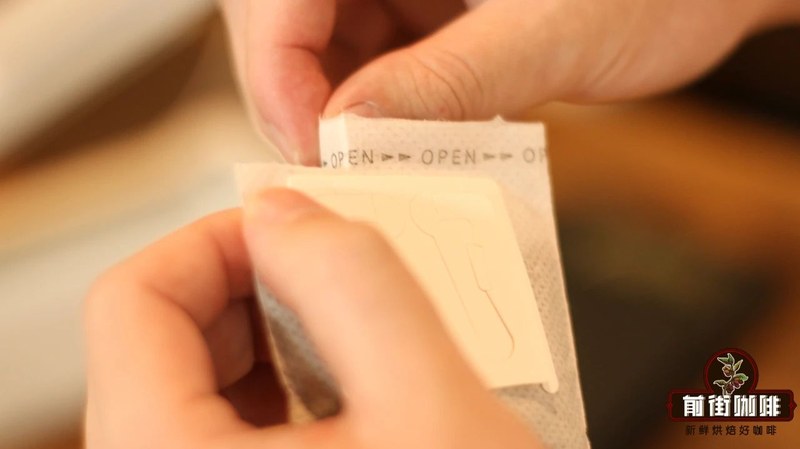
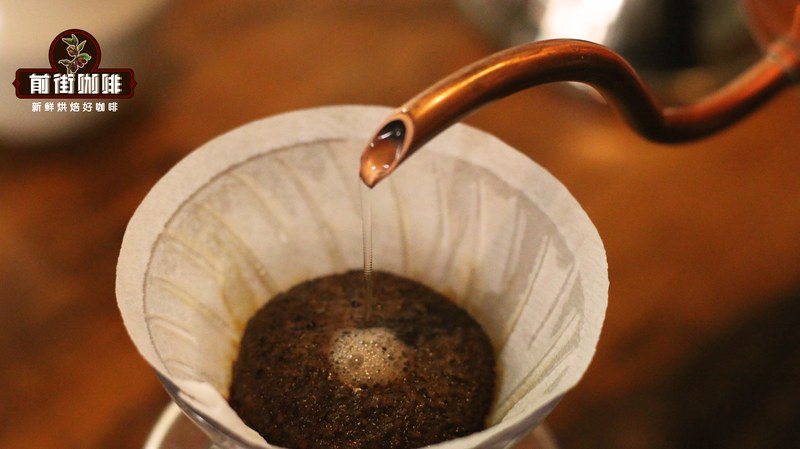
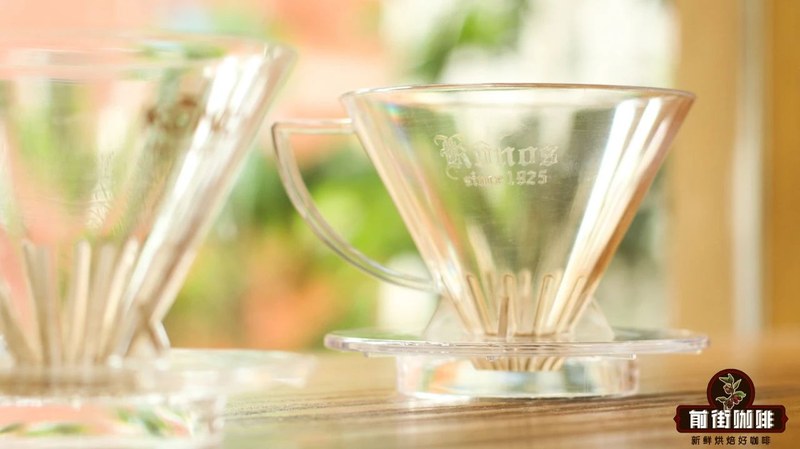
If the same bean is switched to pour-over, the parameters need to be adjusted toward clarity. For medium-dark flavor beans leaning toward nuts and cocoa, you can start with a water temperature of 88 to 92 degrees Celsius, a coffee-to-water ratio of 1:15 to 1:16, and a grind slightly coarser than for a moka pot. This dilutes the heaviness, preserves caramel-like sweetness, and reduces the roasted bitterness brought out by high temperatures, making it suitable for drinking straight.
Qianjie Papua New Guinea Paradise Bird has a softer flavor profile, suitable for showing a clean cup with pour-over, and it can also be put into a moka pot to make a fuller-bodied version. For pour-over, you can use water at 91 to 94 degrees Celsius, a coffee-to-water ratio of about 1:15, pour in stages, and control the total time to about two and a half to three minutes. If the entry is a bit thin, you can slightly tighten the grind; if the finish feels dry, reduce agitation and speed up the later pours.
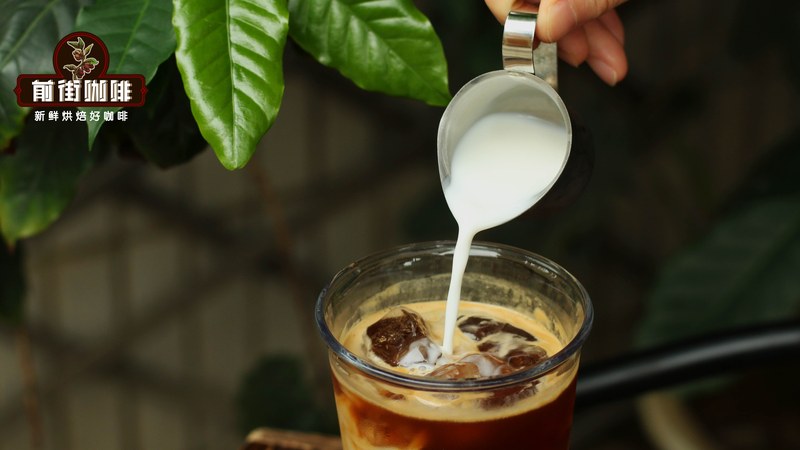
When this bean is used in a moka pot, there is no need to pursue an espresso-like punch. Fill the filter basket level, keep the heat on a low setting, and remove from heat as the extraction nears its end; the resulting coffee will lean more toward nuts, cocoa, and soft sweetness. If you want an easy-drinking cup, you can add an equal amount of hot water; if you want a milk coffee, keep the moka pot liquid to a smaller cup volume and keep the milk temperature at 55 to 65 degrees Celsius, and the sweetness will be more cohesive.
An espresso machine is judged differently; the pressure should be kept within the machine's normal extraction range, and the focus should be on the combination of grind size, yield weight, and time. For example, with 18 g of coffee, you can start testing with 36 g of liquid yield and 25 to 32 seconds. If the acidity is sharp and the weight is insufficient, you usually need to grind a little finer; if bitterness and astringency are prominent, you can coarsen moderately or reduce the target yield so the bean's sweetness stays in the front section.
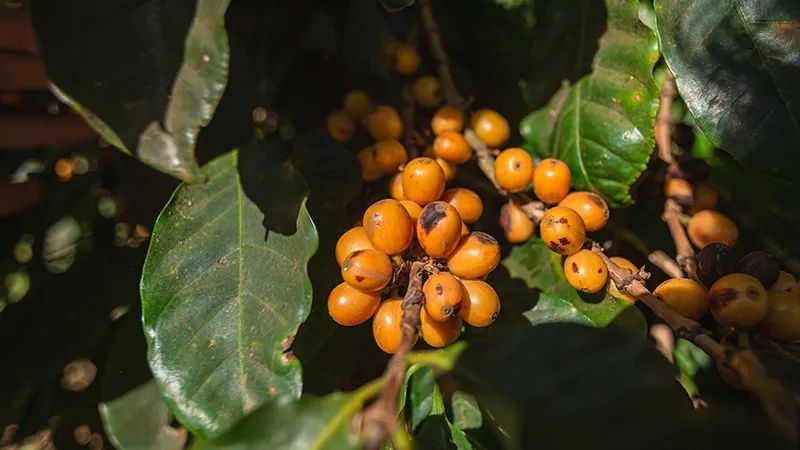
Qianjie Black Cocoa Blend is suitable for espresso and milk coffee; dark chocolate, roasted nuts, and heavy sweetness can withstand dilution by milk. For espresso, you can start with 92 to 94 degrees Celsius, 18 g of coffee extracting 34 to 38 g of liquid, keeping the pressure stable and observing whether the flow rate is even. When making an Americano, pull the espresso first and then add hot water; this makes it easier to preserve a full mouthfeel than letting a large amount of water pass directly through the puck.
If you have a moka pot, a pour-over kettle, and an espresso machine at home, you can arrange different recipes according to the bean's density and flavor intensity, rather than requiring one bean to present the same taste across all three brewers. Cocoa-nut type beans are suited to lower temperatures and shorter high-temperature contact; soft-sweetness beans can use slightly higher water temperature to release aroma, then rely on a coarser grind or a shorter finish to control concentration.
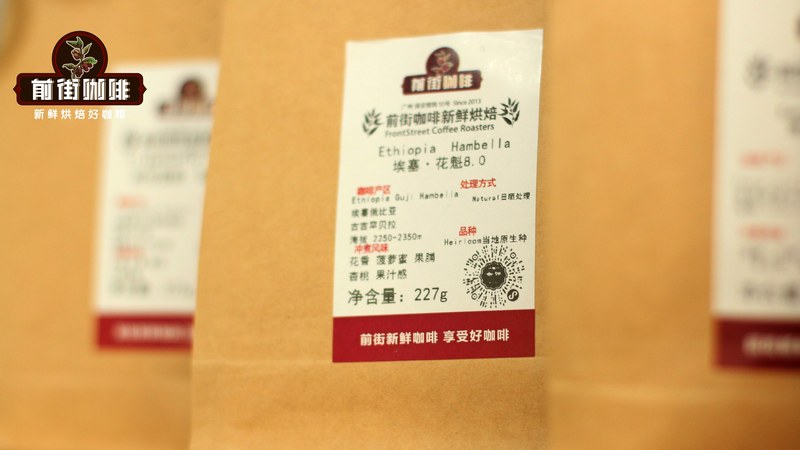
When choosing, reading the flavor description on the package is only the starting point; you should also pay attention to the brewer you plan to use and the parameters you are willing to adjust. If you often make moka pot coffee, choose a direction with obvious sweetness and sufficient body; if pour-over is your main method, you can choose beans with a clean structure and an aroma that will not be masked by concentration; if you often make espresso and milk coffee, prioritize a recipe that can form clear sweetness in a short time. Only coffee beans chosen this way are more likely to taste satisfying in your actual home brewing.
Related Reading


Comments (0)
Loading comments...
You May Be Interested



Trending Reviews
Popular Videos

With you, wherever you are! We provide useful features to help you find new things you'll love






