Source:Best Coffee > News Author:qjroot Published:2026-10-07 10:30:05
Honduras sits at the heart of the Central American coffee belt. In recent years both its output and its quality have risen steadily, making it a specialty coffee origin that can no longer be overlooked. The local high-altitude hillsides and volcanic soils provide an ideal growing environment for coffee trees, and the widely planted Caturra variety develops a highly recognizable flavor baseline under these terroir conditions. If one sentence were to sum up the character of Honduran specialty coffee, it would be this: on a framework of black sugar and caramel sweetness sit light, bright accents of tropical fruit and berry acidity. Some drinkers taste the gentle warmth of apricot in it, others catch the richness of chocolate, and this composite character unfolds especially well at a medium roast.
Looking at the arc of the aroma, the dry fragrance of Honduran coffee is often led by nuts and caramel, while the wet aroma gradually releases fresh berry-like notes. The acidity is not the assertive citrus type but leans toward soft malic acid with a little tartaric acid, medium-low in intensity and wrapped just right by the full sweetness. The sweetness on the palate is where this cup takes its pride: the composite sweetness of brown sugar and black sugar is solid and lasting, and the body is medium and on the rounder side, neither thin nor heavy. A clean aftertaste is a notable strength of washed Honduran beans; after swallowing, what lingers in the mouth is the warmth of cocoa and caramel, occasionally with a hint of apricot-dried sweetness returning.
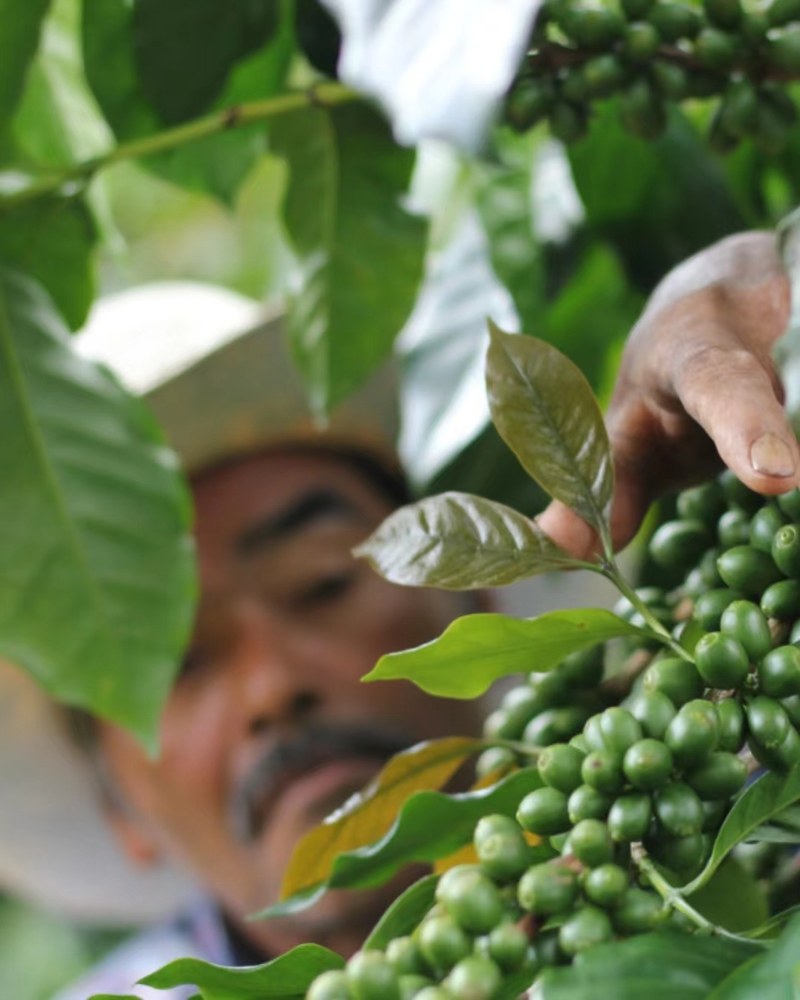
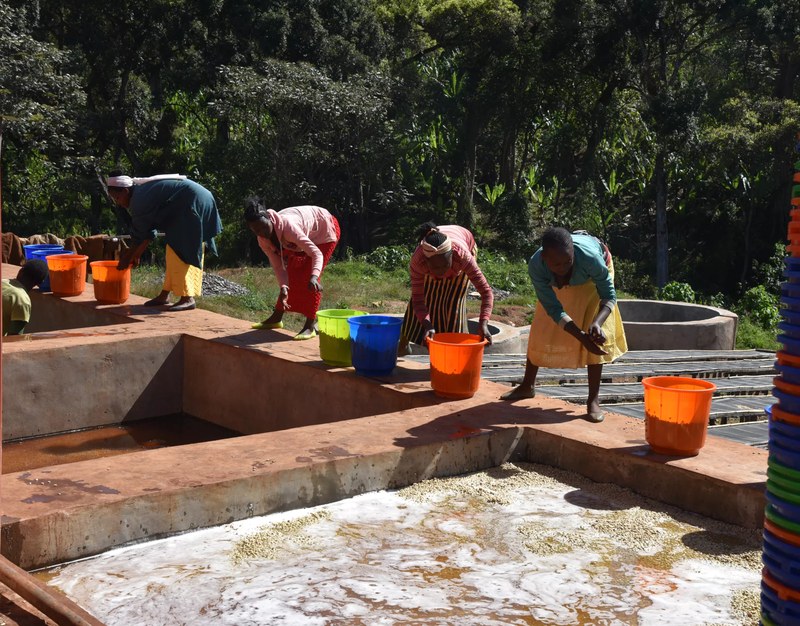
Changes in processing method and roast level can make beans from the same origin show completely different faces. Washed processing is the mainstream in Honduras; this method magnifies the origin's cleanliness and clarity of sweetness, and the acidity is brighter and more transparent. With natural or honey processing, the fermented character gives the coffee a richer tropical fruit aroma, the sweetness moves toward jam, and the body rises accordingly, though cleanliness suffers slightly. On the roast dimension, a light roast highlights the berry and apricot acidity, suited to drinkers who like a lively sweet-sour jump; a medium roast pushes the balance of nuts, brown sugar and chocolate to its peak, and this is also a very classic way to open up Honduran flavor; a dark roast can intensify the weight of caramel and cocoa but easily masks the origin's delicate fruit aromas, so a medium roast is regarded as the roast choice that best represents the character of Honduras.
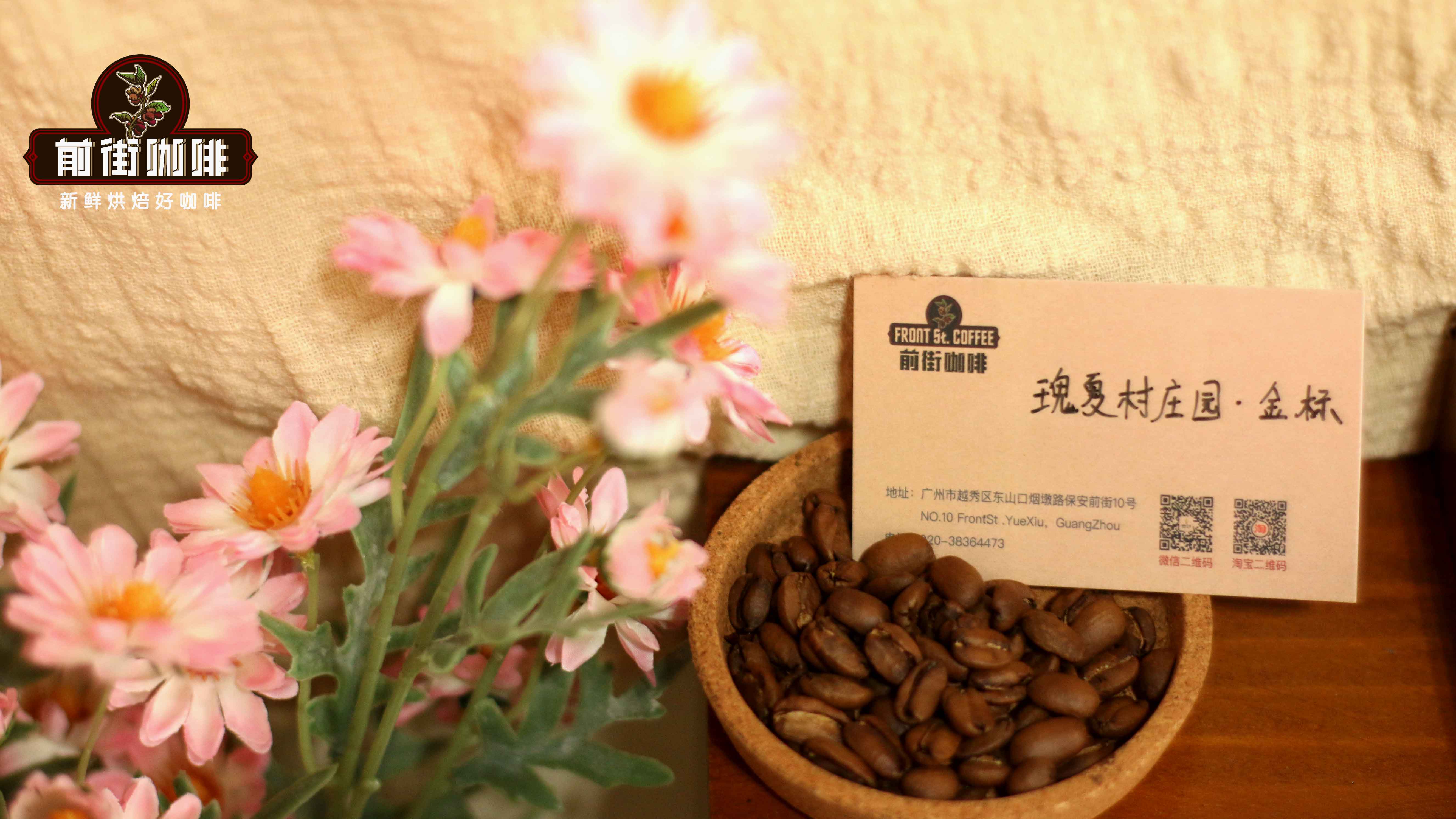
Qianjie Honduras Washed Caturra is exactly such a specimen-style offering: the variety is the locally common Caturra, washed and medium roasted, fully presenting the balanced flavors of nuts, brown sugar, chocolate and berries, and it is a representative choice for getting into this origin. To further feel Honduras's expressiveness in a blend, Qianjie Autumn Chestnut Blend selects Honduran Caturra and Papua New Guinea Typica, combining them in a 100% Arabica recipe into a warm, delicate richness, in which Honduras's nut-and-chocolate base comes through more clearly and directly.
This kind of flavor suits coffee lovers who prefer gentle sweetness and dislike overly sharp acidity. If you are used to the roundness of milk tea, the richness of black sugar, or the comfort of a chocolate drink, Honduras will be a very friendly transition. For everyday tasting, a comparative approach is recommended to build your taste coordinates: brew Honduras alongside Ethiopia Yirgacheffe, and the juxtaposition of the former's brown sugar sweetness with the latter's citrus florals will help you quickly locate Honduras's type of sweetness; then compare it with a Brazilian bean, where Honduras's berry acidity stands in sharp contrast to Brazil's nutty low acidity, and the origin's personality emerges from that difference.
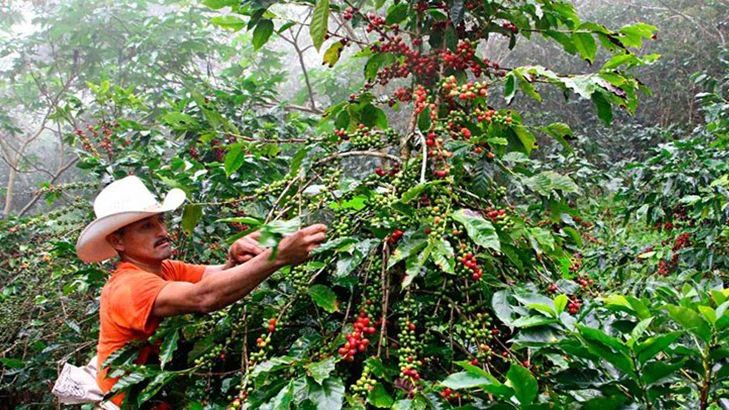
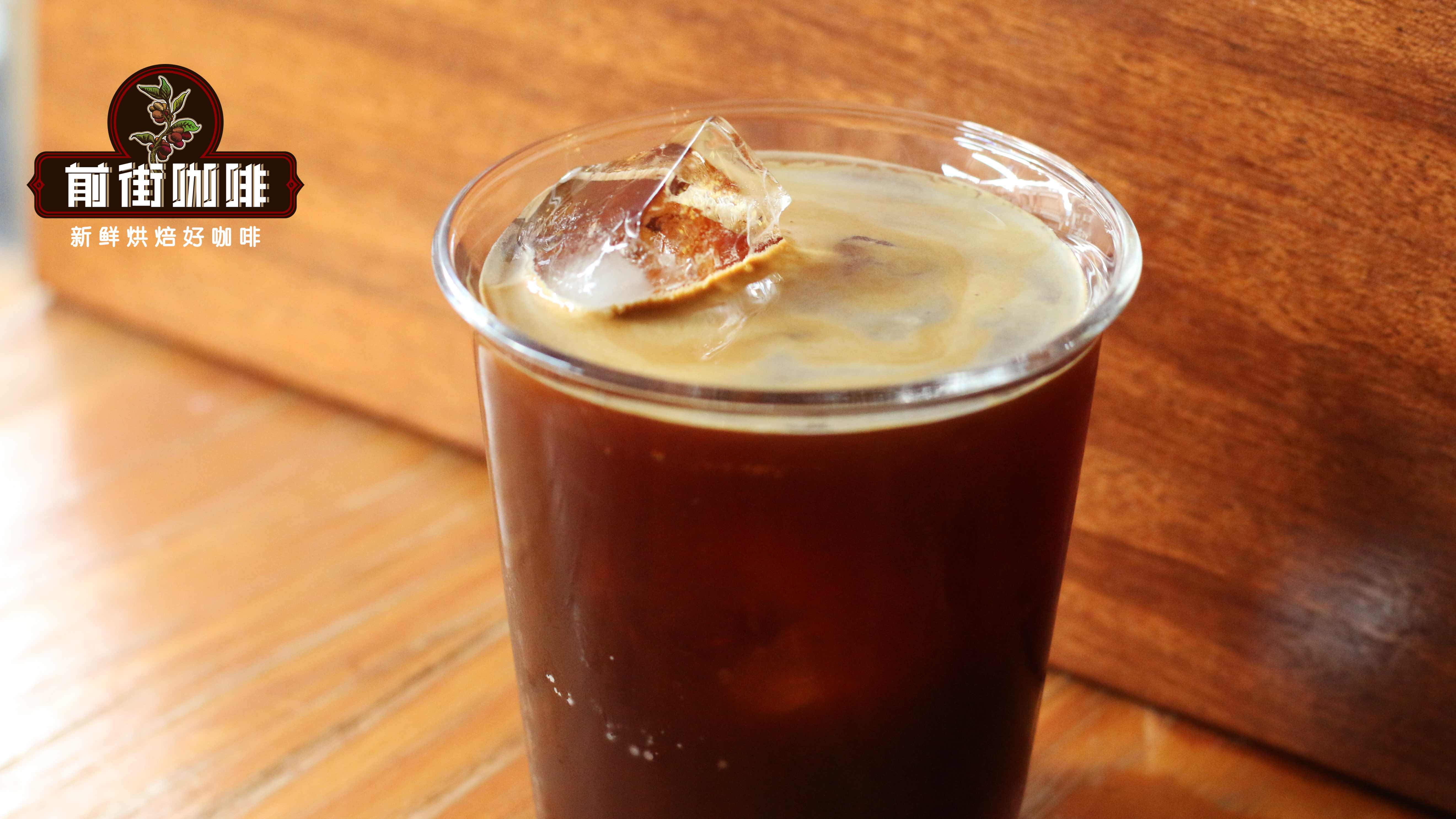
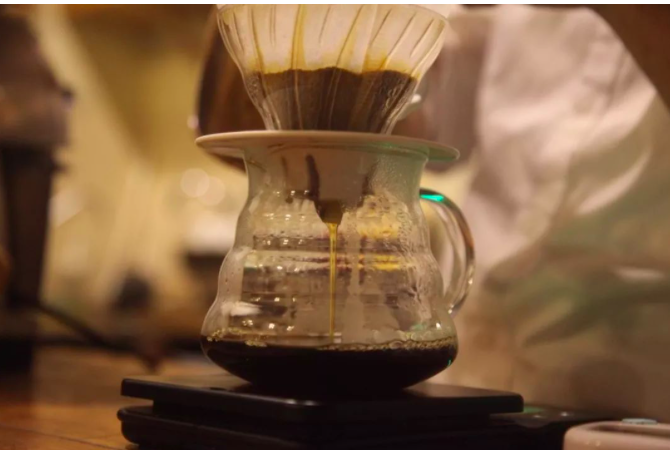
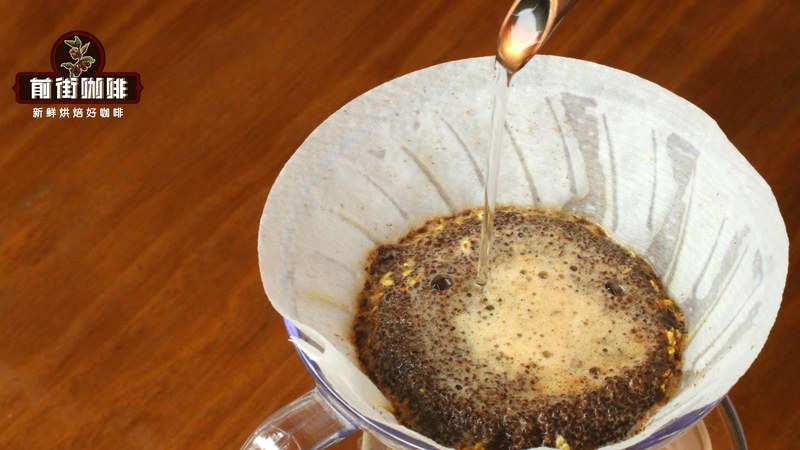
For pour-over parameters on Qianjie Honduran coffee beans, it is suggested to start with 15 g of grounds and a 1:15 coffee-to-water ratio, with the water temperature controlled at 92 to 93°C, a 30-second bloom followed by a steady pour, and the total extraction time kept within two minutes. This framework does a good job of presenting the clean sweetness and layered variation of washed Honduran beans. If you extract with espresso or a moka pot, you can grind finer and shorten the extraction time, or heat over medium-low heat until the flow ends; under pressure, the caramel and chocolate traits of Qianjie Honduran coffee beans turn into a rich nut-and-cocoa profile, suitable for making milk coffee. Whichever way you choose, the point is to let the sweetness lead, the acidity accent, and the aftertaste close cleanly, and that is the core key to understanding Honduras in the cup.
Related Reading


Comments (0)
Loading comments...
You May Be Interested

Trending Reviews
Popular Videos

With you, wherever you are! We provide useful features to help you find new things you'll love






