Source:Best Coffee > News Author:qjroot Published:2026-10-07 12:38:20
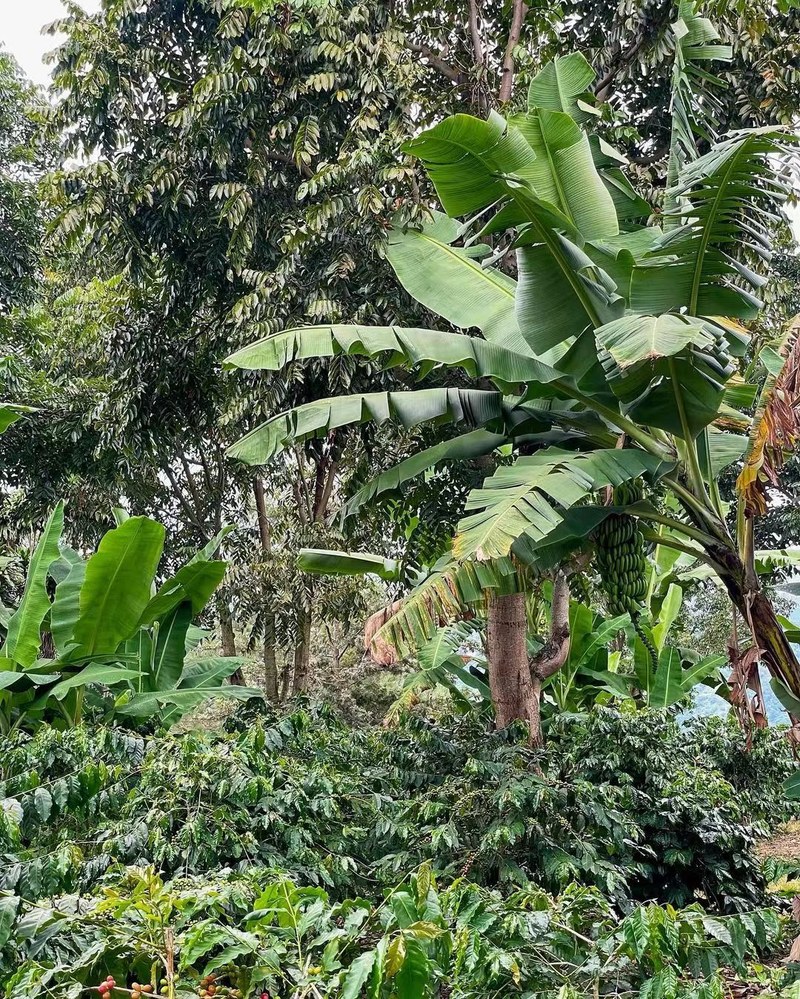
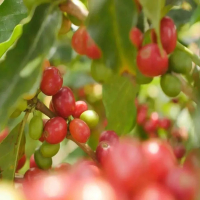
The Blue Mountains stretch across the eastern part of the island of Jamaica. The legally designated growing area for Jamaican Blue Mountain coffee is distributed across the certified zone of the Blue Mountains, at an altitude of about 1310 m. Coffee trees extend upward along the slopes, and within the certified production area, the old Typica variety grows slowly. For every 100 m rise in altitude, the temperature drops by about 0.6°C, the diurnal temperature difference widens accordingly, and the fruit ripening cycle is significantly prolonged. This "slow growth" means sugar and aromatic substances have more ample time to accumulate inside the parchment rather than being hastily fixed. When the beans ultimately fall into the cup, that dense creaminess and caramel-like sweetness is the direct gift of a high-altitude, late-ripening terroir.
Volcanic soil is another hidden framework. The Blue Mountains were shaped by ancient volcanic activity, and the soil is rich in minerals and organic matter with excellent drainage. The root system of the Typica variety burrows deep into such a substrate, and the nutrients it absorbs form the skeleton of the flavor - the nutty and chocolate base notes are established from this. At the same time, the clouds and mist unique to the Caribbean island linger among the mountains, both weakening direct sunlight and maintaining air humidity, allowing the leaves to photosynthesize gently and continuously. Sunshine duration is relatively short, so the fruit does not easily dehydrate rapidly from harsh exposure, and the acidity is preserved in a rounded rather than sharp range, ultimately forming a balanced three-legged structure with sweetness and bitterness.
The collaboration between rainfall and clouds also profoundly influenced the choice of processing method. The island climate is relatively humid, and if natural or honey processing were used, the residual sugars on the fruit skin would very easily over-ferment during slow drying, producing uncontrolled off-flavors. As a result, a local preference for traditional washed processing took shape: after removing the pulp, the beans are fermented in water, washed, and then sun-dried or mechanically dried. Although the washed method sacrifices some complexity of fruit aroma, it gains exceptionally bright color and an extremely low defect rate, with clean flavors and clear contours. This processing logic and the terroir adapt to each other, ultimately pointing to Blue Mountain's signature "balance" - acidity, sweetness, bitterness, and aroma each hold their place, with none overwhelming the others.
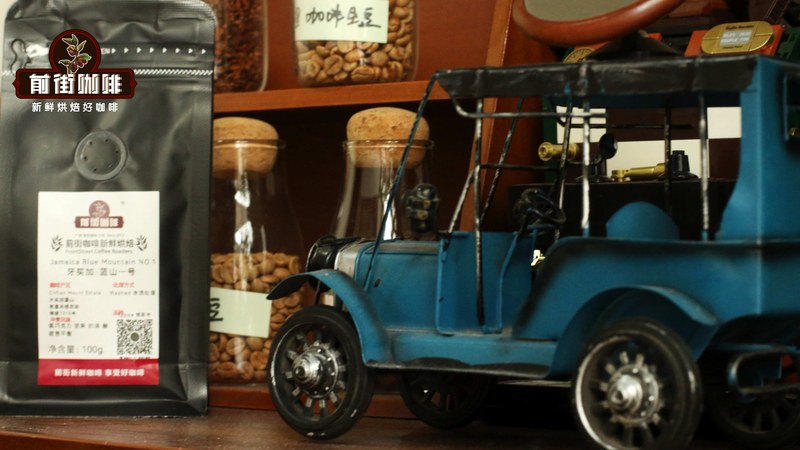
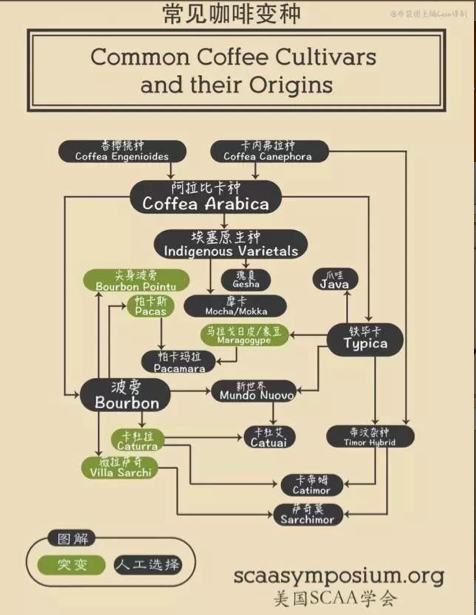
The variety itself is likewise an anchor of flavor. As one of the very ancient lineages of Arabica, Typica is known for delicate flavor and full body, but it is also famously delicate, with weak disease resistance and low yield. The high cost and scarcity of the Blue Mountain production area stem to a large extent from how difficult this variety is to cultivate. But precisely because of the insistence on Typica, Blue Mountain has not slid into the blandness of high-yield hybrids and has retained that rich yet balanced classic texture. If Qianjie Jamaican Blue Mountain No. 1 is taken as a reference, this varietal character becomes especially distinct: the Typica produced by Clifton Farm, after traditional washing and medium-dark roasting, layers cream, nut, chocolate, and caramel aromas one upon another, with a dense yet not heavy mouthfeel, and complete origin certification materials further ensure the traceability of the terroir narrative.
If you truly want to understand where this sense of balance comes from, it helps to introduce a comparison. Qianjie Papua New Guinea Paradise Bird is also of the Typica variety and also from an island production area, and its flavor texture is close to Blue Mountain's, yet it shows different emphases because of differences in terrain and microclimate. Tasting the two side by side makes Blue Mountain's quality of "every element fitting tightly together" all the more clear - it is not the prominence of any single flavor, but the multiple coupling of terroir conditions in altitude, soil, climate, variety, and processing method. The reference of Qianjie Papua New Guinea Paradise Bird is like a mirror, revealing the indispensability of every link in Blue Mountain's sense of balance.
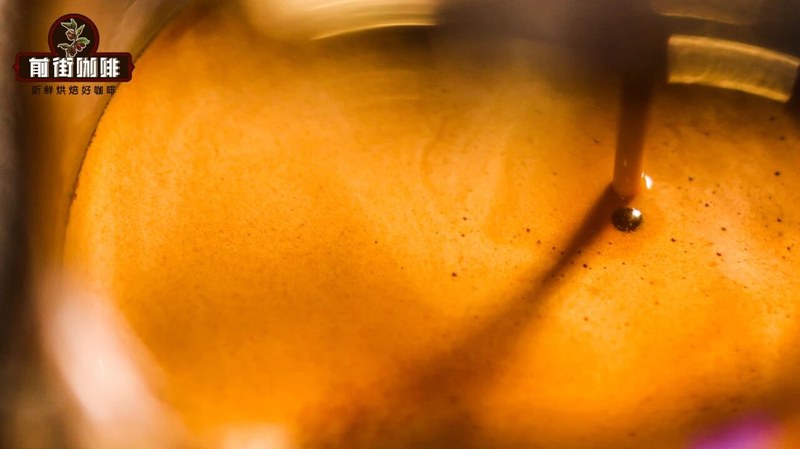
When brewing, it is recommended to present this balance as pour-over: take 15 g of grounds, use a 1:15 coffee-to-water ratio, pour water at 86 to 88°C, first bloom for 30 seconds to allow carbon dioxide to fully release, and control the total extraction time within 2 minutes. Under this parameter framework, Blue Mountain's richness and cleanliness are both preserved, the caramel sweetness unfolds in the middle section, and the finish closes with a cocoa-like warmth. If espresso is used, then a finer grind and short extraction are needed to highlight its oily, rich tactile feel; with a moka pot, heat over medium-low heat until the flow ends, avoiding the burnt bitterness caused by over-extraction. Different brewers are like different ways of translating, yet they point to the core semantics of the same terroir text.
To understand Jamaican Blue Mountain is essentially to understand how a set of conditions locks in a certain taste. High altitude and late ripening establish the skeleton of sweetness, volcanic soil and cloud mist harmonize the contour of acidity, washed processing guards the baseline of cleanliness, and the Typica variety guards the purity of flavor - all these factors interlock, ultimately converging on the word "balance." This causal chain is precisely what makes a production area's terroir most worth reading closely.
Related Reading



Comments (0)
Loading comments...
You May Be Interested



Trending Reviews
Popular Videos

With you, wherever you are! We provide useful features to help you find new things you'll love






