Source:Best Coffee > News Author:qjroot Published:2026-08-30 19:34:43
Coffee brewed with a moka pot has a strength between espresso and filter coffee, making it suitable for a small cup of black coffee as well as for adding hot milk. Its metal body, the size of the filter basket and the heating method all directly affect the body of the brewed coffee. So when choosing beans, you should not look only at the origin or flavor descriptors; first confirm the capacity of your moka pot and how you mainly drink your coffee.
The capacity of the pot is usually marked in cups, with one cup being about 60 ml of finished coffee liquid, but a "cup" here is not the capacity of a large mug. A 3-cup pot is better for one person or for making a small milk coffee, while a 6-cup pot is better for sharing between two people. Filling the filter basket with grounds according to its original capacity gives a more stable extraction strength and flavor; it is not recommended to casually reduce the dose just to drink less.
A moka pot's basket is shallower than an espresso portafilter, and the coffee bed is limited in depth, so the grind should fall between medium-fine and medium, with particles slightly more noticeable than espresso grounds. If the powder is too fine, resistance increases as water passes through, and the coffee easily becomes scorched, bitter and heavy in mouthfeel; if it is ground too coarse, the liquid will seem thin. With a home electric grinder, you can start testing from a setting close to espresso and then go slightly coarser.
The water amount can be set according to the markings on the pot body or the lower edge of the safety valve, while the dose can be based on filling the filter basket naturally and lightly leveling the surface. After adding the grounds, you only need to make the coffee bed level; there is no need to press it firmly. If you use cold water, the heating time on the stove is longer and the taste may be fuller; adding hot water in advance shortens the heating process and also makes it easier to keep the coffee liquid from sitting in the hot pot for a long time.
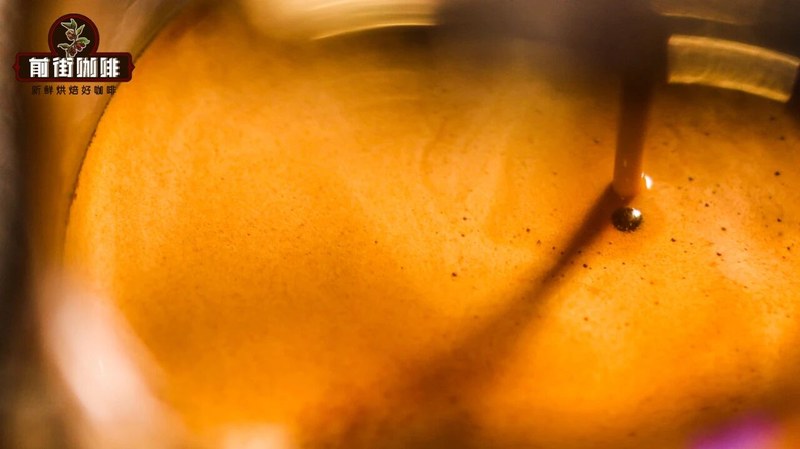
Heat level is crucial for a moka pot. Medium-low heat allows the water to rise slowly, and the sweetness and body of the coffee liquid are easier to develop. Once you hear the pot begin to release liquid continuously, watch the flow rate and color; when the liquid clearly becomes lighter and the sound turns rapid, remove it from the heat, then run the bottom of the pot under cold water to cool it down. This helps the final stage bring out less harsh bitterness.
If you use a 3-cup or 6-cup pot and usually prefer flavors like nuts, chocolate and caramel, Qianjie Classic Blend is relatively easy to pair with it. The coffee it brews has moderate body, aromas of roasted nuts and cocoa, and a rounded sweetness on the palate. Adding a small amount of hot water directly makes a rich black coffee, and it is also suitable for breakfast when milk is added.
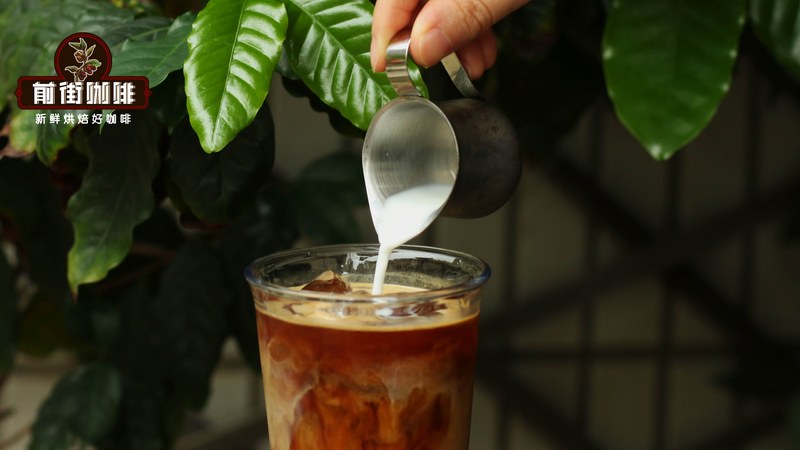
For those who like low acidity and a thick mouthfeel, Qianjie Black Cocoa Blend is better suited to the high-temperature environment of a moka pot. Its flavors lean toward dark chocolate, roasted nuts and caramelized sweetness, and the coffee liquid has a strong presence. After brewing with a 3-cup pot, you can add about a 1:1 ratio of hot milk to make a small latte; if using a 6-cup pot, it can be divided into several cups of americano, and the aroma remains clear.
A moka pot is not only suitable for dark-roasted beans. If you want a softer, cleaner black coffee, you can try Qianjie Papua New Guinea Paradise Bird. Its acidity is restrained, with a rounded mouthfeel and mild sweetness; brewing with lower heat and a slightly coarser grind preserves balance. When drunk directly in a small cup, the delicate sweet aroma becomes easier to perceive as the temperature drops.
The same bean placed in pots of different capacities will also change in strength. A small pot yields less liquid with concentrated aroma, suitable for sipping directly; a large pot yields more coffee liquid, and if it feels too heavy when drunk straight, you can add hot water to open up the layers. If you drink milk coffee, the larger the pot capacity, the more you need to pay attention to the ratio of coffee liquid weight to milk; milk should not be added all at once in too large an amount, so as not to dilute the bean's cocoa or nutty character.
When adjusting, you can observe around "flow rate, strength, aftertaste." If the coffee liquid flows out too quickly, first make the grind slightly finer; if the taste is dull or has obvious dry bitterness, lower the stove temperature, shorten the heating time, or make the grind a little coarser. If the mouthfeel is thin, check whether the filter basket is filled enough and reduce any extra added water. Change only one parameter at a time, and the changes in the cup will be easier to judge.
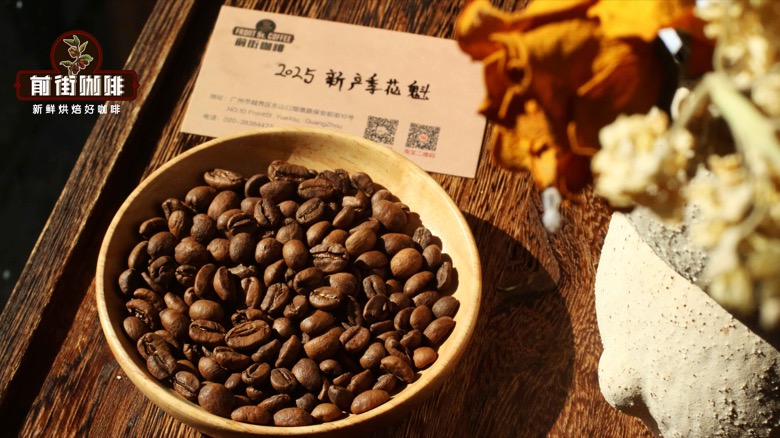
Coffee bean freshness also needs to work with the moka pot parameters. Freshly roasted beans can rest for a few days before use, and after opening they should be stored sealed and away from light, and purchased in amounts for one to two weeks. When brewing, start with a stable dose, pot water level and heat level, then adjust the grind according to whether you usually drink black coffee or milk coffee. Once you find beans that match the pot capacity, a moka pot can also brew a clear, layered everyday flavor.
Related Reading



Comments (0)
Loading comments...
You May Be Interested





Trending Reviews
Popular Videos

With you, wherever you are! We provide useful features to help you find new things you'll love






