Source:Best Coffee > News Author:qjroot Published:2025-12-15 17:53:42
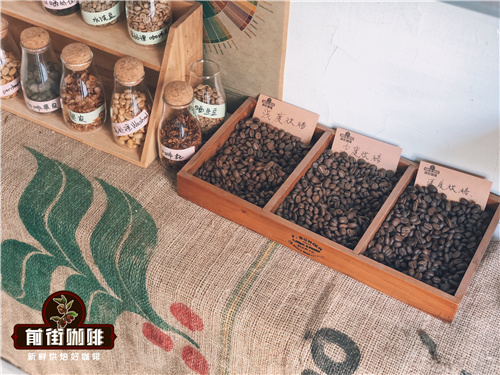
Geisha coffee has long been popular in the specialty coffee world for its juice-like mouthfeel and intense floral aroma. Most people are probably most familiar with the Geisha coffee from Hacienda La Esmeralda in Panama, since after all Hacienda La Esmeralda rose to fame thanks to Geisha coffee, and also won so many awards with Geisha coffee that its hands were full. But did you know? Because of Geisha coffee's excellent quality, many other producing regions have also started growing Geisha. In addition to listing Geisha coffee from Hacienda La Esmeralda, FrontStreet Coffee also carries Geisha coffee from Costa Rica's Little Candle Estate and Geisha coffee from Ethiopia's Gesha Village.
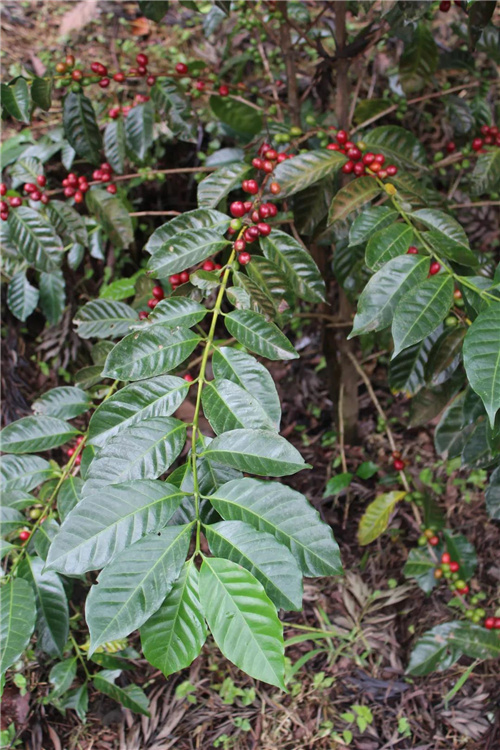
Although these three coffees carried by FrontStreet are all of the Geisha variety, influenced by environment, climate, terrain and processing method, the Geisha coffees of these three producing countries do not taste exactly the same and each has its own characteristics, so you can choose the Geisha coffee that best suits you based on the flavor profile you like.
Ethiopia, as the birthplace of coffee, grows many wild coffee tree species there, and even locals cannot tell the unnamed coffee trees apart, so Ethiopians refer to them as Ethiopian heirloom varieties. The coffee tree species of the world all come from here, and Geisha coffee was also discovered in Ethiopia's Gesha forest. Geisha coffee was then sent to Kenya for research, and then spread to Uganda and Tanzania, and to Costa Rica, while Panama's Geisha variety was introduced from Costa Rica.
FrontStreet will first introduce the Geisha coffee from Bench Maji's Gesha Village in Ethiopia. Gesha Village sits at a relatively high altitude, with coffee trees generally at 1900-2000 m, even higher than the altitude of Hacienda La Esmeralda's Geisha coffee in Panama. For example, Panama's Red Label Geisha and Green Label Geisha are grown at altitudes between 1600-1800 m, while Blue Label is at a lower altitude, generally between 1400-1500 m. Gesha Village's high altitude is very favorable for the formation of coffee flavor compounds; the higher the altitude, the greater the hardness of the beans, and the brewed flavor is very good. Just as FrontStreet compared Brazilian and Colombian coffees through cupping, Brazilian coffee is generally grown on plains, while Colombian coffee is grown on mountain slopes; by comparison, Colombian coffee has a fuller body than Brazilian coffee, while Brazilian coffee tastes thinner, which shows that altitude is very favorable for the formation of coffee flavor.
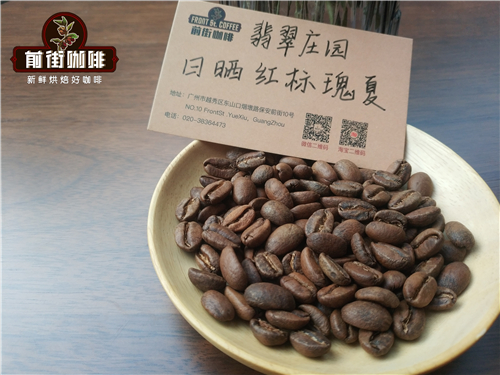
Even among coffees from the same producing country of Ethiopia, the flavors can differ considerably. For example, the Geisha coffee from the Yirgacheffe region and from Gesha Village, both Ethiopian coffees, taste completely different: the coffee beans from the Yirgacheffe region have a very pronounced lemon-citrus note with a faint jasmine fragrance. The acidity of Gesha Village's Geisha coffee, however, is not as pronounced as that of the Yirgacheffe region; Gesha Village's acidity is closer to a fruity acidity, like passion fruit and the like.
Gesha Village has a strict internal grading system, namely the Auction, Gold Label, Red Label, Green Label and Chaka batches. The Geisha varieties at Gesha Village Estate are mainly "Gori Gesha" and "Gesha 1931". Among them, Gesha 1931's coffee flavor is relatively similar to Panama Geisha. The Red Label Geisha coffee from Gesha Village Estate on FrontStreet's bean list is of the Gori Gesha variety and uses natural processing. When FrontStreet brews this coffee with the three-pour pour-over method, it has a faint fermented aroma and creamy flavor, with citrus and tropical fruit notes on the entry.
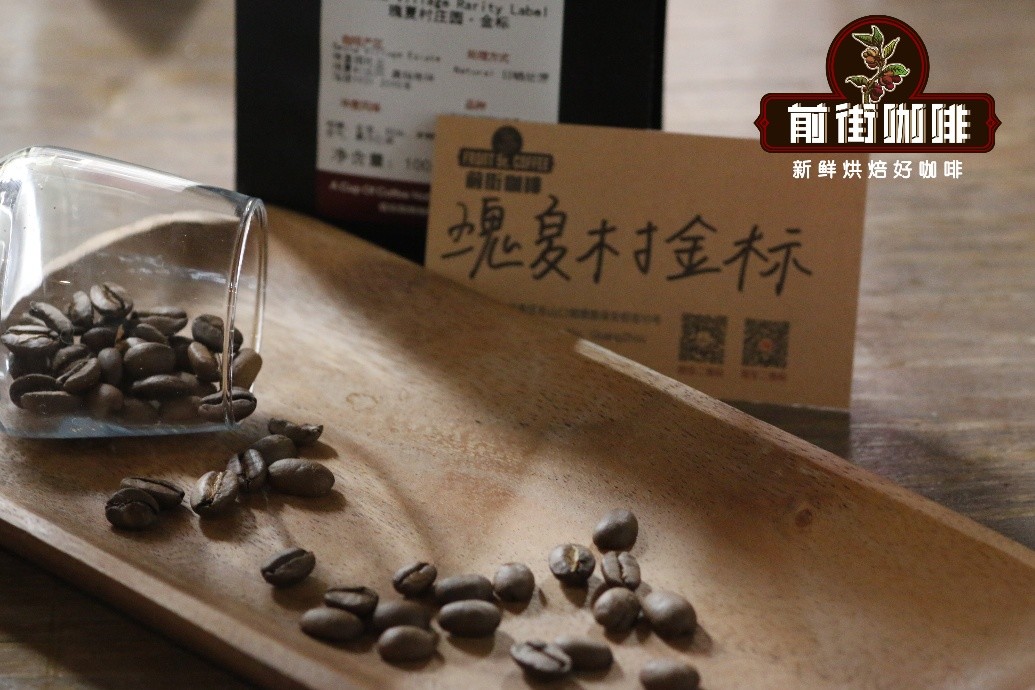
The Gold Label Geisha coffee comes from the Oma plot of Bench Maji coffee. The coffee variety is Gesha 1931, and like the Red Label it also uses natural processing. Now that FrontStreet has mentioned this, you may be wondering: what is the difference between these two Geisha coffees from Gesha Village?
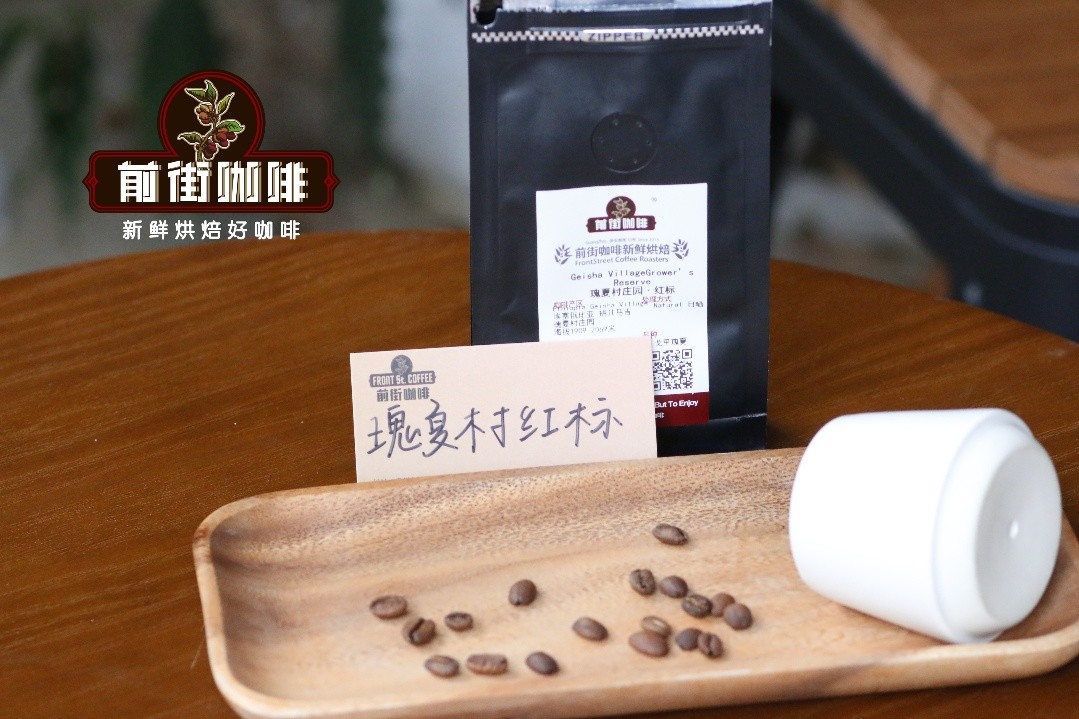
So, Front Street uses the most direct and simple way to explain the differences between these two Geisha coffees from Gesha Village. To compare two coffees, taste and flavor are the most direct way. So Front Street used the same brewing method to compare these two Geisha coffees. Front Street found that the Gold Label Geisha coffee has a relatively clean mouthfeel, with tea-like and juice-like textures being quite pronounced, while the Red Label Geisha has higher sweetness than the Gold Label, like the sweetness of fruit candy, with a very intense fermented aroma.
If you were to compare Gesha Village estate coffee with Panama's Red Label, Green Label and Blue Label Geisha coffees, Front Street believes that Gesha Village's Geisha coffee leans more toward the fruity aroma type, while Panama's Hacienda La Esmeralda Geisha leans more toward tea and floral notes. And Gesha Village's Geisha coffee has higher sweetness than Hacienda La Esmeralda's coffee.
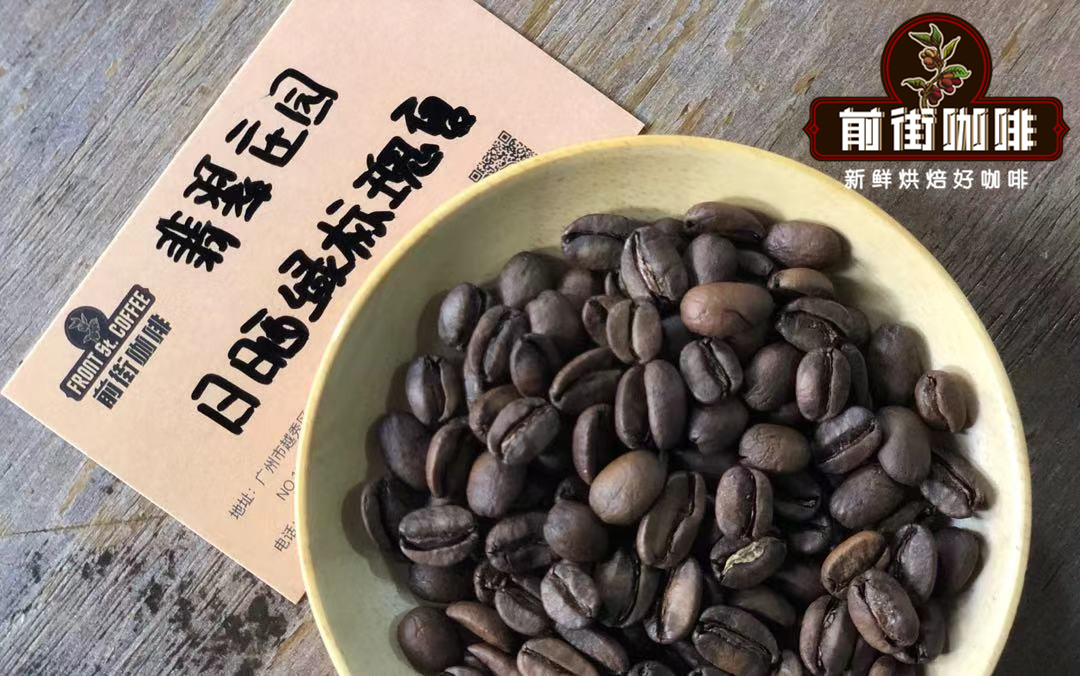
There is also the Chaka lot Geisha coffee, which is a blend of coffee from all the plots of the estate and the entire production season. The Chaka lot coffee has two processing methods, natural and washed, and includes three coffee varieties from Gesha Village: Geisha 1931, Gori Gesha and Illubabor. Compared with the Red Label, Chaka's flavor has a very pronounced osmanthus fragrance, lemon-like acidity, and after it cools, peach and tea-like notes. Front Street believes that these three Geisha coffees from Gesha Village each have their own characteristics.
Next, Front Street introduces the Geisha coffee from Costa Rica, which is known for its honey processing method. This Geisha coffee comes from the La Candelilla estate in Tarrazu, Costa Rica's largest specialty coffee producing region, where mainly Caturra and Catuai are grown, with other varieties including Geisha, SL-28 and Typica.

The name La Candelilla estate has a romantic origin, because local coffee farms would see many fireflies at night, so the estate was called La Candelilla estate. The environment of La Candelilla estate is very favorable for growing coffee, with a large temperature difference between day and night, which is very helpful for coffee cherries to better accumulate nutrients and produce more delicious flavors. When Front Street brewed this Geisha coffee from La Candelilla estate, compared with Panama Geisha coffee, it leaned more toward fruity notes, floral fragrance and bright acidity.
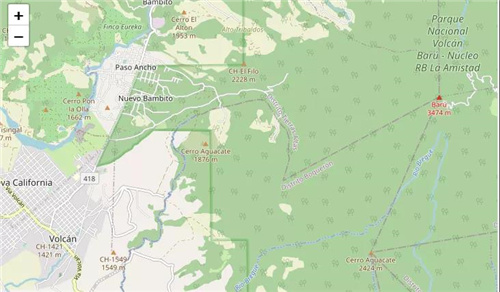
Finally, there is the flavor of Panama Geisha coffee! Front Street has learned that the two main regions producing specialty coffee in Panama are the Boquete region and the Volcan region. Their coffee gives off an elegant and charming perfume-like floral fragrance, reminiscent of fruity aromas, and the lingering coffee aroma is a characteristic of this coffee. Front Street Coffee has several coffee beans from the Boquete region, such as Butterfly coffee beans, Elida Typica and others. The Boquete region is located near the border between Panama and Costa Rica, close to the famous Baru Volcano, with fertile and rich soil, and the climate and soil are very suitable for producing high-quality coffee.
The Panama natural Green Label Geisha coffee that Front Street recently put on the shelf sometimes, when brewed, shows the classic Geisha flavors: floral aroma, fruity aroma, and a rich mouthfeel with citrus-like acidity. This is because both the Green Label and Red Label come from Hacienda La Esmeralda's highest-quality Jaramillo and Canas Verdes regions in Panama. So, although the Green Label is not as high-grade as the Red Label, since it uses a blend of different plot patterns, the flavor similarity between the two is very high.
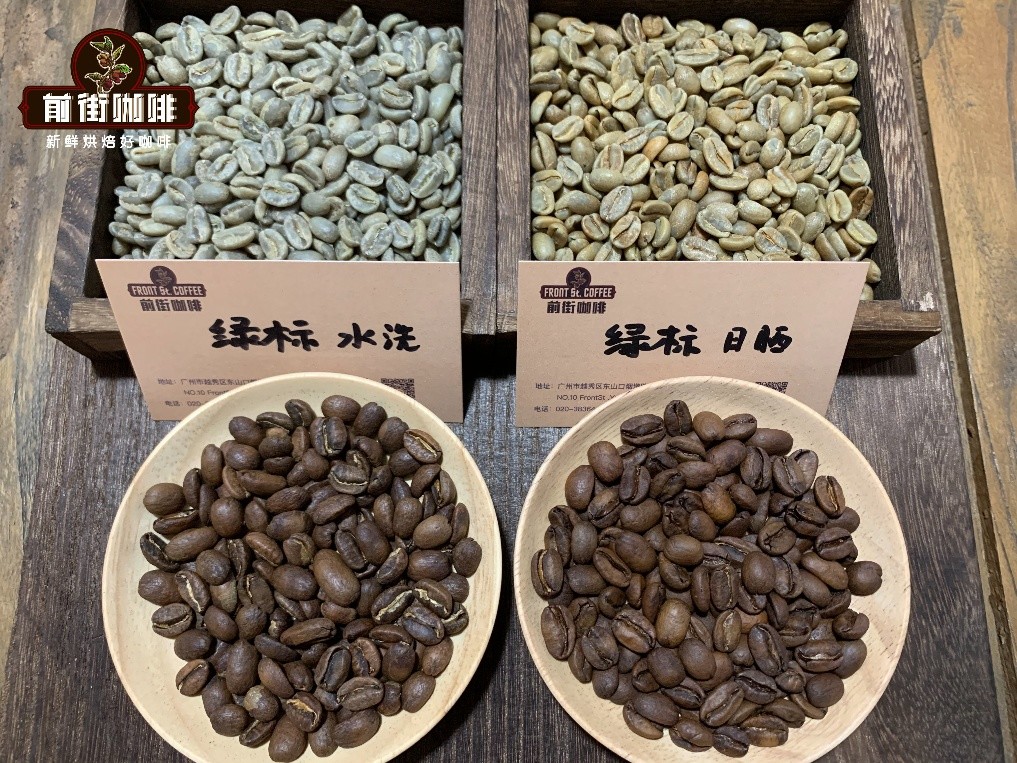
In recent years, more and more countries have joined the ranks of growing Geisha, such as Colombia, Costa Rica and Ethiopia, all of which produce Geisha. Front Street also cupped this natural Green Label Geisha. When ground into powder, you can smell a dry fragrance similar to passion fruit. After pouring in hot water, a jasmine floral fragrance rushes toward you. When actually tasting it, the entry has very bright lemon acidity, and after cooling there is passion fruit aroma and strawberry juice texture, with a honey-like sweet finish. This is a very classic Geisha flavor and very much worth trying.
Brewing suggestions for Geisha coffee:

Dripper: V60
Dose: 15g
Coffee-to-water ratio: 1:15
Water temperature: 90-93°C
Grind size: medium-fine (80% passing rate through a No. 20 national standard sieve)

FrontStreet Coffee brewing method
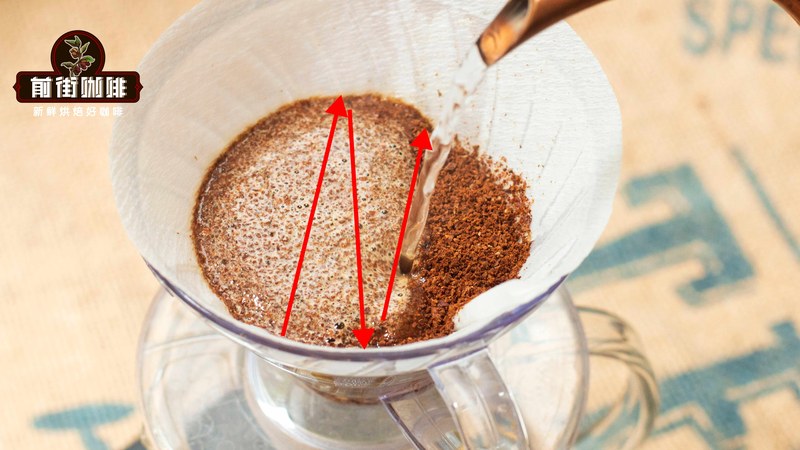
For the first pour, use 30g of water to bloom for 30 seconds. For the second pour, pour in a slow circular stream until it reaches 125g, then pause. When the water level drops and is about to expose the coffee bed, continue pouring for the third stage until it reaches 225g and stop. When the water level drops and is about to expose the coffee bed, remove the dripper. (Timing starts at the beginning of the bloom.) The extraction time is 2'00".
Related Reading
Comments (0)
Loading comments...
You May Be Interested

Trending Reviews
Popular Videos

With you, wherever you are! We provide useful features to help you find new things you'll love






