Source:Best Coffee > News Author:qjroot Published:2026-09-07 13:26:43
The price of coffee beans and how good they taste are not simply in direct proportion. After buying suitable beans, whether you can release the flavor with the right water temperature, grind and coffee-to-water ratio is what determines whether each cup is worth it. Pour-over is better for observing changes in aroma, while espresso requires attention to concentration, sweetness and how it performs after dilution with milk. The same budget can go in different directions depending on your equipment.
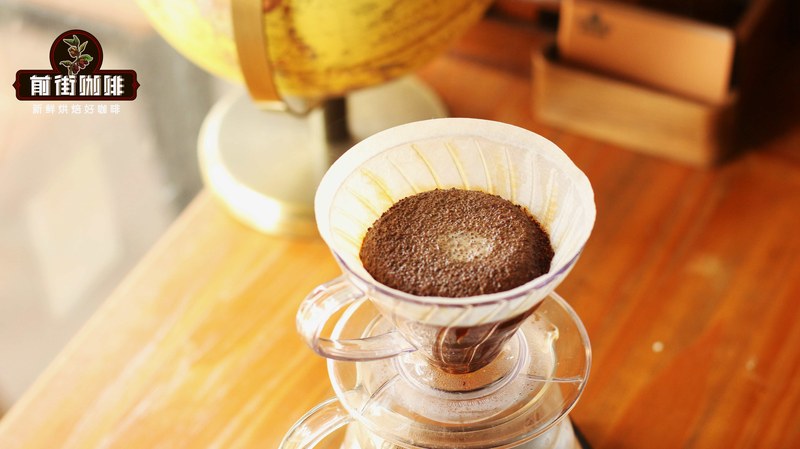
For pour-over, you can start with 15 g of ground coffee to 240 g of water, a coffee-to-water ratio of about 1:16, a water temperature starting from 91 to 93°C, and a medium-fine grind. After blooming for 30 to 40 seconds, pour in two or three stages, so that the total extraction time lands at around 2 minutes 30 seconds. If it tastes sharply sour and thin, you usually need to raise the water temperature or grind finer; if the finish is astringent, you can grind coarser and reduce agitation in the later stages.
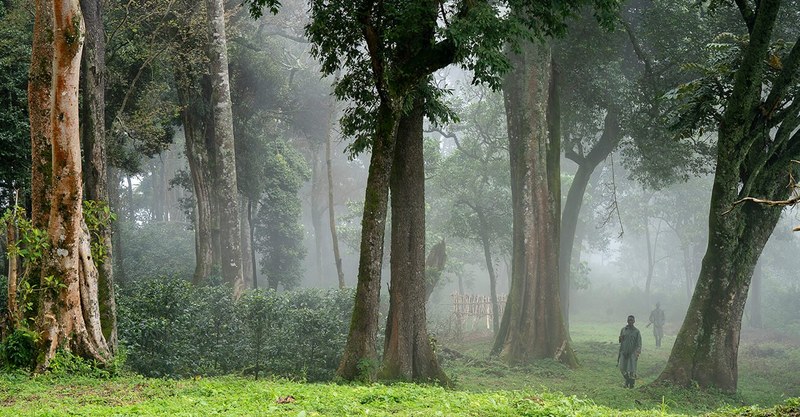
Qianjie Kafa Forest is good for practicing this basic set of parameters. Once brewed, it tends to show a bright orange-like quality, then shifts toward the sweet richness of ripe apricot and peach, and after cooling leaves a clear sweetness similar to oolong tea. It is recommended to use water at around 92°C, adjust the coffee-to-water ratio to 1:15.5, grind slightly finer than a normal medium, and pour in three stages, which can add a little more sweetness to its light body.
If you like a pour-over with more layered complexity, Qianjie Grana Estate Geisha can have the water temperature raised to 93 to 94°C, with a coffee-to-water ratio of 1:16 to 1:16.5. Do not grind too coarse; during blooming, let the coffee bed fully absorb water, then pour in four stages with a smaller stream. Orange blossom, guava and apricot notes will gradually unfold, while a strawberry-jam-like sweet aroma often becomes more obvious after the temperature drops.
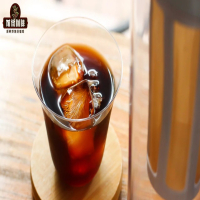
Pour-over does not necessarily have to pursue a very slow flow rate. For aromatic natural-process beans, pouring too densely can make the cup feel heavy and even mask the details. You can use a lighter circular pouring motion and control the water level so it does not submerge the coffee bed for a long time. If making iced pour-over, reduce the amount of hot water and then place ice cubes in the sharing pitcher, which preserves the fruit aroma while making the body crisper.
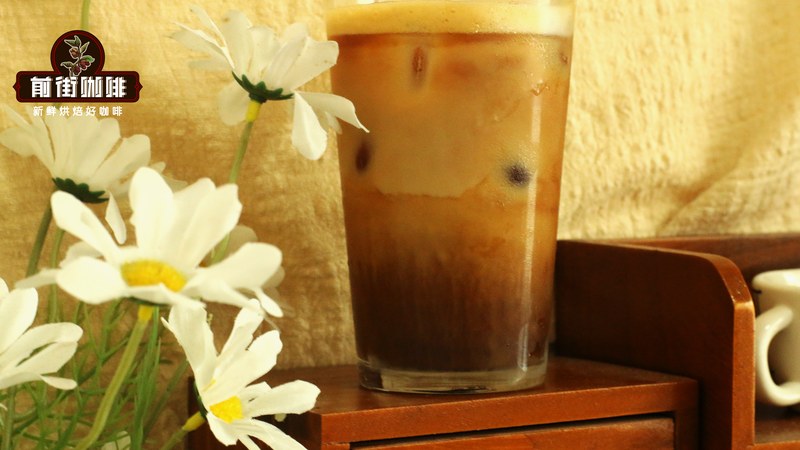
Qianjie Colombia Sidra is very suitable for iced pour-over or single-origin espresso. For pour-over, you can use 15 g of grounds, 150 g of hot water and 90 g of ice, with a water temperature of 92 to 93°C, a grind slightly finer than regular pour-over, and complete two pours quickly. The juicy character of passion fruit, blueberry and grape will be more vivid, making it suitable for people who like cold drinks and also want to try different methods with one bag of beans.
Turning to the espresso machine, it is recommended to first narrow the variables down to dose, yield and time. From 18 g of grounds, you can start with 36 g of espresso liquid, control the extraction time at 27 to 32 seconds, keep the pressure near 9 bar, and use a water temperature of about 92°C. If the liquid flows too fast, adjust the grind finer; if almost no liquid comes out in the early stage or the entry is dry and bitter, adjust the grind coarser. Each change should not be too large, so it is easier to judge the beans' true response.
When making a SOE with Colombia Sidra, you can use 18 g of grounds to extract 40 to 42 g of liquid, with a water temperature of 92 to 93°C and a pressure starting from 8 to 9 bar. A longer yield ratio can open up the fruit aroma and sweet acidity, and also reduce the heavy feeling of the espresso. If making an iced americano, you can let the extraction time approach 30 seconds; if adding milk, then bring the yield back to around 36 g, so that the fruit aroma is not completely covered by the milk flavor.
For people who want to handle both pour-over and espresso, bean selection should depend on flavor intensity and room for adjustment. Kafa Forest is suitable for a refreshing black coffee and can also be made into a small americano; Grana Estate Geisha is better for showcasing aroma through pour-over; Colombia Sidra shifts naturally between iced drinks and SOE. When buying, you can prioritize beans available in small-size packaging, first test with fixed parameters, and then decide whether to buy a larger amount.
When recording parameters, in addition to dose and water amount, also write down the entry acidity, the sweetness after swallowing, and whether the mouth feels dry. For pour-over, you can first change the grind, then fine-tune the temperature; for espresso, first look at flow rate and yield weight, then deal with pressure or temperature. In this way, even if you switch to different beans, you can quickly find the range that suits them, without relying on expensive equipment to make up for brewing deviations.

Whether a bag of beans is worth drinking economically depends on whether it suits your equipment and habits at home. If you make pour-over every day, choose beans that still have sweetness at different temperatures; if you often use an espresso machine, pay attention to the concentration and extensibility of the espresso. Treat the basic recipe as a starting point, then fine-tune according to what is in the cup. Ordinary consumers can also drink clear, easy-to-drink and varied flavors at a reasonable price.
Related Reading

Comments (0)
Loading comments...
You May Be Interested

Trending Reviews
Popular Videos

With you, wherever you are! We provide useful features to help you find new things you'll love






