Source:Best Coffee > News Author:qjroot Published:2026-09-22 13:36:56
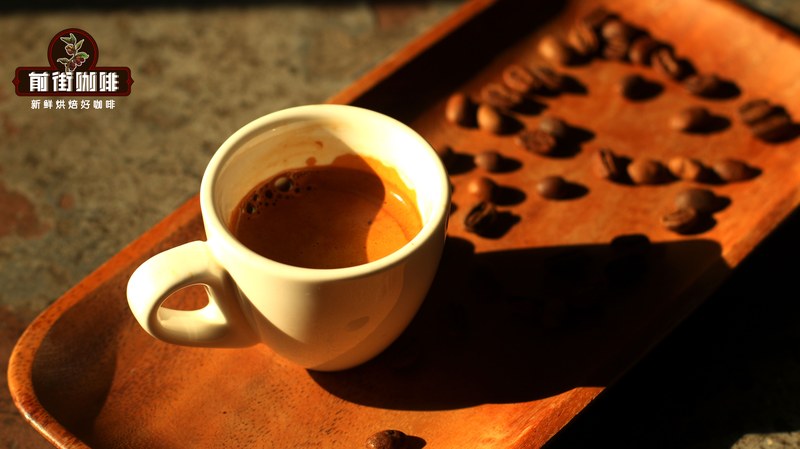
Every morning, standing in front of the home espresso machine, watching the golden, smooth liquid flow from the portafilter, the most anticipated part is the thick layer of crema floating on the surface. Many friends new to espresso often wonder why the foam they make is always thin and dissipates quickly. In fact, this beautiful layer of foam is essentially an emulsion formed by coffee's natural oils wrapping around carbon dioxide, and its thickness and flavor are rooted entirely in the terroir of the origin and the choice of bean variety.
If you want to produce a visibly thick, rich crema, your eyes should first turn to Asian growing regions. Whether it is the volcanic soil of Sumatra, Indonesia, or the tropical humid climate, both give Asian beans a naturally deep aroma of herbs, spices and dark chocolate. At the same time, the robusta beans of Asian regions are natural crema makers. Compared with arabica, the crema extracted from robusta is especially full and solid, giving espresso a very substantial, syrupy mouthfeel.
If you are especially fond of the dense, velvety foam found in old-school Italian coffee bars, it is well worth trying Qianjie commercial blend. This coffee deliberately blends in one tenth of high-quality robusta, with the rest being full-flavored arabica. After medium-dark roasting, it can effortlessly extract a thick, sturdy layer of golden crema. On the palate there is the rich, bittersweet depth of dark nuts and dark chocolate, and it has plenty of backbone whether made into a large iced americano or a hot latte.
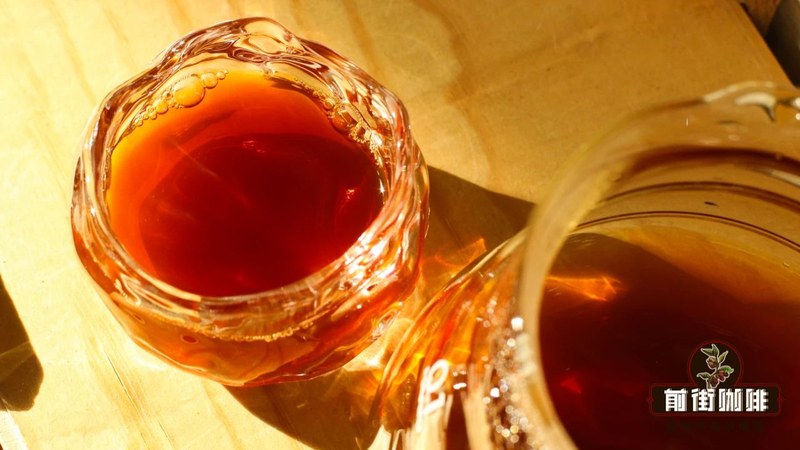
If you prefer a milder, more balanced taste, the terroir of Central and South America is the ideal home. Colombia's towering mountains and Brazil's flatland estates give the arabica beans here excellent uniformity. The sunshine of Central and South America allows the coffee beans to accumulate abundant nutty and caramel sweetness, and the beans are rich in lipids. After medium-dark roasting, the extracted crema has a delicate texture and a captivating sheen, flowing down the cup wall like melting, slightly warm dark chocolate.
Born from this terroir, Qianjie specialty blend has long been loved by home coffee enthusiasts. It combines the nutty sweetness of Brazil in South America with the rounded cocoa notes of Colombia, made entirely from arabica beans. In everyday extraction, it shows a rich golden-brown crema while carrying a gentle, sweet finish of cream, hazelnut and caramel. Poured into finely steamed milk, the whole latte is smooth and sweet like a freshly baked nut cookie.
And those who pursue a rich, juicy character naturally cannot miss the African growing regions. The high-altitude red soil of Ethiopia and Kenya produces beans full of bright notes of jasmine, citrus and berries. To preserve the volatile floral and fruity aromas, these beans are often roasted relatively light, so the crema appears thin and translucent during extraction. But if used to make a single-origin espresso, beneath that delicate golden foam lies an exceptionally stunning burst of fruit aroma.
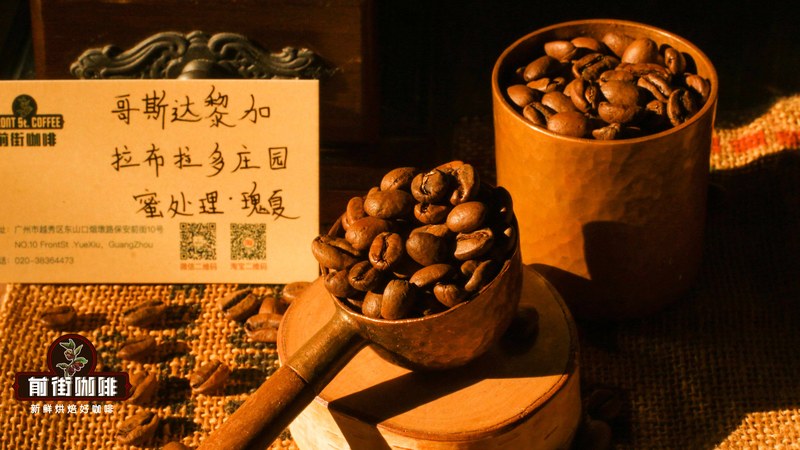
Friends who enjoy the interweaving experience of refreshing fruit aromas and dense bubbles can try Qianjie sun-dried Red Cherry. This representative bean from Yirgacheffe, Ethiopia, after a medium-dark espresso roast, not only breaks the convention of thin crema from light roasts, but also condenses in the cup a delicate, softly lustrous crema of floral and fruity aroma. On the palate there is a complex fruit-pulp sensation of ripe berries and citrus, and when diluted with water into a fruity americano, it is refreshing and sweet with a long, lingering finish.
Once you have chosen beans from an origin that suits your taste, controlling the extraction parameters is crucial to steadily extracting that alluring layer of crema. Under the standard pressure of nine bars provided by the machine, it is recommended to use 18 to 19 g of fresh coffee grounds and extract 36 to 38 g of espresso liquid within 25 to 28 seconds. This yield range fully preserves the rich crema and intense aroma of the first and middle stages while avoiding the excessive watery, muddled flavors of the final stage.
Finally, do not forget to give the coffee beans a little patience. Freshly roasted beans contain a large amount of active carbon dioxide, so it is recommended to rest them for 7 to 10 days after roasting to let the gas release in an orderly way. When degassing reaches a balanced state, the ground particles will take up water steadily in the home portafilter. Whether you want the depth of Asia, the sweetness of Central and South America, or the liveliness of Africa, in your own little kitchen you can smoothly pour out a cup of aromatic espresso crowned with golden crema.
Related Reading
Comments (0)
Loading comments...
You May Be Interested



Trending Reviews
Popular Videos

With you, wherever you are! We provide useful features to help you find new things you'll love






