Source:Best Coffee > News Author:qjroot Published:2026-09-24 14:35:04
When morning light hits your desk and you tear open a drip bag, many people find the brew comes out thin as water, or a tightening astringency rises in the tail end. Actually, whether a drip bag tastes good comes down to the balance between extraction yield and strength. The flavors released by coffee grounds in hot water follow a sequence: acidity and sweetness come out first, while bitter, harsh and off-flavors come later. Master the pouring rhythm, and you can keep the whole cup clean and easy to drink.
When a cup of coffee tastes weak, it is often because the water was poured too fast, causing under-extraction, before the flavor compounds had time to dissolve out; if it tastes bitter or astringent, it is mostly because the water temperature was too high or the flow too slow, extracting the woody, fibrous off-flavors. Grind size, water temperature and water amount work together, and the water temperature is best kept between 88 and 95 degrees. Too low a temperature makes it hard to bring out the aroma, while too high easily turns it bitter; a moderate temperature brings out a crisp, clean taste.
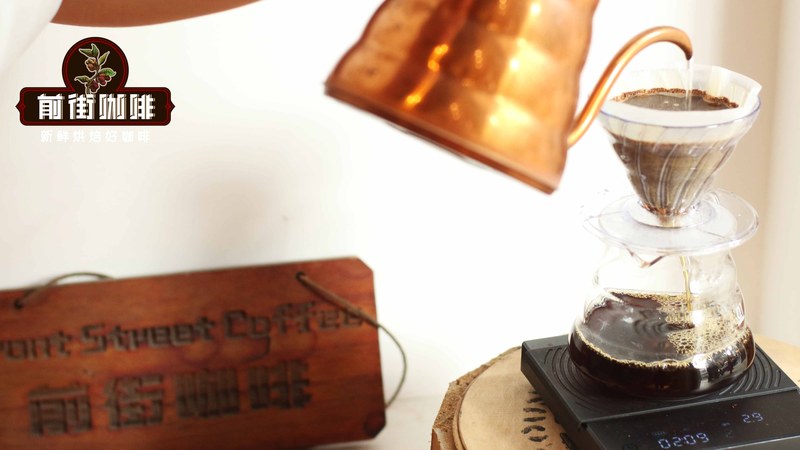
When brewing, first tear the drip bag open along the dotted line and hang it steadily on the rim of the cup. Prepare 10 g of coffee powder per bag, start by pouring in a small amount of hot water to wet the coffee bed, and let it bloom for 10 to 20 seconds to release the gases. Then pour in a steady, thin stream until the cup is nearly full, wait for the coffee to slowly drip down, and just before it drains, pour again to full; the total water poured is about 150 g, and once 120 to 130 ml of coffee has dripped through, you can remove the drip bag.
This staged-pouring approach is in the same lineage as standard pour-over. Standard pour-over usually uses 15 g of coffee powder, pouring 225 ml of hot water at a 1 to 15 coffee-to-water ratio; first bloom with 30 ml of water for 30 seconds, then pour in stages so the stream passes evenly through the coffee bed, keeping the total time to around 2 minutes. Once you master this timing and flow rhythm, a drip bag can also brew a layered, aromatic cup to rival a dripper.
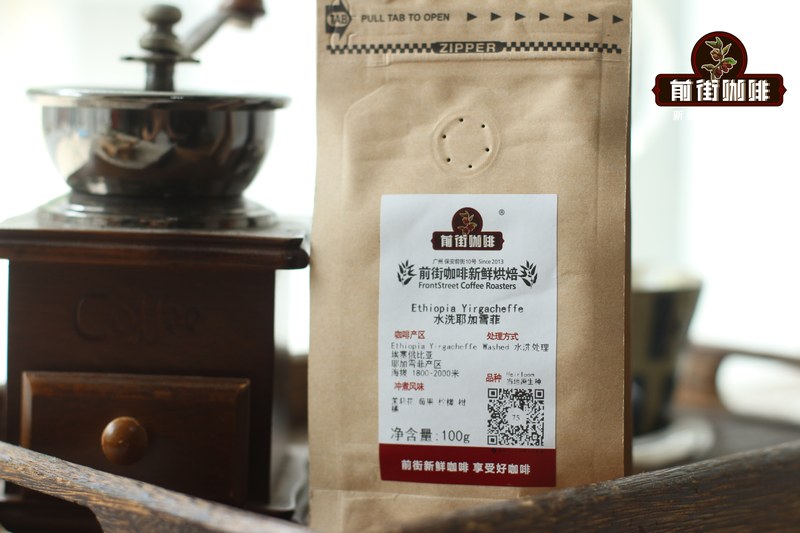
Once you have mastered the brewing technique, choosing beans still depends on whether you usually prefer a strong or a light cup. Friends who like fresh floral and fruity aromas and a preference for a bright, juicy feel are well suited to light-roast beans. Qianjie Yirgacheffe seasonal drip bags carry an elegant jasmine floral note and a bright citrus acidity; brewed with a slightly higher water temperature and a slightly faster stream, the strength is just right, and it drinks like a freshly brewed lemon black tea, with a particularly lively, light mouthfeel.
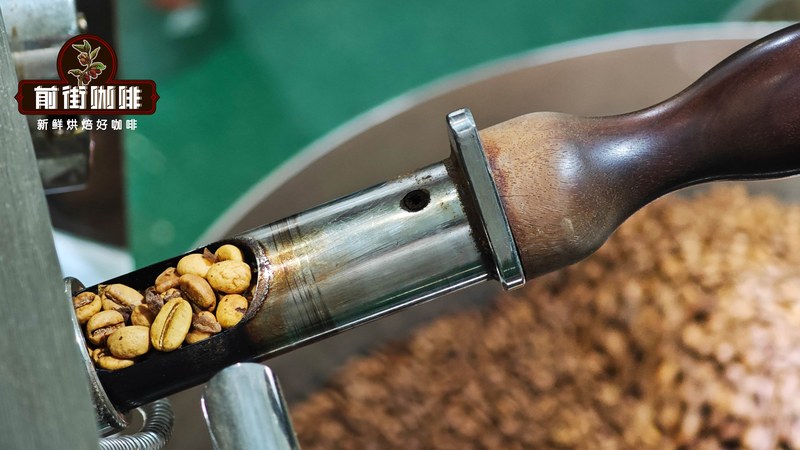
If you do not like acidity and do not want it too bitter, and want a warm, balanced everyday coffee, a medium-roast option with straightforward flavor suits you. Qianjie Brazil seasonal drip bags are just right; when you pour the water you can smell a rich mix of nuts and roast aroma, and on the palate there is a silky cream and sugarcane sweetness, with moderate acidity and bitterness; even if the water temperature is a little off, the brew still comes out smooth and full.
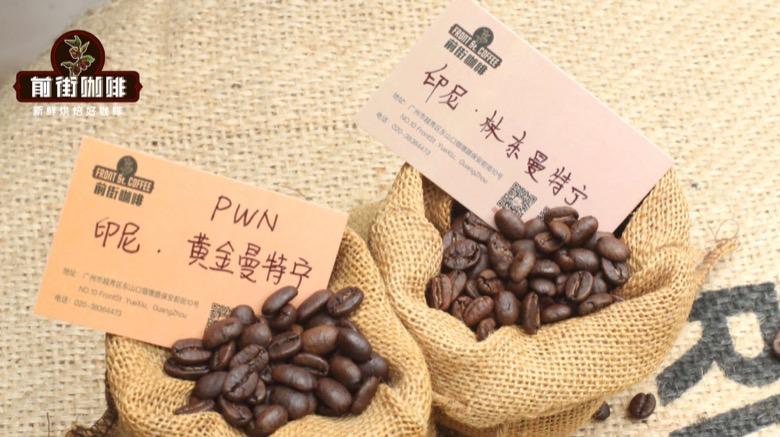
For friends who prefer a rich, solid body and like coffee with a deep caramel and dark chocolate aroma, medium-dark roast drip bags are the ideal choice. Qianjie Indonesia Mandheling seasonal drip bags carry a highly recognizable herbal spice flavor and a deep dark chocolate bittersweetness; when brewing, you might slow the pouring speed a little to extract a cup with a higher strength, and even if you later add warm milk, the rich nutty base remains distinct.
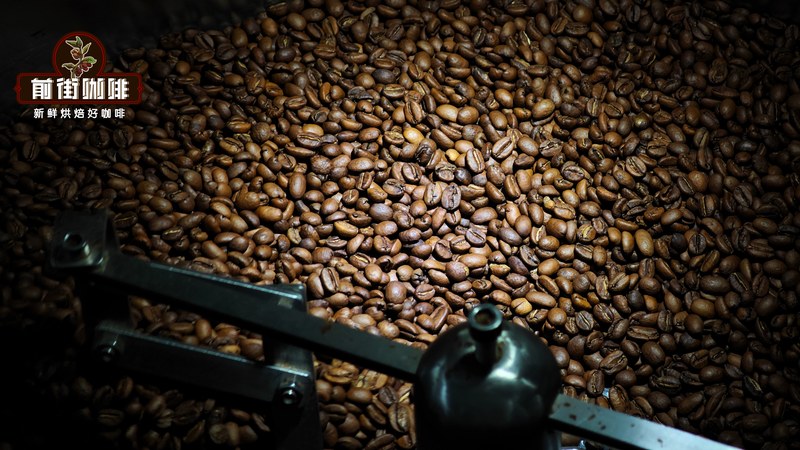
Being able to extract the flavors consistently also depends on the freshness of the coffee powder. The coffee beans shipped by Qianjie are all freshly roasted within five days and made into drip bags, and the grounds remain active after grinding. When you pour in hot water to bloom, you can see the coffee bed inside the non-woven fabric rise slightly and release gas evenly; this is a sign that the aroma has been well preserved, so taste it as soon as possible after it arrives while it is fresh, and the pure flavors will naturally flow through your mouth.
When brewing at your desk on ordinary days, there is no need to treat extraction yield and strength as complicated experimental formulas. Give the beans a suitable water temperature according to their roast level, and use staged pouring to control the flow rate and water amount; if it tastes weak, pour a little slower to raise the strength, and if it tastes astringent, brew a little faster to lighten the load. Fine-tune your favorite beans to a smooth state, and even on a busy workday you can pick up a cup of relaxed, good coffee at any time.
Related Reading


Comments (0)
Loading comments...
You May Be Interested

Trending Reviews
Popular Videos

With you, wherever you are! We provide useful features to help you find new things you'll love






