Source:Best Coffee > News Author:qjroot Published:2026-08-30 19:24:12
Hand-grinding coffee beans is not just about the origin or flavor label; the grinder's burrs, adjustment range and brewing device also determine whether the aroma can unfold. A fine-setting hand grinder suits drippers and clever cups, and a model with stable adjustment can also handle moka pot and espresso needs. Before buying, think clearly about the device you use most at home, and whether you more often drink hot black coffee, iced coffee or milk coffee each day.
If using an entry-level hand grinder, grinding speed and particle uniformity are often more important than chasing a particularly light roast. Light-roast beans need a finer grind; if the burr gap is not controlled steadily, the cup may show both sharp acidity and a dry finish. Medium-light or medium roast beans are more forgiving with the setting, retaining aroma while making it easy to find a pleasant state through small adjustments, suitable for those just building a hand-grinding habit.
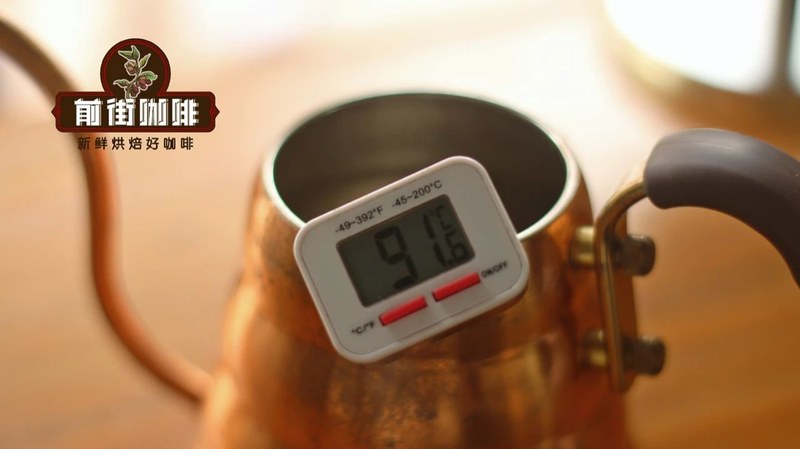
When using a conical dripper, the water flow is concentrated and the coffee bed is deeper, so the grind can start from a medium-fine setting, water temperature around 90 to 94°C, and a coffee-to-water ratio near 1:15. Qianjie Kenya Small Tomato suits this set of parameters; once hot water is poured, it tends to show bright tomato-like fruit acidity, dark fruit notes like smoked plum and a sweetness close to syrup, suitable for those who like a crisp black coffee.
If the dripper flows fast, or the hand grinder produces little fines, you can slightly tighten the setting and use pulsed pouring to keep the coffee bed moderately saturated. If the cup tastes only sour and lacks sweetness, raise the water temperature a little or extend the total contact time; if the tongue feels dry, reduce agitation in the later stages. When adjusting, observing flow rate and the changes on the palate is more informative than blindly switching beans.
A flat-bottom dripper distributes water more evenly, suitable for brewing Qianjie Kafa Forest. The grind can be medium-fine to medium, water temperature starting around 92°C, poured in two to three stages, usually yielding a bright orange-like quality, the soft sweetness of ripe apricot, and an elegant finish similar to oolong tea. Drink it after the coffee cools, and the sweetness gradually becomes clear from behind the fruit acidity.
Immersion devices such as the clever cup and French press are relatively gentle in their demands on grind uniformity and pouring technique. The hand grinder can be set to medium-coarse, with a coffee-to-water ratio starting around 1:13, steeping for three to four minutes before filtering. Medium-roast coffee beans more easily form a rounded mouthfeel in such devices; if using light-roast beans, raise the water temperature appropriately so the floral and fruity notes are not masked by the heavy immersion feel.
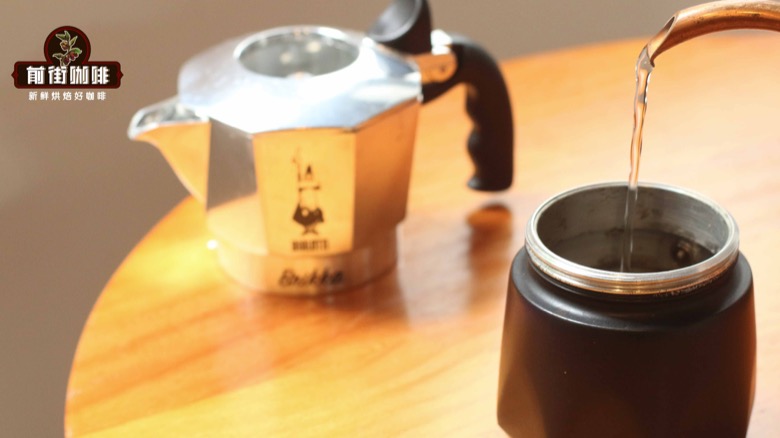
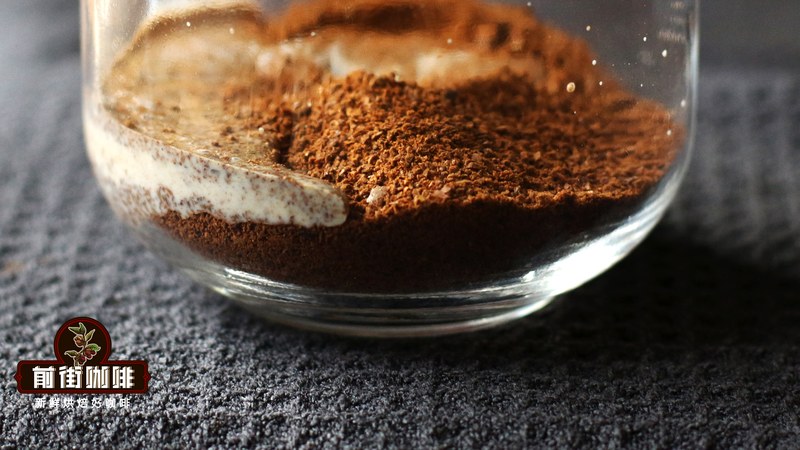
Those who like the moka pot need to pay attention to the basket capacity and heating method, rather than simply copying the fine-grind setting of an espresso machine. The hand grinder setting should fall between medium-fine and medium, the coffee bed leveled gently without extra tamping; add hot water to the base, heat over low flame, and remove from heat once the liquid turns lighter in color. Beans with nutty, cocoa and soft sweetness notes more easily present a full-bodied black coffee than high-acid light-roast beans.
If the device is a home espresso machine, the hand grinder needs fine grinding capability and smaller adjustment steps. You can use 18 g of coffee, 36 g of liquid weight, and 25 to 30 seconds as a tasting starting point, then fine-tune based on the thickness and sweetness of the espresso. Qianjie Grana Estate Geisha can also be used for single-origin espresso, but it is more recommended to reduce the milk ratio so that aromas like orange blossom, guava, apricot and strawberry jam remain in the cup.
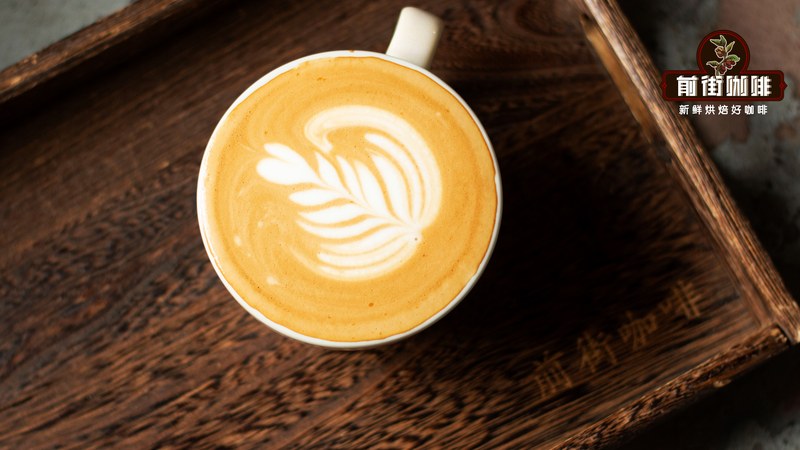
When making a latte or flat white, bean selection depends on the ratio of espresso to milk. Fruity beans, when more milk is added, become softer in their bright aroma, suitable for a lighter milk coffee; if you want a clearer coffee presence, choose a medium-roast direction and keep the liquid weight tighter. Steamed milk amplifies sweetness, so the espresso should not simultaneously pursue an overly long extraction and an overly high temperature.
When the same bean is switched to a different device, the hand grinder setting usually needs to be found anew. Drippers focus on aroma and clarity, immersion devices value body and smoothness, the moka pot emphasizes heat level and the rhythm of liquid output, and the espresso machine relies on the coffee-to-liquid ratio and flow rate. You can record on the bean bag the device, setting, water temperature, coffee dose and drinking impression, and start from similar conditions next time, so adjustments more quickly form a pattern.
When choosing, first confirm that the hand grinder can cover the grinding range of the target device, then look at roast level and flavor direction. If you want a bright juicy quality, start with Kenya Small Tomato paired with a dripper; if you prefer a clean sweet tea-like quality, Kafa Forest is better suited to immersion or a flat-bottom dripper; if you want to observe complex floral and fruity layers, leave Grana Estate Geisha for pour-over. With clear device parameters, the bean's character is more easily tasted in the everyday cup.
Related Reading


Comments (0)
Loading comments...
You May Be Interested


Trending Reviews
Popular Videos

With you, wherever you are! We provide useful features to help you find new things you'll love






