Source:Best Coffee > News Author:qjroot Published:2026-09-18 17:04:33
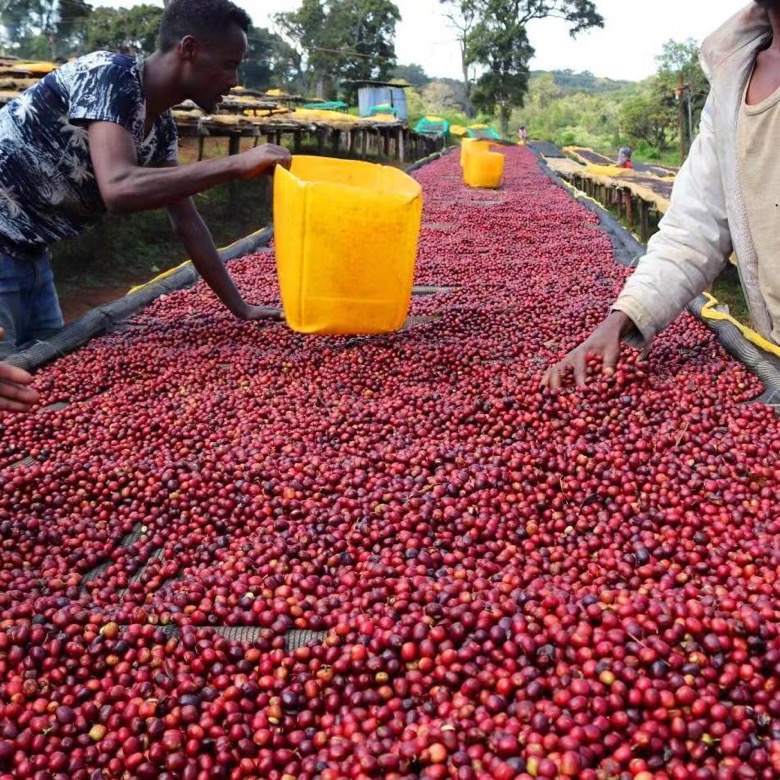
The most captivating thing about Ethiopian coffee is that sip of light, elegant white floral aroma and crystal-clear citrus acidity. This delicate, soaring tonality is extremely sensitive to the brewing environment, and the water that makes up the vast majority of the cup in everyday brewing often directly determines whether these aromas can fully unfurl, and is also the key to whether the flavors can emerge clearly.
The mineral content of brewing water is usually measured by TDS, in which calcium and magnesium ions constitute the water's hardness. Magnesium ions prefer to bind the fruit acids and aromatic molecules in coffee, calcium ions focus more on reinforcing body, while bicarbonate directly neutralizes acidity. If you habitually boil tap water for brewing, the relatively high hardness easily suppresses the signature lively fruit aromas of Ethiopian beans.
If you want the fresh, citrus-tea-like quality of Ethiopian coffee to stand out, choosing a low-hardness natural soft water with a TDS of around 45 to 75 will be a good match. For example, certain natural spring waters that are easy to buy day to day, or deeply filtered purified water, have low bicarbonate content, allowing the floral components to volatilize unimpeded, and the acidity of the whole cup will also appear vivid and translucent.
If you have a naturally processed bean that likewise carries intense floral and fruity aromas, such as Qianjie Grana Estate Geisha, it is especially suited to being brewed with this kind of low-mineral soft water. Use 15g of coffee grounds, pour in 91°C hot water, and follow a 1:15 coffee-to-water ratio for a three-pour method: first pour 30ml of water and bloom for 30 seconds, then steadily pour 95ml of water to reach 125ml, and after the water level drops slightly, pour another 100ml to a total water volume of 225ml, with the total time controlled at 2 minutes 05 seconds.
Brewed with suitable soft water, the orange blossom aroma, apricot sweetness and long strawberry-jam-like fruit resonance originally contained in this Geisha will be unfolded layer by layer. Soft water does not have the suppression of too many heavy minerals, making the full juice-like mouthfeel brought by natural processing appear clear and crisp, and even as the cup gradually cools, the finish still retains a gentle, mild guava-like aftertaste.
If your home conditions are limited and your everyday water has a TDS between 90 and 120, the acidity in the coffee may be slightly flattened, while the sweetness and nutty roasted notes will be relatively more prominent. At this point, when choosing Ethiopian coffee, you can lean toward lots with solid sweetness and rich candied-fruit flavors. The higher minerals just happen to support a full berry sweetness, drinking like a warm cup of fruity black tea.
Once you have grasped the characteristics of water, grind size and water temperature can also serve as levers for adjustment. When using extremely soft water to brew high-altitude light-roasted beans, the water itself has relatively weak extraction power, so you can adjust the grind half a step finer and raise the water temperature to 92°C to make up for the extraction yield; conversely, if the water has more minerals, lowering the water temperature to 89°C and slightly coarsening the grind can effectively slow the release of heavy ions.
When encountering an extremely delicate washed light-roasted lot, the purity of the water becomes especially critical. Take Qianjie Panama Hacienda La Esmeralda Red Label Geisha as an example: prepare 15g of medium-fine ground coffee, brew at 90°C, and use a two-pour method: first pour 35ml of water and bloom for 30 seconds, then with a steady small stream pour in a continuous circular motion up to 225ml and stop, with a total time of about 1 minute 55 seconds, and the coffee-to-water ratio likewise 1:15.
Brewing this bean with clean, pure soft water allows the elegant black-tea-like foundation and jasmine white floral aroma to emerge without any impurities, accompanied by the fresh sweetness of bergamot and citrus, with an especially smooth and delicate mouthfeel. This brewing pairing not only faithfully expresses the regional character of a high-altitude micro-lot, but also lets you directly experience the enormous boost water quality gives to aroma transparency.
When choosing Ethiopian coffee or beans of a similar floral-fruity tonality in daily life, you might as well factor your home's water quality into the consideration. Friends who habitually use purified water or a soft-water pitcher can freely choose light lots with prominent floral aromas and lively acidity; while those whose home water is on the hard side are better off choosing washed or natural beans with thick fruit flesh and rich honey sweetness, letting the water and the beans achieve a wonderful balance in the cup.
Related Reading
Comments (0)
Loading comments...
You May Be Interested


Trending Reviews
Popular Videos

With you, wherever you are! We provide useful features to help you find new things you'll love






