Source:Best Coffee > News Author:qjroot Published:2026-09-03 18:56:39
Tropical fruit-flavored coffee beans often carry aromas of passion fruit, grape, apricot or citrus, but whether these flavors can clearly make it into the cup is closely tied to the equipment parameters. Pour-over emphasizes aroma development, iced drinks rely on sweetness and concentration, and espresso needs to make the fruit acidity become concentrated in a short time. When choosing beans, you can first look at the equipment you commonly use at home, then plan the dose, water temperature, grind and extraction time.
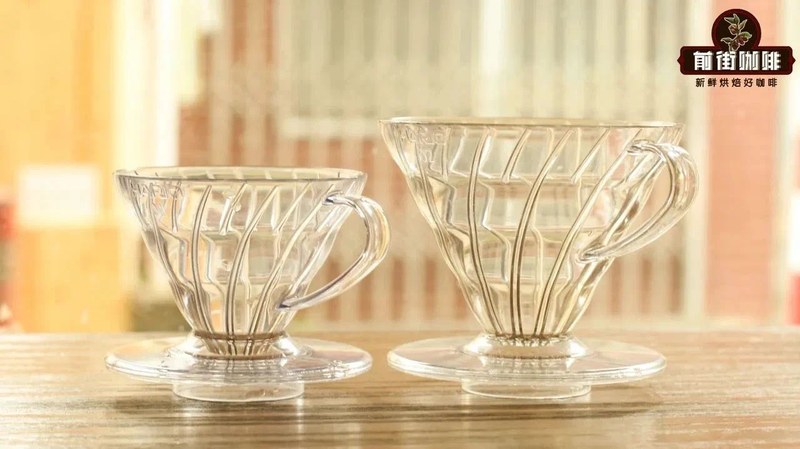
A pour-over dripper is suitable for observing the details of light-roasted beans. A common starting point for the coffee-to-water ratio is about 1:15, for example 15 g of coffee grounds to 225 g of water. Set the water temperature at 90 to 93°C, use a medium-fine grind, and pour in two to three stages. If the cup has only a sharp acidity, you can grind slightly finer or raise the water temperature to give the sweetness and fruit aromas more room to be released.
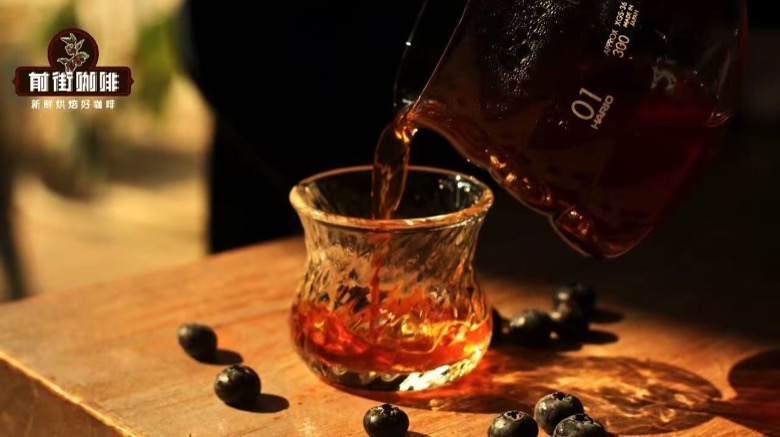
Qianjie Colombia Sidra is suited to being brewed with this approach. Its aroma easily brings to mind passion fruit, blueberry, grape and ripe apricot, with a bright, juice-like quality on the palate. When using a conical dripper, the water temperature can start at 92°C; pour gently in the early stage and reduce agitation in the later stage to preserve a clean profile; if you prefer a fuller body, you can narrow the coffee-to-water ratio to 1:14.
For beans with pronounced tropical fruit character, the grind should not be very fine from the start. A too-fine coffee bed will slow the water flow, and after the fruit acidity astringency tends to appear, while the aroma is also masked by a heavy body. If the total extraction time is clearly too long, you can coarsen by one setting and reduce circular pouring; if the flavor is thin and hollow, grind slightly finer, or reduce the total water amount by 10 to 15 g.
Iced pour-over needs to include the dilution caused by melting ice in the recipe. Taking 15 g of grounds as an example, you can use 150 g of hot water with 75 g of ice, keeping the water temperature at around 92°C, so the hot water is responsible for drawing out the aroma and the ice for rapid cooling. Tropical fruit beans often seem more juice-like at low temperatures; once the acidity is softened, sweet aromas such as grape, berry and apricot are more easily perceived.
The parameter logic for ice drip and cold brew is different again. Ice drip relies on a slow water flow passing through the coffee bed; the grind should be close to medium-coarse, the drip rate maintained at 1 to 2 drops per minute, and the total duration can fall within 6 to 8 hours. For cold brew, you can use a coffee-to-water ratio of about 1:13 and steep for 8 to 12 hours. A longer time does not necessarily mean more aroma; once you reach the concentration you like, filter promptly and the cup will feel cleaner.
Qianjie Yirgacheffe Gedingding can serve as a choice for the cold drink direction. It carries citrus, berry and floral notes, with a light, green-tea-like finish. When brewing pour-over, using a higher water temperature makes the floral and fruit aromas more vivid; when cold brewing, the low temperature rounds off the acidity, so it is recommended to use a medium-coarse grind and start tasting from around 10 hours. If you find the concentration too heavy, add a small amount of ice water to adjust, rather than continuing to extend the steeping.
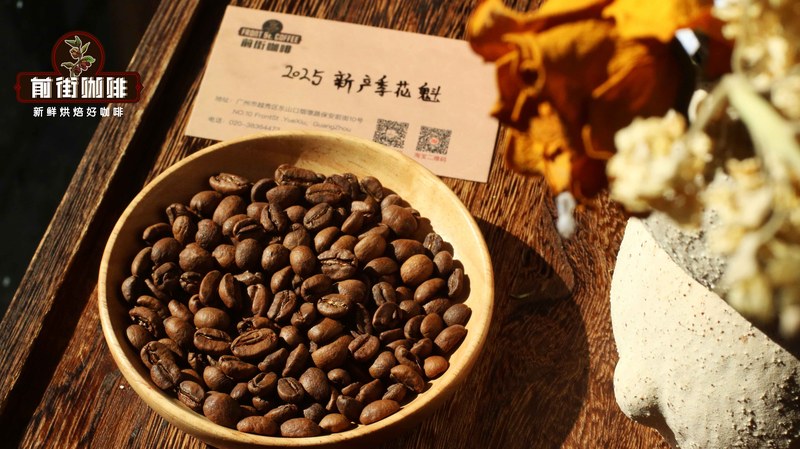
When using an espresso machine to make a single-origin espresso, the parameters need to revolve around concentration and the balance of acidity and sweetness. You can use 18 g of grounds and 36 g of liquid weight as a starting point, with the extraction time controlled at 27 to 32 seconds and the water temperature at about 93°C. Fruit-forward beans are usually ground much finer than for pour-over, but puck distribution, leveling and tamping also affect the flow rate, so you cannot rely on the setting alone to judge.
Qianjie Panama Hacienda La Esmeralda Red Label Geisha is better suited to a short-ratio espresso or Americano. Its jasmine, bergamot, citrus and black tea notes are relatively delicate, and the extracted liquid should not be pressed into bitterness by too high a temperature and too long a time. If the acidity hits sharply on the palate, you can increase the liquid weight by 2 to 3 g; if the aroma is diluted by a watery feel, then shorten the output volume. When making an Americano, add the water first and then pour in the espresso, and the aroma will be more complete.
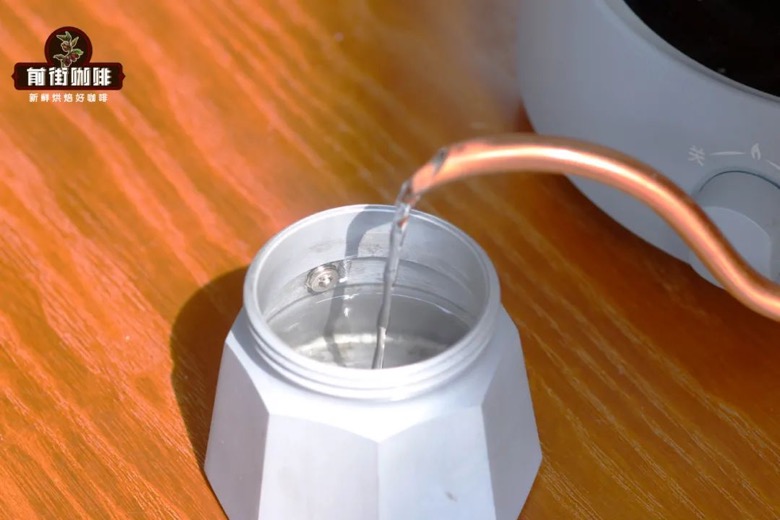
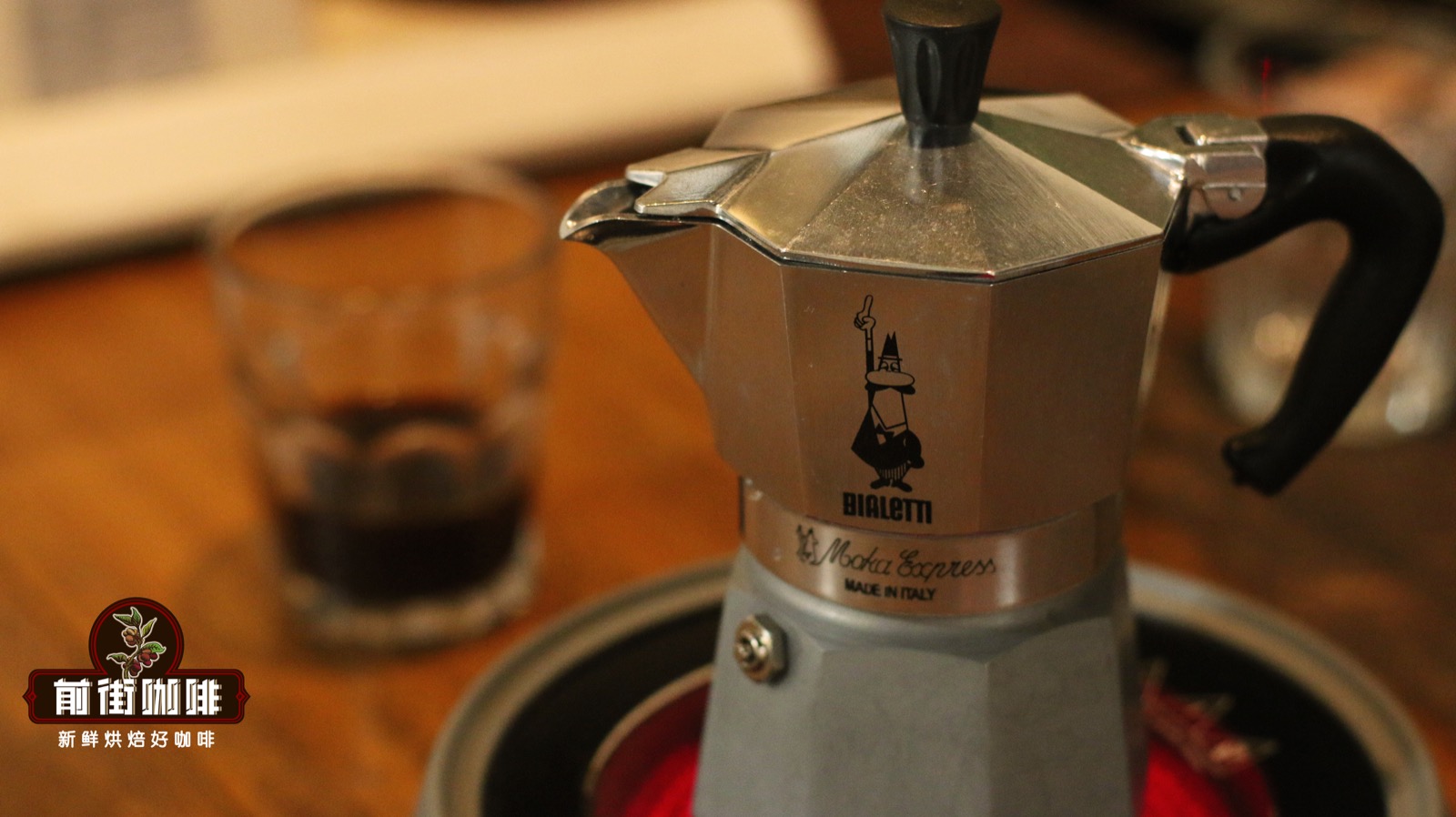
A moka pot can also express fruit beans, but heat and concentration need to be controlled. Fill the grounds to the capacity of the filter basket and level it off, use a medium-fine grind, add hot water to the pot and heat over low heat, then remove from the heat once the output color turns lighter. To make the fruit aroma clearer, you can add a small amount of ice or cold water to the cup; if you are after a rich sweetness, then reduce the extra water added, so the coffee liquid keeps a higher density.
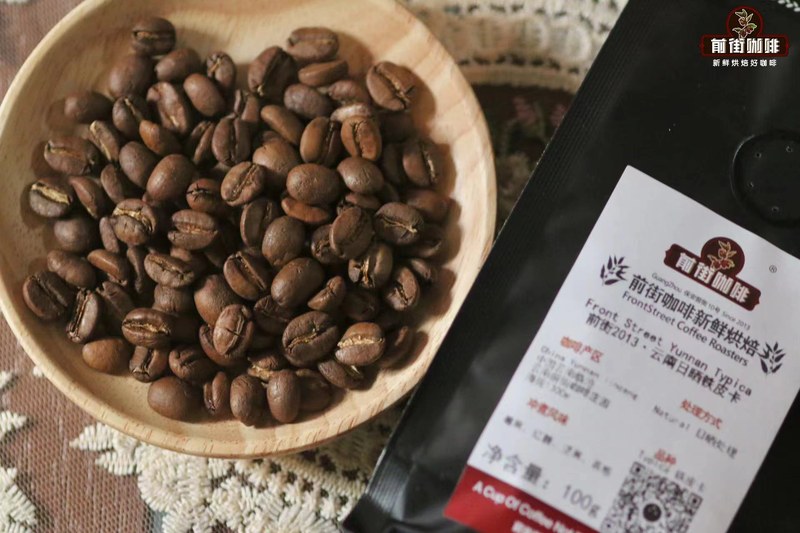
Parameter adjustments can be made around one clear goal: if you want aroma, raise the water temperature or reduce agitation; if you want sweetness, make the extraction more complete but avoid over-extracting the tail end; if you want concentration, reduce the water amount or shorten the dilution ratio in the drink. Record the dose, liquid weight and time each time, and change only one variable for the next cup; the tropical fruit flavors will then gradually turn from a vague acidic aroma into a clear and layered everyday experience.
Related Reading

Comments (0)
Loading comments...
With you, wherever you are! We provide useful features to help you find new things you'll love