Source:Best Coffee > News Author:qjroot Published:2026-09-07 09:47:38
Low-caffeine coffee does not mean thin flavor. What truly affects the cup is also the decaffeination method, the roast level of the beans, the grind size and the extraction yield. When buying, first check whether the packaging is labeled low-caffeine or decaf, and pay attention to the drinking suggestions; when brewing, then use the right dose and parameters to preserve the aroma, sweetness and smoothness.
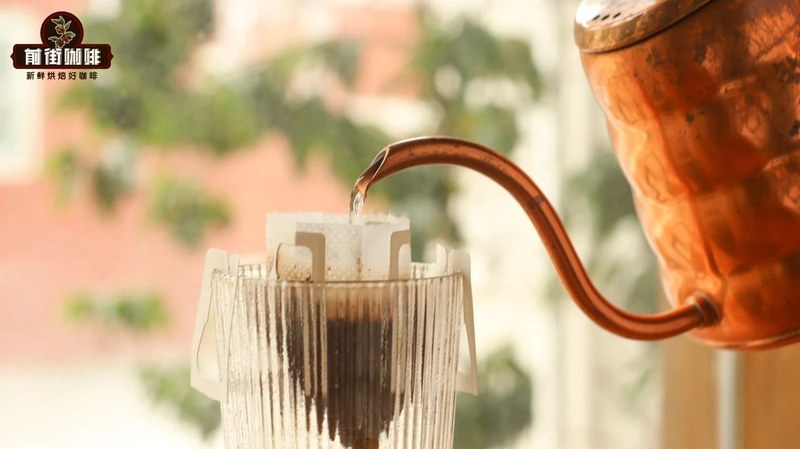
For pour-over decaf beans, you can start with a ratio of 15 g coffee to 240 g water, set the water temperature at 90 to 93°C, and keep the total extraction time between two and a half and three minutes. This range is suitable for first establishing a taste reference: if the entry is sharp and sweetness is lacking, it means soluble matter has not been released enough; if the finish feels dry, reduce agitation or let the water flow through faster.
Light-roasted beans with obvious floral and fruity notes need more sufficient energy. Take Qianjie Yirgacheffe Gudingding as an example: you can use water at 92 to 94°C, grind slightly finer, pour in three stages, with a total water amount of about 250 g. Citrus and berry aromas will appear in the front section, and after cooling, a green-tea-like clean sweetness is easier to notice.
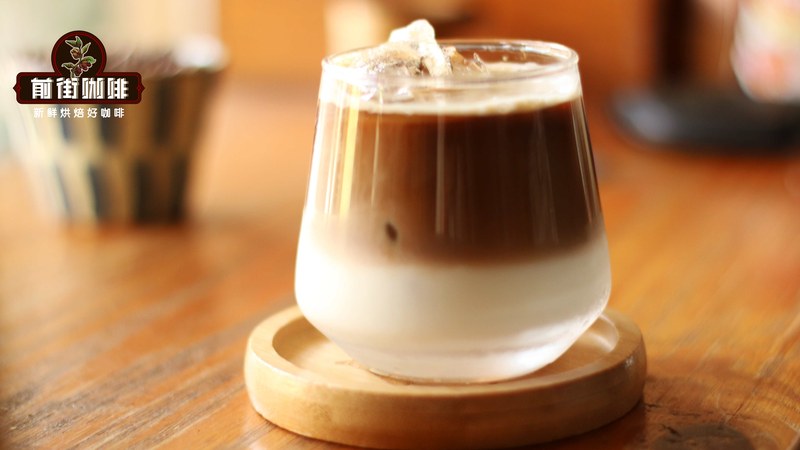
If you want to soften the acidity of this bean, adjust the coffee-to-water ratio to 1:16.5 and reduce the amplitude of circular pouring to lessen disturbance in the dripper. You can also replace part of the hot water with ice cubes to make iced pour-over: keep the total hot water at 160 to 170 g and use about 80 g ice, which makes the aroma lighter and the entry stimulation more restrained.
Beans with delicate floral notes and a clear tea-like quality are suited to slow and gentle extraction. Qianjie Panama Hacienda La Esmeralda Red Label Geisha can use 15 g coffee and 225 g water, water temperature 91 to 92°C, medium-fine grind, first pour 30 g for a 40-second bloom, then finish pouring in two stages. Bergamot, orange peel and floral notes will form clear layers, while the finish stays soft.
When brewing this kind of aroma-focused bean, it is not advisable to keep stirring the coffee bed in pursuit of strength. If it tastes like lemon water, grind slightly finer, or raise the water temperature by one degree; if the black-tea-like note becomes dry and astringent, coarsen the grind by one setting and reduce the final pour. Change only one direction each time, and the changes in the cup will be easier to judge.
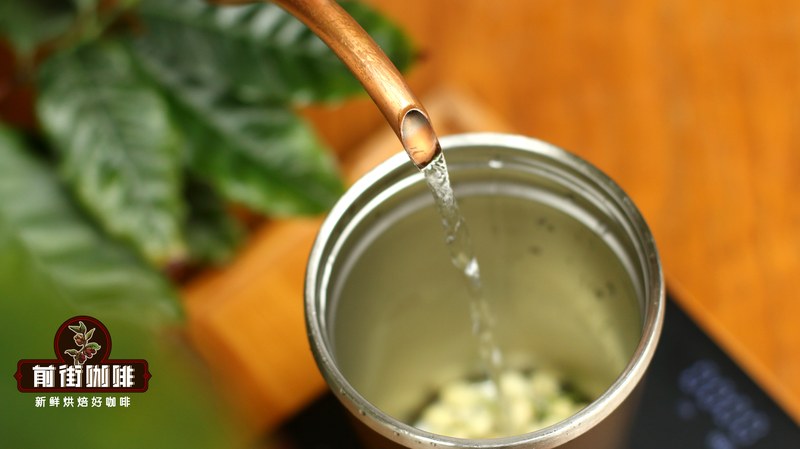
For beans with the sweet fragrance of ripe fruit, you can use a lower coffee-to-water ratio to make the flavor more concentrated. Take Qianjie Ethiopia Huakui as an example: 15 g coffee with 225 to 235 g water, brewed at 91 to 93°C, keeping a steady pouring rhythm. Aromas such as strawberry, tropical fruit and passion fruit will appear lively, suitable for hot drinking and also for adding ice cubes.
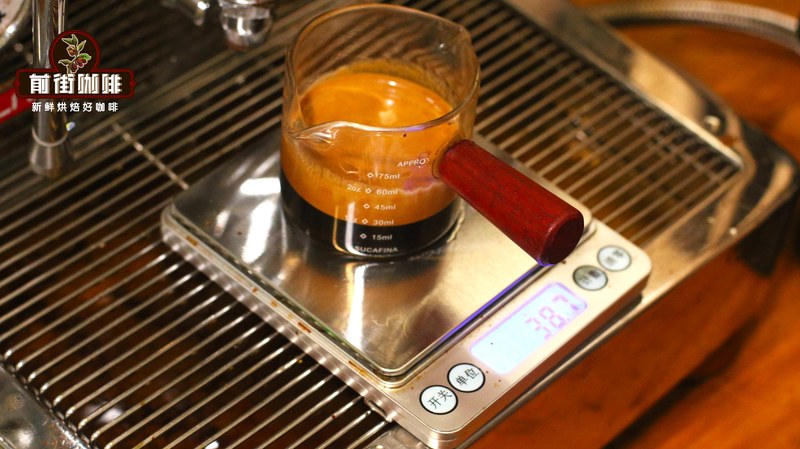
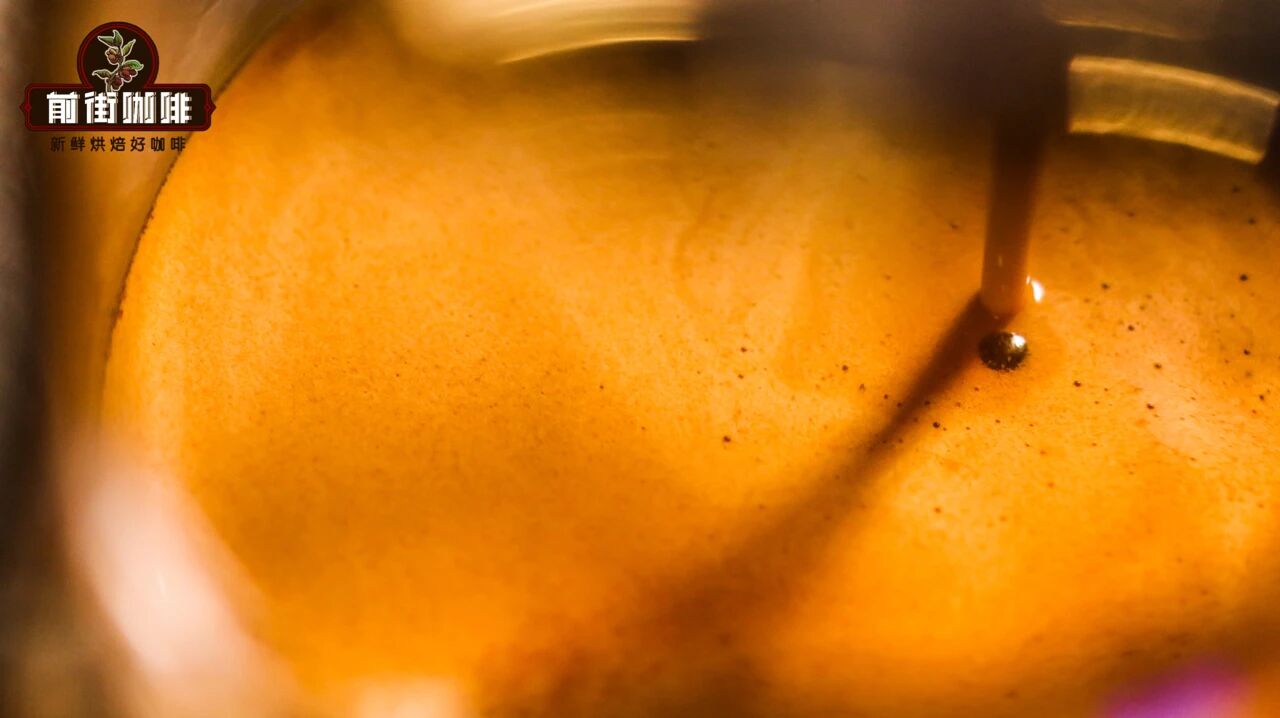
When switching to an espresso machine, decaf beans often require rearranging the espresso recipe. You can first use 16 g coffee to extract 32 to 36 g liquid, with a target time of about 25 to 32 seconds, and maintain pressure near eight to nine bar. If the beans are on the lighter side, grind finer than for dark-roasted beans, and set the water temperature at 91 to 93°C; if the liquid is thin, first grind finer, then consider increasing the dose.
A sharp sour taste in the espresso cup usually means the flow is too fast or extraction is insufficient. You can grind a little finer, or extend the yield to about 1:2.2. If obvious dry bitterness appears, shorten the liquid weight to about 1:1.8, or make the grind slightly coarser. When making espresso with decaf beans, there is no need to pursue a very large yield; a moderate liquid weight better preserves sweetness.
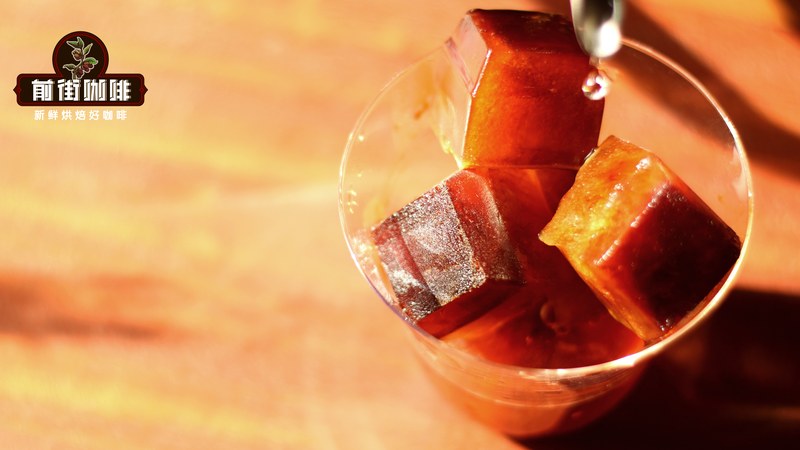
To make a decaf americano, you can first use a shorter espresso shot and then dilute it with hot water, rather than letting the coffee grounds extract for a long time. If you like floral and fruity aromas, the water amount can be two to three times the espresso; if you prefer a tea-like and refreshing taste, use more hot water and wait for the coffee temperature to drop before drinking. This way you can control your intake while preserving the beans' character.
The key to brewing low-caffeine beans is to let the parameters serve the flavor, rather than applying a fixed set of numbers. For pour-over, pay attention to water temperature, coffee-to-water ratio and flow rate; for espresso, observe pressure, grind and yield weight. First set a starting point according to the beans' aroma intensity and roast level, then fine-tune based on acidity, sweetness, bitterness and mouthfeel, and low-caffeine coffee can also have a clear and interesting expression.
Related Reading
Comments (0)
Loading comments...
You May Be Interested

Trending Reviews
Popular Videos

With you, wherever you are! We provide useful features to help you find new things you'll love






