Source:Best Coffee > News Author:qjroot Published:2024-08-29 18:21:04
Central America lies in the connecting strip between the North and South American continents. The terrain of the countries here is mainly mountains and hills, and on the Pacific side there is a volcanic belt stretching more than 1300 km. The fertile soil provided by volcanic ash has made agriculture in the region highly developed, mainly producing and exporting tropical cash crops such as bananas, coffee and sugarcane.Therefore, Central America has quite a few countries famous for growing coffee, such as Costa Rica, Panama and Guatemala, among which Guatemalan coffee is known for its high-quality high-grown strictly hard beans.
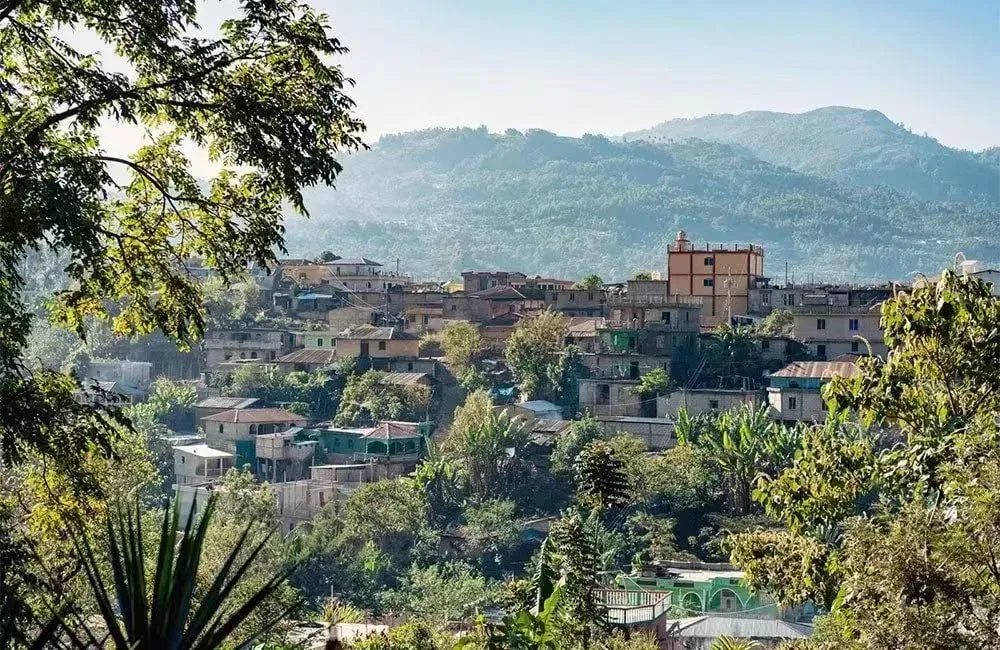
Guatemala is located in northern Central America. The north of the country is mainly tropical rainforest at relatively low altitude, so coffee is mainly grown in the central and southern parts, because the west and south belong to a volcanic belt, with about 30-plus volcanoes and several mountain ranges. Guatemala lies in the tropics, and the southern mountains have a subtropical climate, with the year mainly divided into a dry season and a wet season, but at higher altitudes the temperature is mild all year round, with abundant sunshine, and together with fertile volcanic soil, it has a high-quality environment very suitable for coffee growing.
At first, coffee was brought to Guatemala in the mid-18th century by Jesuit missionaries and planted in the city of Antigua, though at that time Guatemala mainly exported the plant dye indigo. Later, however, damage by locusts and the emergence of synthetic dyes affected indigo exports, causing Guatemala's economy to decline, so it turned to growing coffee.
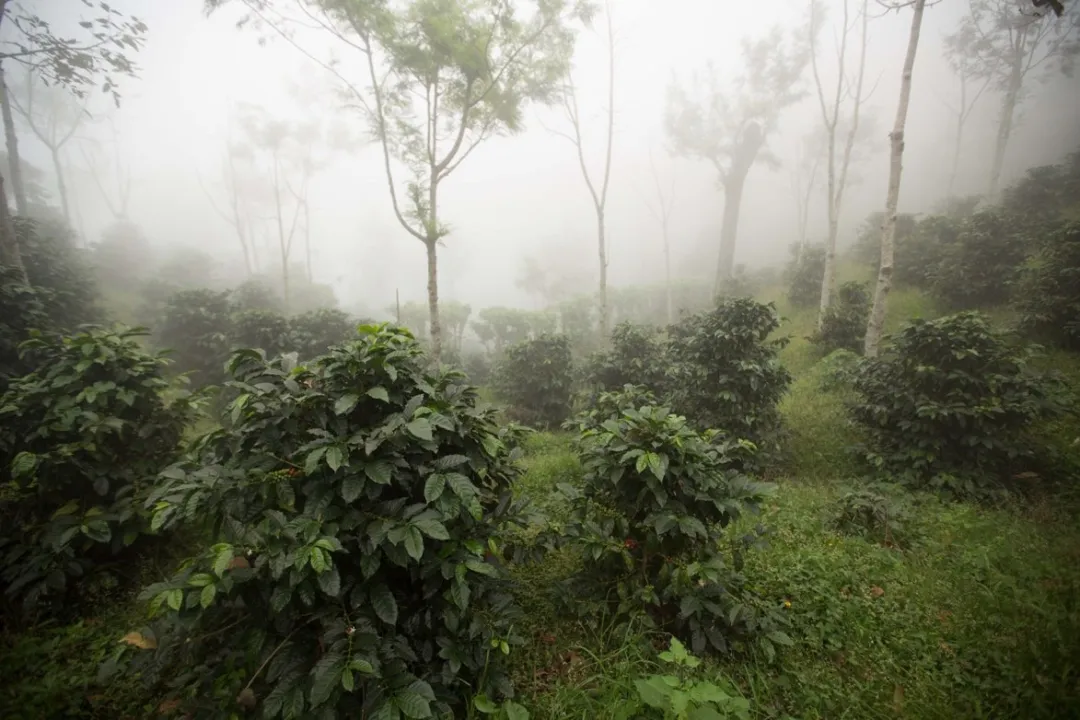
But at that time, during the Spanish colonial period, coffee estates were also in the hands of the Spanish, and the local indigenous people could only be responsible for care and harvesting work on the estates. It was then that Guatemala's coffee industry developed. By the 20th century, after Guatemala became independent, a civil war broke out, severely affecting the coffee industry. The civil war lasted until 1996 before it ended, and only then did the coffee industry begin to develop steadily.
Guatemala has a total of 22 departments, of which 20 have coffee cultivation, and they are divided into 10 coffee regions, further divided into volcanic regions and non-volcanic regions. The non-volcanic regions include Huehuetenango, Coban and Nuevo Oriente. The volcanic regions include Atitlan, Antigua, Acatenango, Fraijanes and San Marcos.
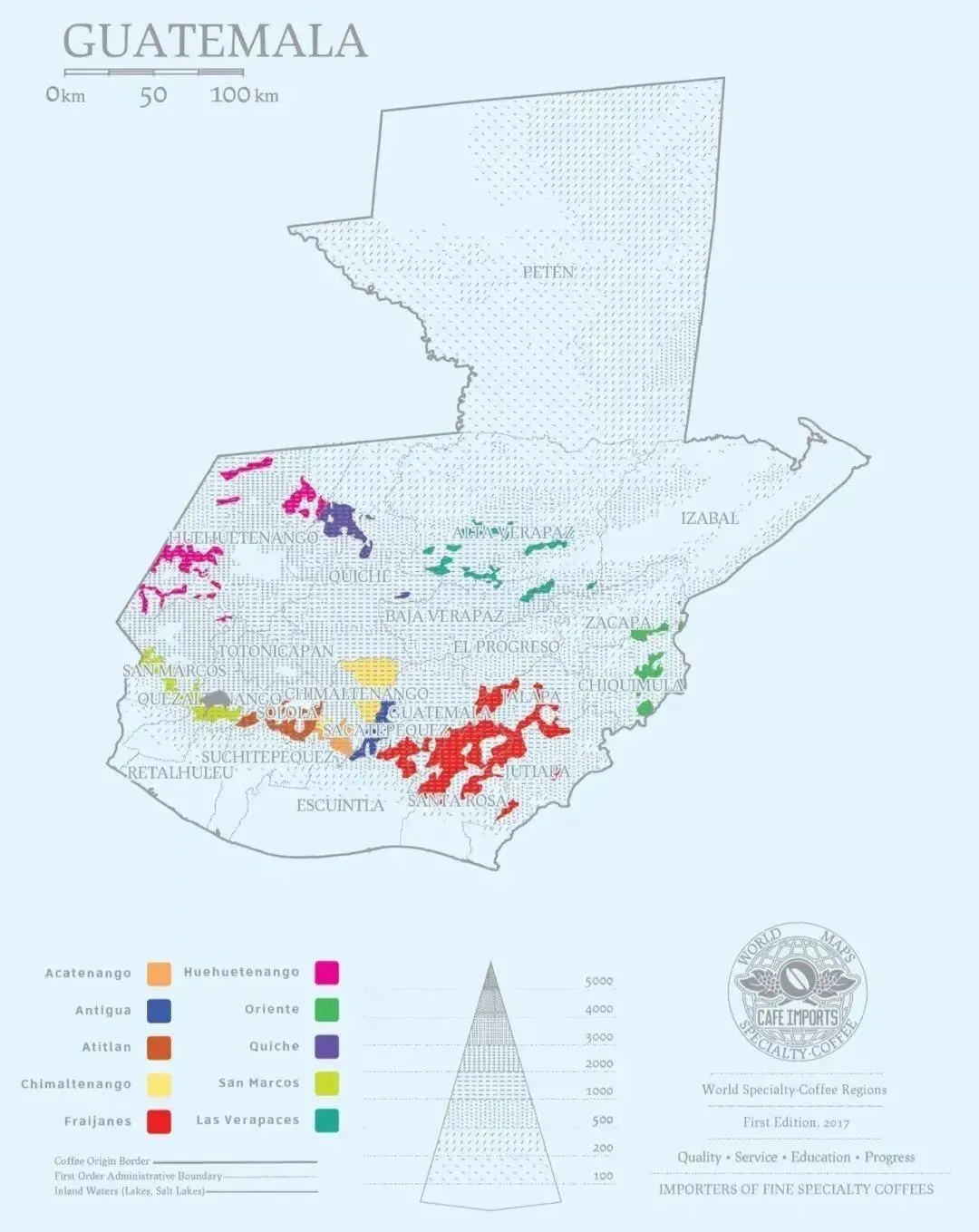
Among them, the best known is Huehuetenango. This region is located in the northwestern highlands of Guatemala, and it is home to the Cuchumatanes mountain range, making it the highest-altitude region in Guatemala, with cultivation altitudes reaching 1800-2100 m. The region also has a relatively warm and dry climate. Because a large amount of hot air from the tropical plains of Tehuantepec in Mexico blows toward this mountain range, coffee in this region is protected from frost damage even at higher altitudes. Although the climate is dry, the area has many rivers and bodies of water, and the abundant water resources are enough to support irrigation, enabling the region to cultivate high-quality coffee.
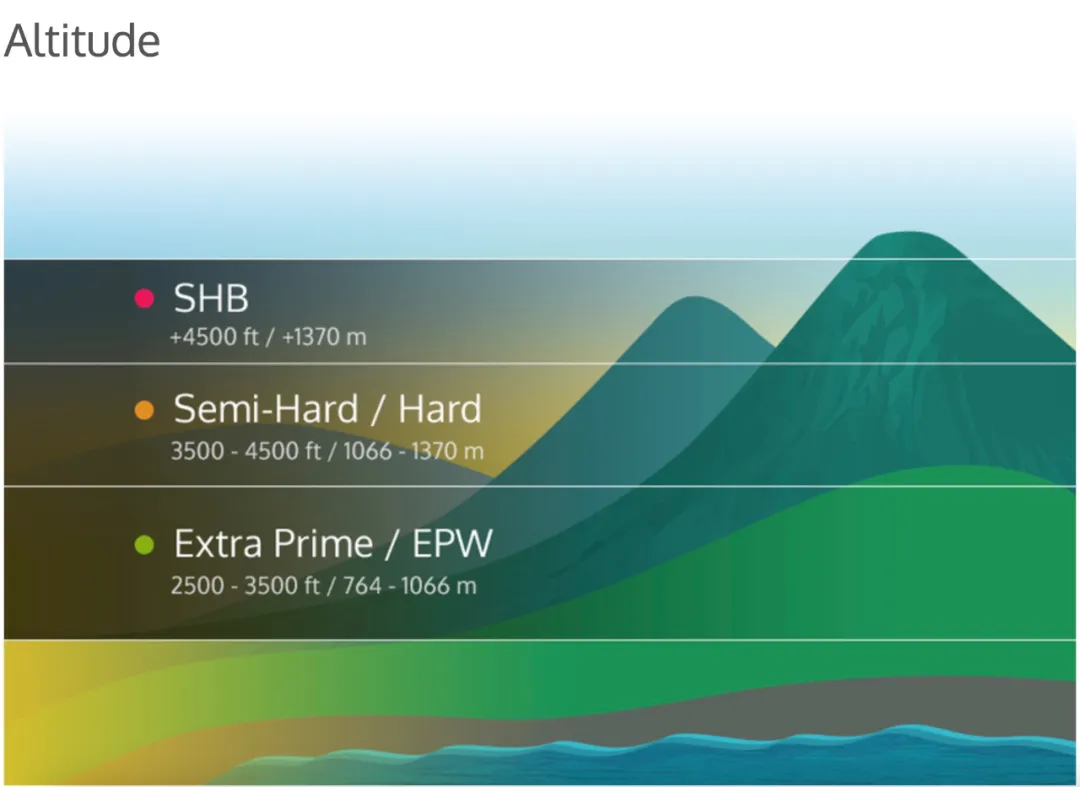
Like most Central American producing countries, Guatemala uses altitude as the main criterion for grading, but Guatemala has multiple versions of altitude grading standards, and even the standards for each region differ. According to the general version published by the Guatemalan National Coffee Association (ANACAFE), it is divided into SHB (STRICTLY HARD BEAN, altitude above 1370 m), SEMI-HARD/HARD (altitude 1066-1370 m), and EPW (EXTRA PRIME WASHED, altitude below 1066 m).
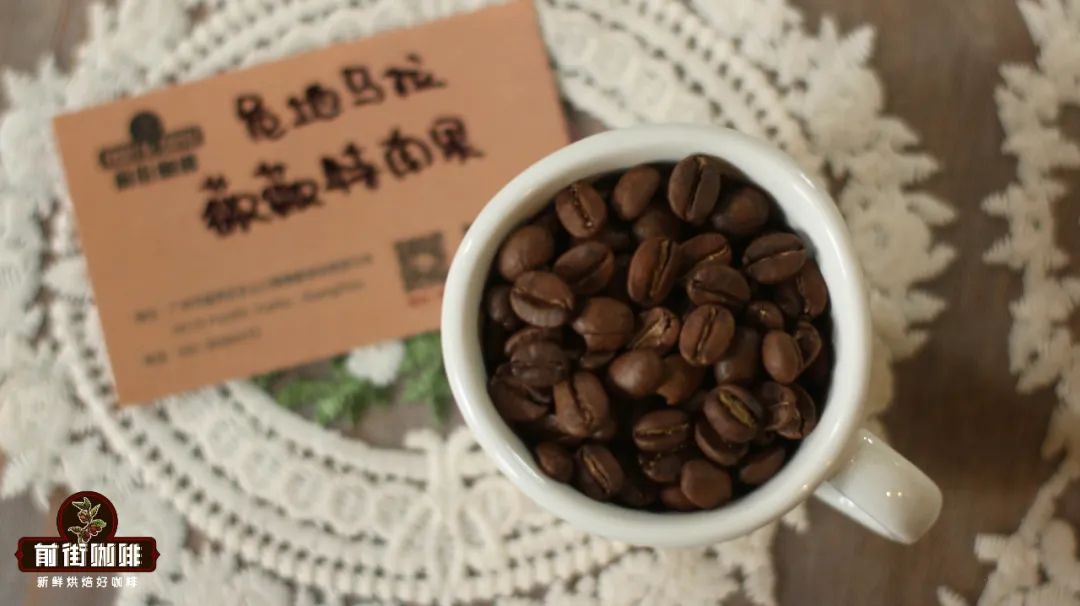
FrontStreet Coffee's everyday bean series also includes this well-known origin. This entry-level selected Huehuetenango coffee bean is made from Bourbon, Catuai and Caturra varieties, using the washed processing method; after re-brewing it has a slight fruity acidity, with citrus, berry and nut flavors, a soft mouthfeel, and a tea-like finish.FrontStreet Coffee believes that coffee beans produced in Huehuetenango, Guatemala have a typical extremely hard bean flavor; although the overall flavor is not balanced enough and the floral and fruity notes are weak, its soft fruity acidity combined with nutty flavors can express the regional flavor of Guatemala and Central and North America.
To learn more about coffee origins, please scan the QR code to follow: Kaping
Long-press the QR code to follow:

Related Reading



Comments (0)
Loading comments...
You May Be Interested
2019-07-31


Trending Reviews
Popular Videos

With you, wherever you are! We provide useful features to help you find new things you'll love






