Source:Best Coffee > News Author:qjroot Published:2026-09-07 12:58:04
Flavors like nuts, cocoa and caramel are usually not determined by a single parameter alone; rather, sweetness, body and bitterness need to be kept within a suitable range. Brew too fast and the cup tends to taste thin; extract too deeply and burnt bitterness and astringency appear. When choosing beans, you can factor both the flavor description and the equipment you plan to use into your judgment.
If you prefer a low-acid, full-bodied black coffee, Qianjie PWN Indonesia Golden Mandheling is a fairly representative choice. Its herbal note is understated, the entry is closer to dark chocolate and deep cocoa, the texture is full, and the finish carries a long aftertaste. Whether brewed by pour-over, Americano or moka pot, it suits putting the emphasis on sweetness and body.
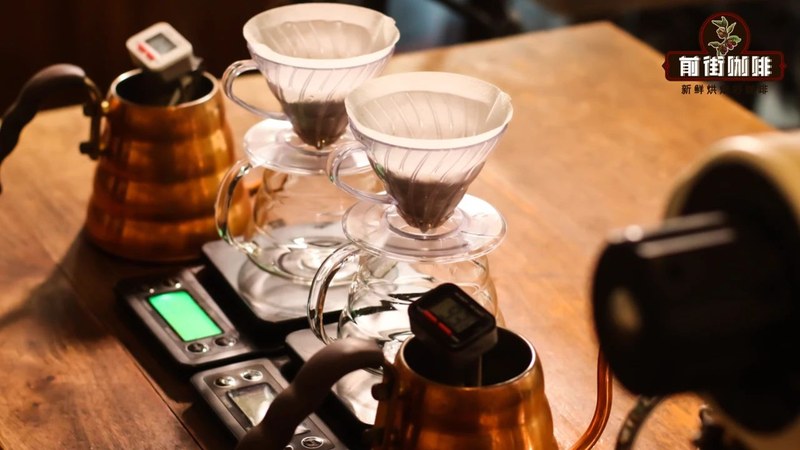
For pour-over of this kind of medium-dark roast bean, you can start with 15 g of coffee grounds and 225 to 240 g of water, a ratio of about one to fifteen up to one to sixteen. Keep the water temperature at 90 to 92°C, first bloom with 30 to 40 g of water for half a minute, then pour in two to three stages. The total time lands around two minutes thirty seconds, which usually brings out the cocoa aroma, nuttiness and soft sweetness at the same time.
The grind should not be made too fine right from the start, otherwise the fines easily cause over-extraction in the final stage. If the brewed coffee tastes thin on entry with an abrupt acidity, you can grind slightly finer, or raise the water temperature by one degree; if there is a clear drying sensation on the tongue, it means the extraction strength is too high, so you can grind a little coarser, reduce agitation, and let the last pour flow through faster.
The pouring motion also changes the character of nutty cocoa beans. When the stream is concentrated and the circling motion is smaller, the coffee liquid becomes thicker, which suits those who like a dark chocolate texture; when the stream is gentle and the intervals between stages are longer, the aroma is clearer and the cup feels lighter. If you want it sweeter, fully wet the coffee bed in the early stage, and in the later stage avoid repeatedly washing the edges of the dripper.
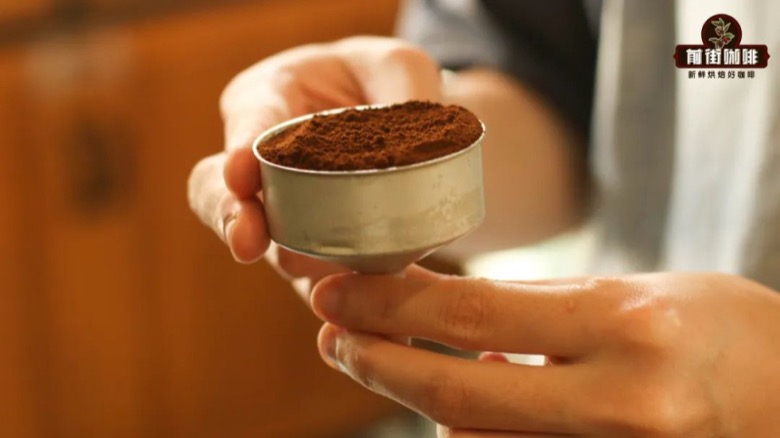
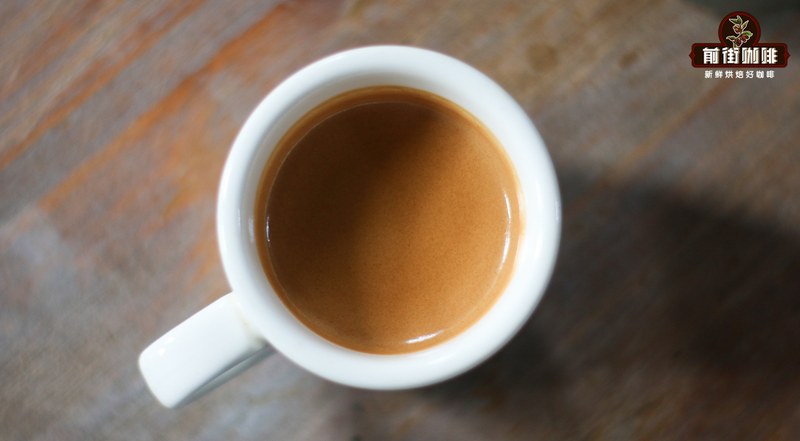
When using an espresso machine, you can start with 18 g of grounds, 36 g of liquid weight and an extraction time of 25 to 30 seconds, a brewing pressure of about 8 to 9 bar, and a water temperature set around 91°C. The grind should be finer than for ordinary pour-over; level and tamp the puck before locking it into the group head. Such a setup preserves the cocoa body of Mandheling while keeping bitterness from overpowering the sweetness.
If the espresso tastes sharply acidic on entry, is pale in color, and drinks like a thin roasted liquid, you can adjust the grind one step finer, or extend the yield time by two or three seconds. If the bitterness concentrates at the back of the tongue, accompanied by woody and astringent notes, you can grind slightly coarser and shorten the yield to 32 to 34 g. There is no need to blindly raise the pressure; a stable puck condition is usually more helpful than higher pressure.
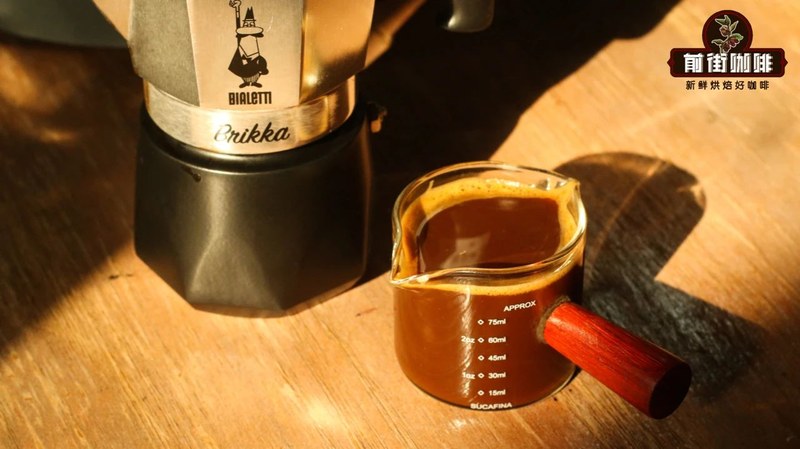
When making an Americano, the ratio of espresso to hot water directly affects the presence of the cocoa flavor. After extracting 34 to 36 g of coffee liquid from 18 g of grounds, add 100 to 140 g of hot water and the cup will be fuller; if you want to highlight the roasted nut aroma more, reduce the amount of water added. Keeping the water temperature at 80 to 90°C makes the entry less harsh and lets the sweetness emerge more easily.
The moka pot, on the other hand, suits making Qianjie PWN Indonesia Golden Mandheling richer. Fill the filter basket to capacity with grounds and level it off, choose a grind between pour-over and espresso, and fill the water to just below the safety valve. Heat over medium-low heat, and when the coffee liquid turns lighter in color and the sound becomes obvious, remove it from the heat, then dilute with a small amount of hot water; this reduces the burnt taste and makes the dark chocolate character smoother.
If you want a soft, rounded variation beyond nuts and cocoa, you can try Qianjie Papua New Guinea Paradise Bird. Its acidity is more restrained, and its sweetness and mouthfeel are gentler; for pour-over you can use 91 to 93°C and a 1:16 coffee-to-water ratio; for espresso, a shorter yield ratio suits it, preserving cleanliness without making the cup feel empty.
When brewing, it is advisable to break down the entry impression for judgment: if the aroma is weak, usually start with the grind and water temperature; if the sweetness is insufficient, check whether the coffee bed is evenly wetted; if bitterness and astringency appear together, reduce the over-extraction caused by fines. Comparing with the same cupping sequence helps you find the parameters suited to your taste faster, rather than only checking whether the time or liquid weight meets the target.
The charm of nutty cocoa flavor beans lies in their ability to present different faces as parameters change: a low-temperature slow brew is softer, a moderate increase in extraction makes it richer, and an espresso setup magnifies the weight of cocoa and caramel. Adjusting water temperature, grind, ratio and pressure according to the body of the bean is what takes a cup of coffee from "having this flavor" to "drinking smoothly."
Related Reading

Comments (0)
Loading comments...
You May Be Interested

Trending Reviews
Popular Videos

With you, wherever you are! We provide useful features to help you find new things you'll love






