Source:Best Coffee > News Author:qjroot Published:2024-07-15 18:28:43
According to local Indonesian media reports, Indonesia has been continuously affected by severe weather recently, with heavy rainfall and landslides causing multiple casualties and impacting several industries in the country.According to the Indonesian National Disaster Management Agency, on local time July 14, due to the impact of heavy rainfall, a landslide occurred in Mimika Regency, Central Papua Province, Indonesia, which has so far caused a total of 7 deaths, including 5 adults and 2 children.
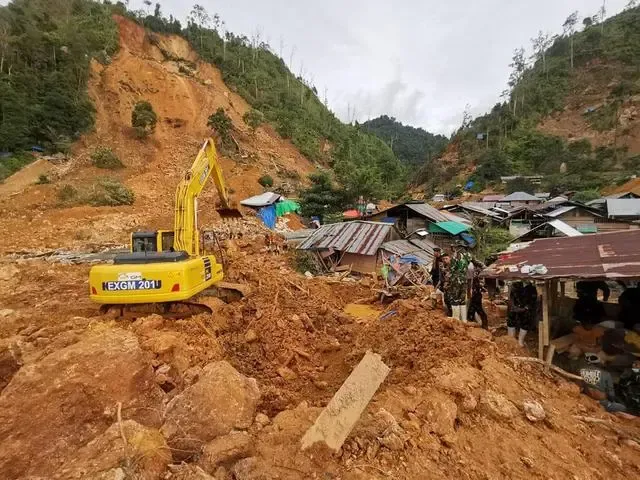
Earlier, on July 6, flash floods and landslides triggered by heavy rain struck a gold mine in Bone Bolango Regency, Gorontalo Province, causing the miners' camp to be swept away by the floodwaters. According to Indonesian search and rescue officials on July 13, the landslide event in the province caused a total of 27 deaths, with 15 others missing and 283 rescued.
The recent heavy rainfall in the Jakarta area has caused multiple communities to be flooded. Due to extreme rainfall, floods and landslides occurred in Ambon, the capital of Maluku Province. The city announced that starting from July 6, it entered a 14-day disaster alert status. On 7, a flood disaster occurred in Cirebon Regency, West Java Province, severely disrupting and affecting the lives of thousands of residents. The prolonged heavy rainfall also caused several rivers to overflow.
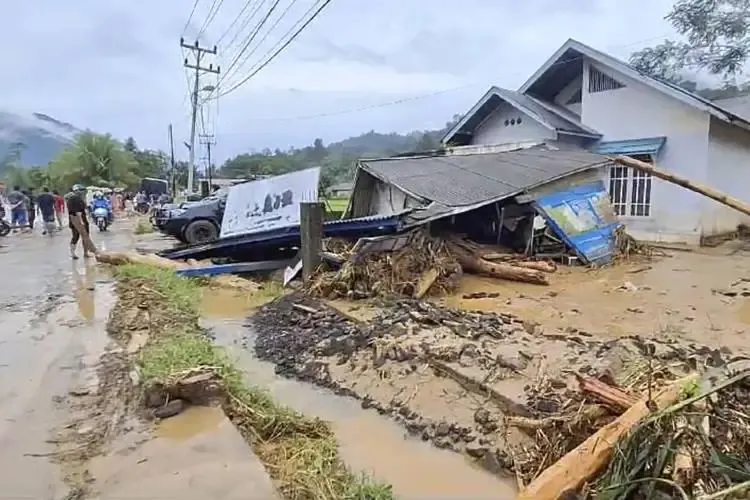
In addition, according to information released by Indonesia's Meteorology, Climatology and Geophysics Agency,due to abnormal atmospheric phenomena,starting from July 9, Indonesia's Sumatra, Kalimantan, Sulawesi and Papua regions may face heavy rain, and the meteorological agency reminds the public to take precautions against thunderstorms and disasters such as floods.
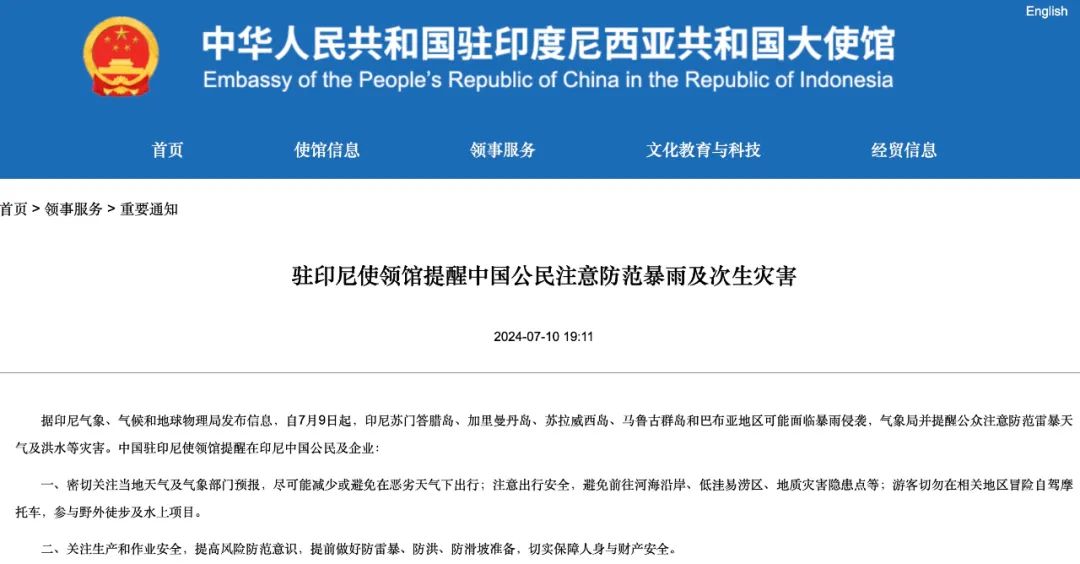
Furthermore, the Chinese Embassy in Indonesia has also issued a notice reminding Chinese citizens and enterprises in Indonesia to pay close attention to local weather and forecasts from the meteorological agency, avoid traveling in severe weather as much as possible, avoid high-risk areas, and prepare in advance for thunderstorm, flood and landslide prevention.
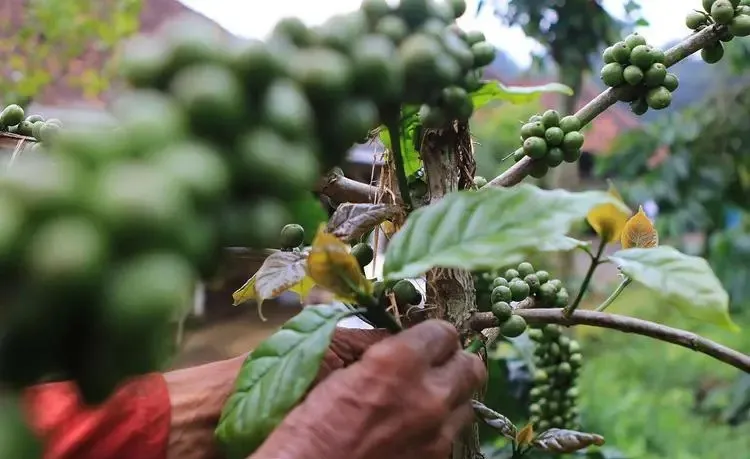
This disaster event has likewise harmed Indonesia's coffee industry. Among the areas where these landslides occurred, Papua Province also grows coffee, mainly the Robusta variety. Meanwhile, Sumatra, Sulawesi and the Papua region, which may next face heavy rainfall, are all major coffee-growing areas in the country.Originally, most parts of Indonesia reach the peak of the dry season in 7 and 8, and Indonesia's dry season, which in past years saw relatively little rain, has this year been marked by unrelenting heavy rainfall.
At present, Sulawesi and the Papua region are in the coffee harvest season, and Sumatra is about to enter its coffee harvest season. Heavy rainfall will hinder the progress of the coffee harvest, and will also knock down some nearly ripe or already ripe cherries, reducing yields. Moreover, torrential rain may bring secondary disasters to areas where landslides have already occurred.
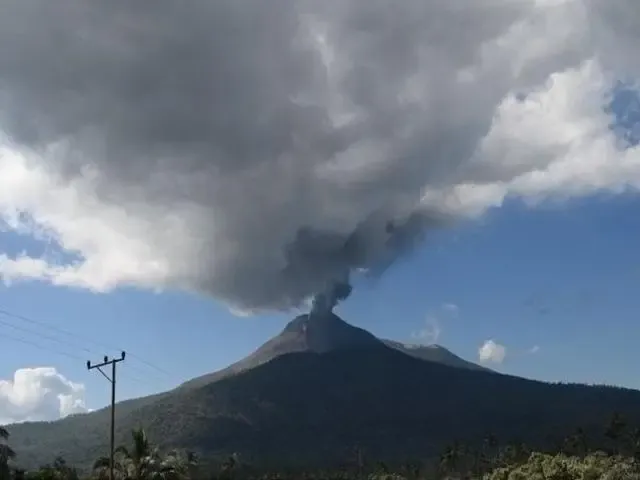
Since the start of this year, Indonesia has been hit by a series of natural disasters including floods, landslides and volcanic eruptions, and this year's coffee output does not look promising. In addition, the Indonesian currency is currently depreciating, with the rupiah having fallen 5.9% so far this year. Although currency depreciation helps exports of commodities such as coffee, it also increases the competitiveness of Indonesia's tourism industry, and the growth of tourism has in turn increased Indonesia's domestic coffee consumption, ultimately reducing the volume of coffee available for export.
In addition, recently the vice chairman of the Vietnam Coffee Association said that this year's drought has caused a severe reduction in Vietnam's coffee production, but the upcoming La Nina phenomenon will further worsen Vietnam's coffee-growing regions, so in the short term Vietnam's coffee exports will not improve very noticeably, and this situation may last until December this year.
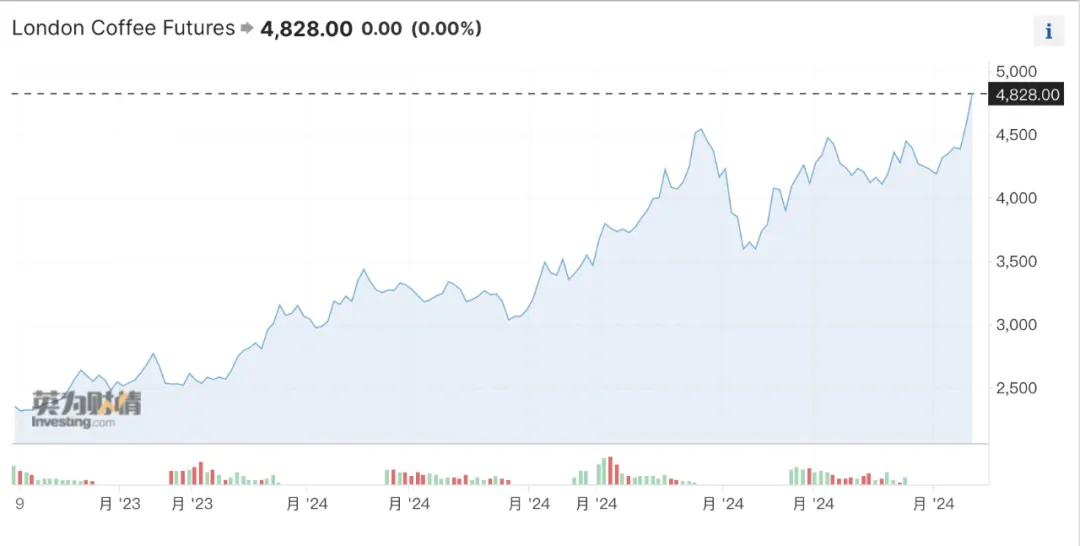
At present, Vietnam and Indonesia will see reduced production and lower export volumes, while Brazil's Robusta production will also decrease, supply is tight, so for the time being the international price of Robusta remains high.
Related Reading



Comments (0)
Loading comments...
You May Be Interested






Trending Reviews
Popular Videos

With you, wherever you are! We provide useful features to help you find new things you'll love






